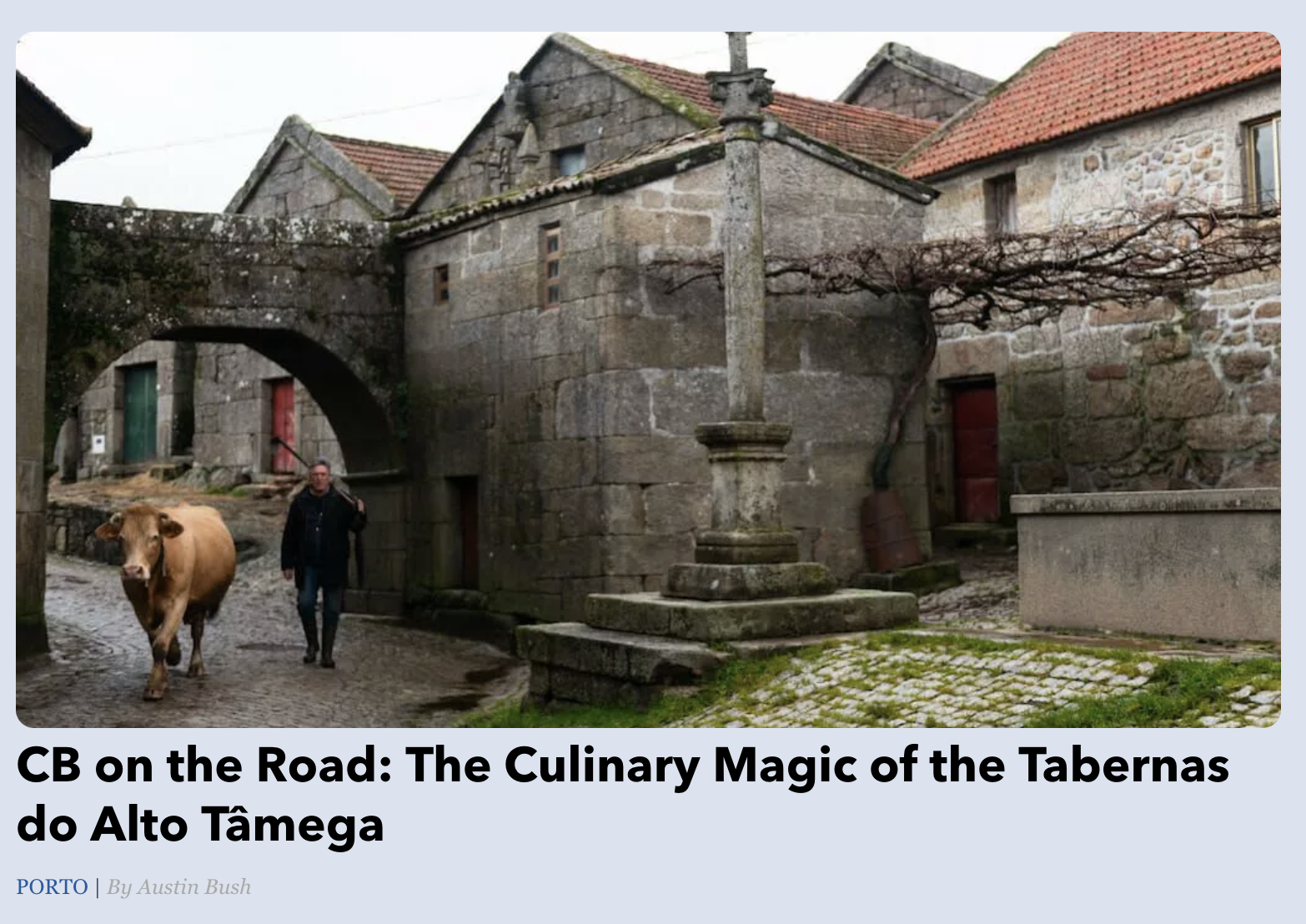
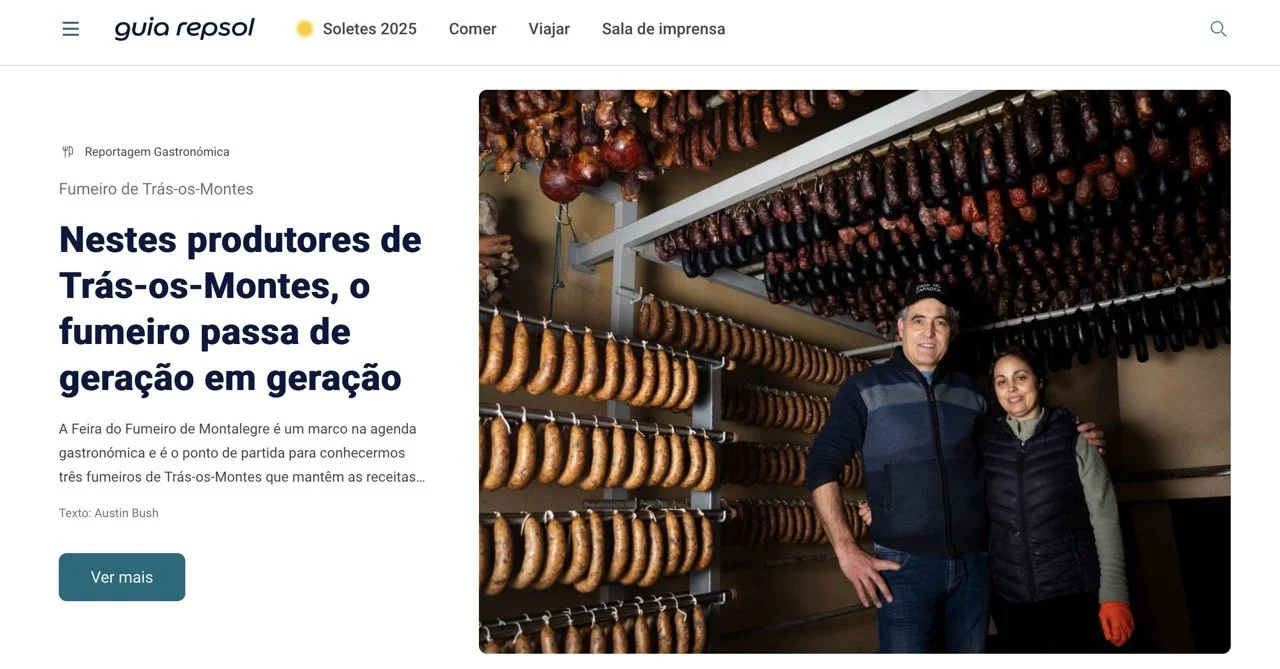
Click here to see this article: “Nestes produtores de Trás-os-Montes, o fumeiro passa de geração em geração,” words & photos, Guia Repsol Portugal
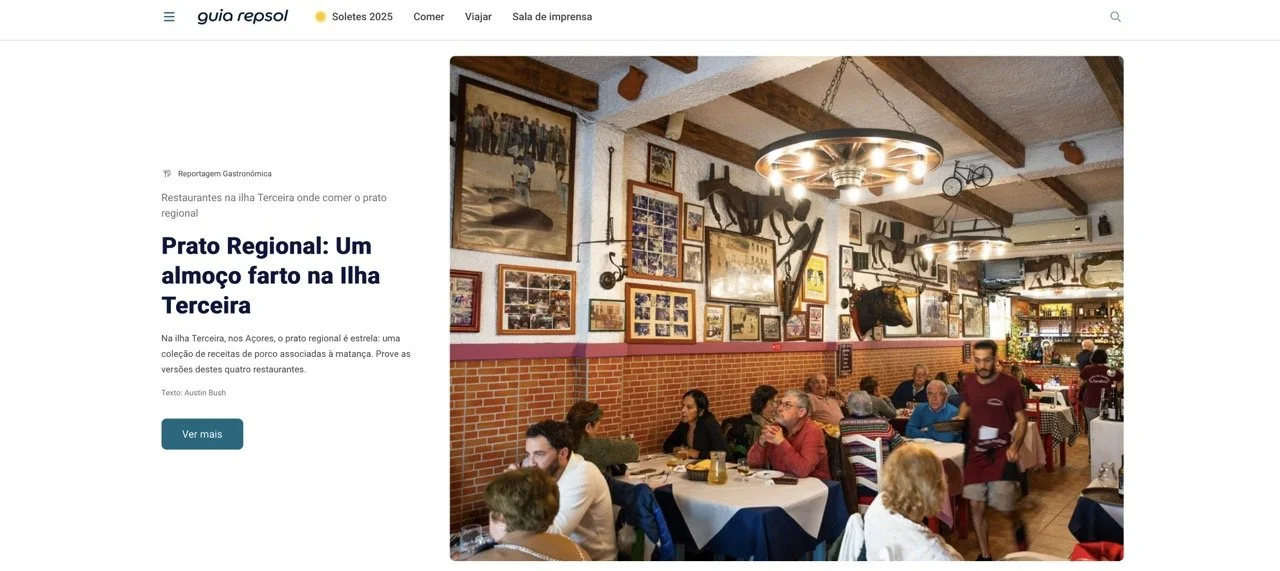
Click here to see this article: “Prato Regional: Um almoço farto na Ilha Terceira,” words & photos, Guia Respsol Portugal
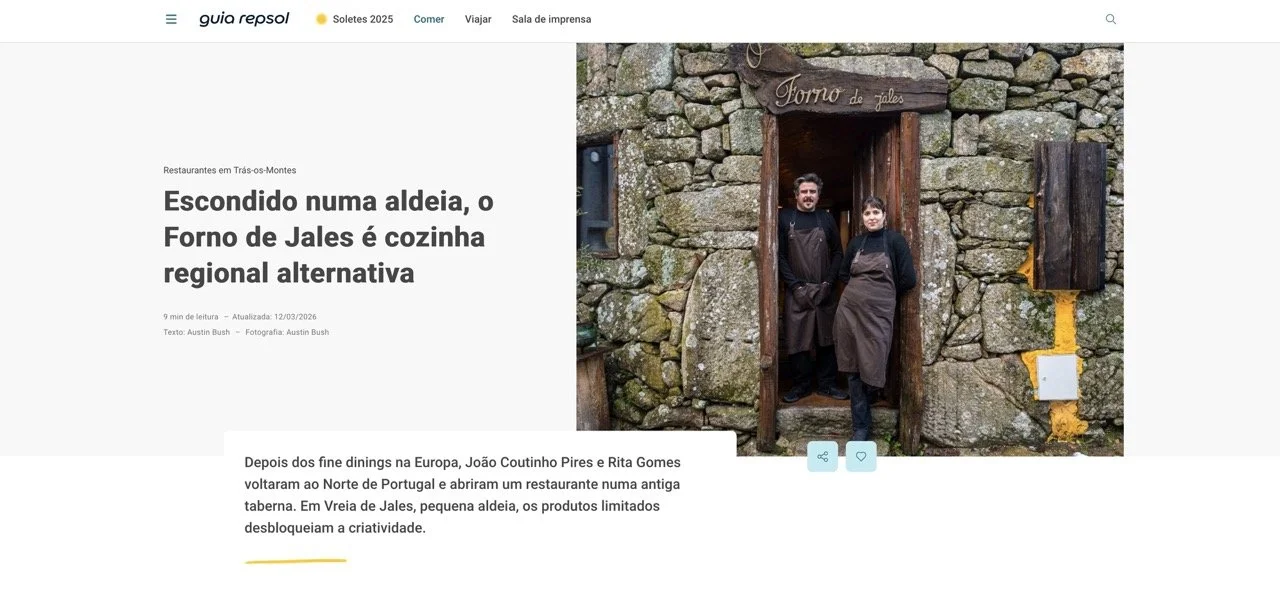
Click here to see this article: “Escondido numa aldeia, o Forno de Jales é cozinha regional alternativa,” words & photos, Guia Repsol Portugal
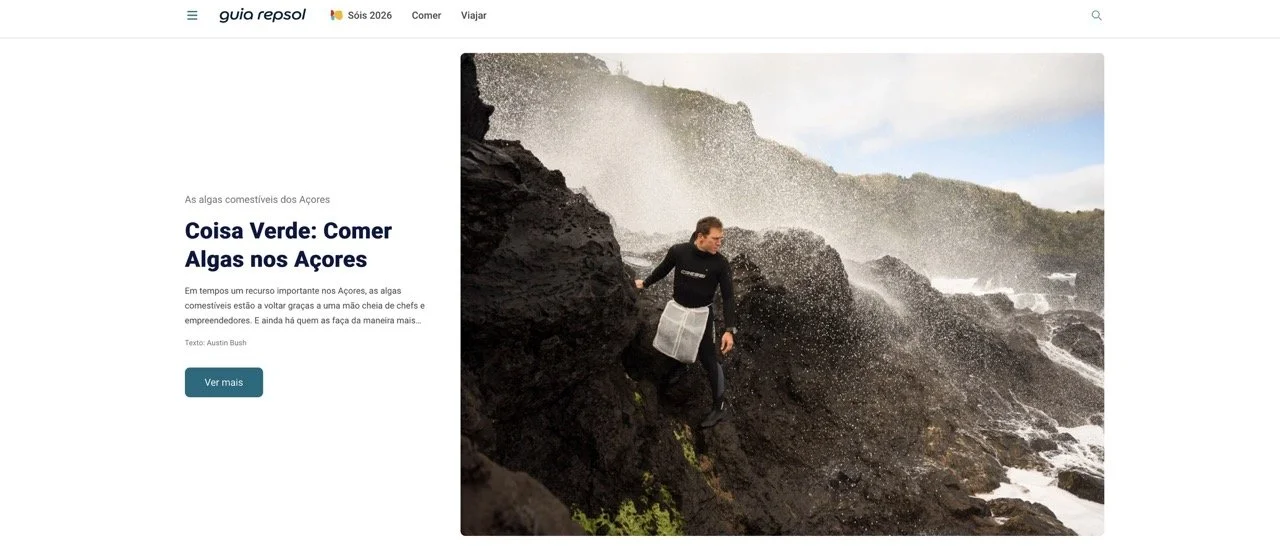
Click here to see this article: “Coisa Verde: Comer Algas nos Açores,” text & photos, Guia Repsol Portugal
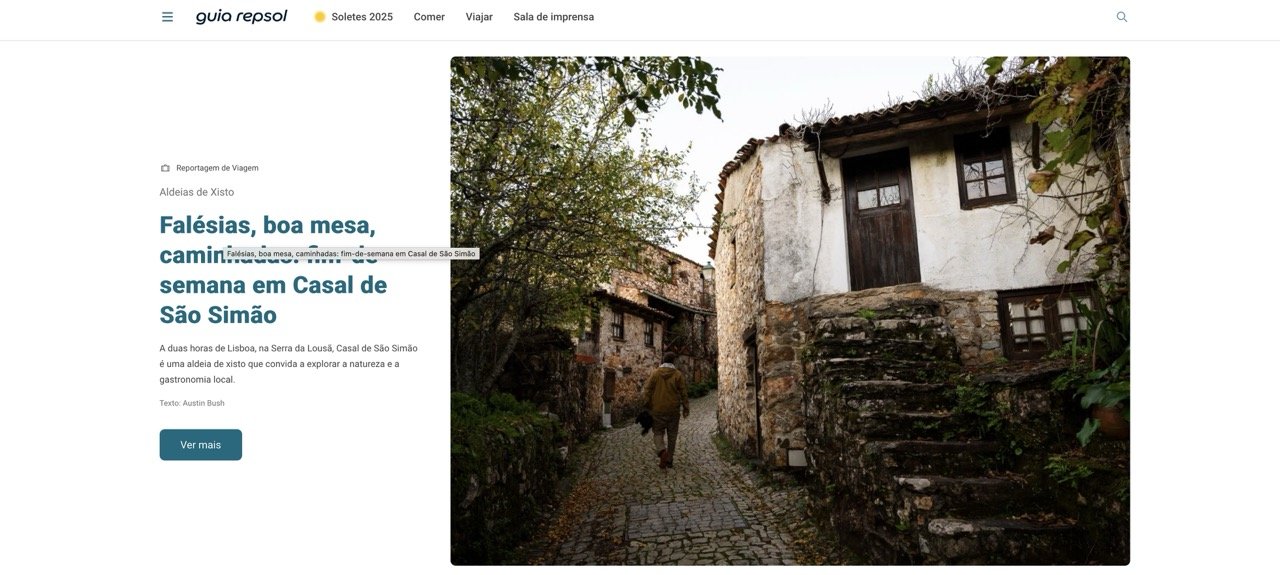
Click here to read the article: “Falésias, boa mesa, caminhadas: fim-de-semana em Casal de São Simão,” text & photos, Guia Repsol Portugal
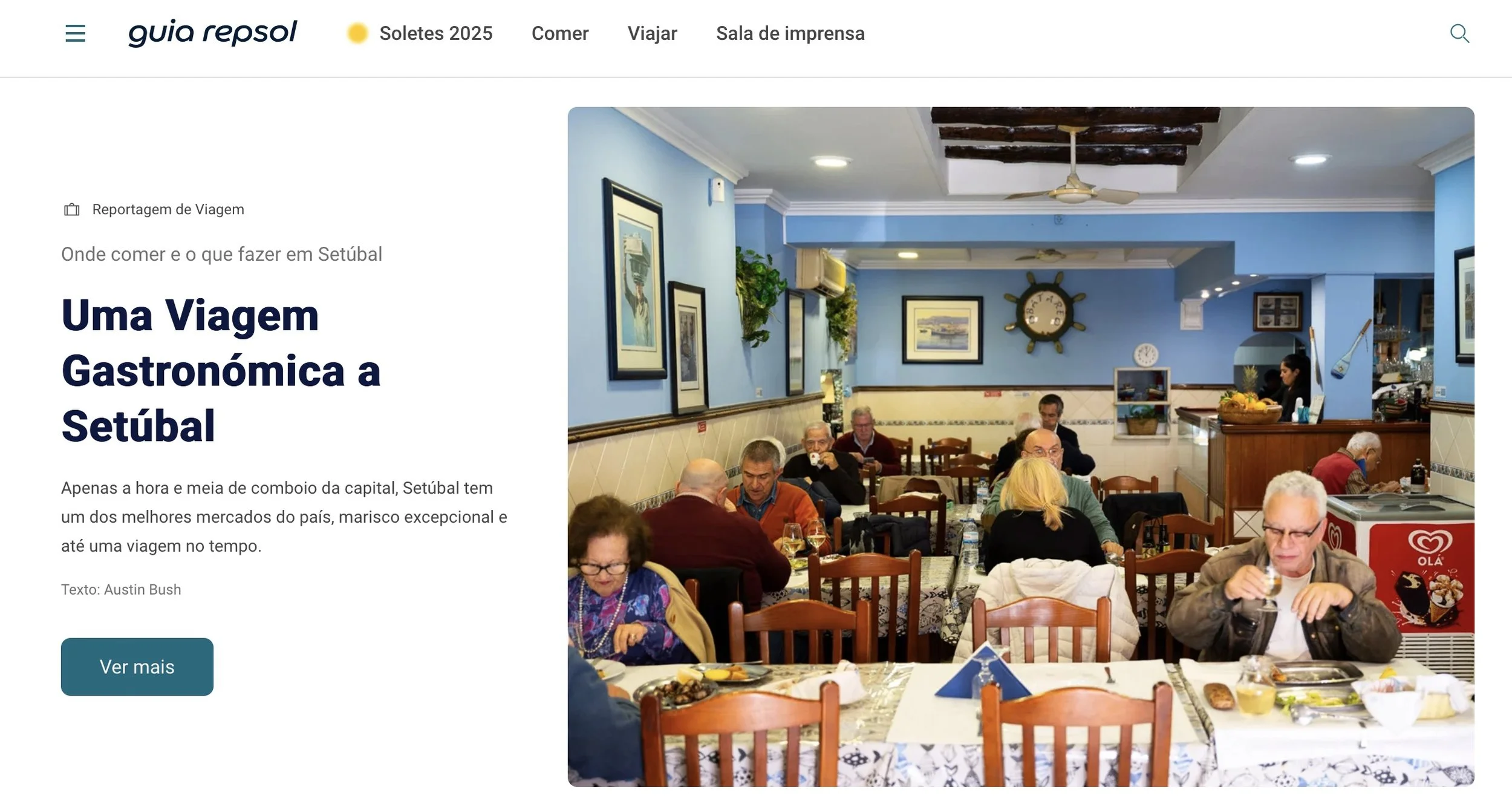
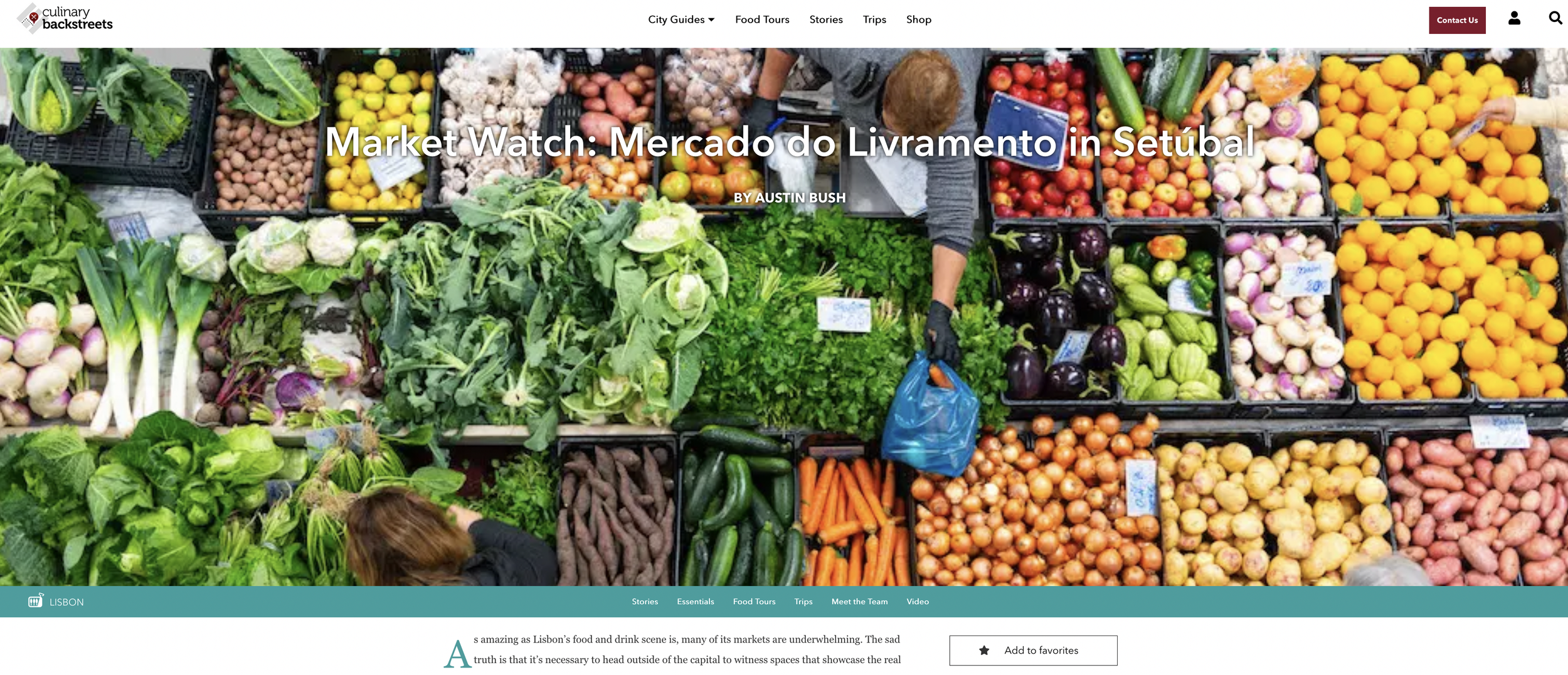
Click here to see this article: “Uma Viagem Gastronómica a Setúbal,” text & photos, Guia Respol Portugal
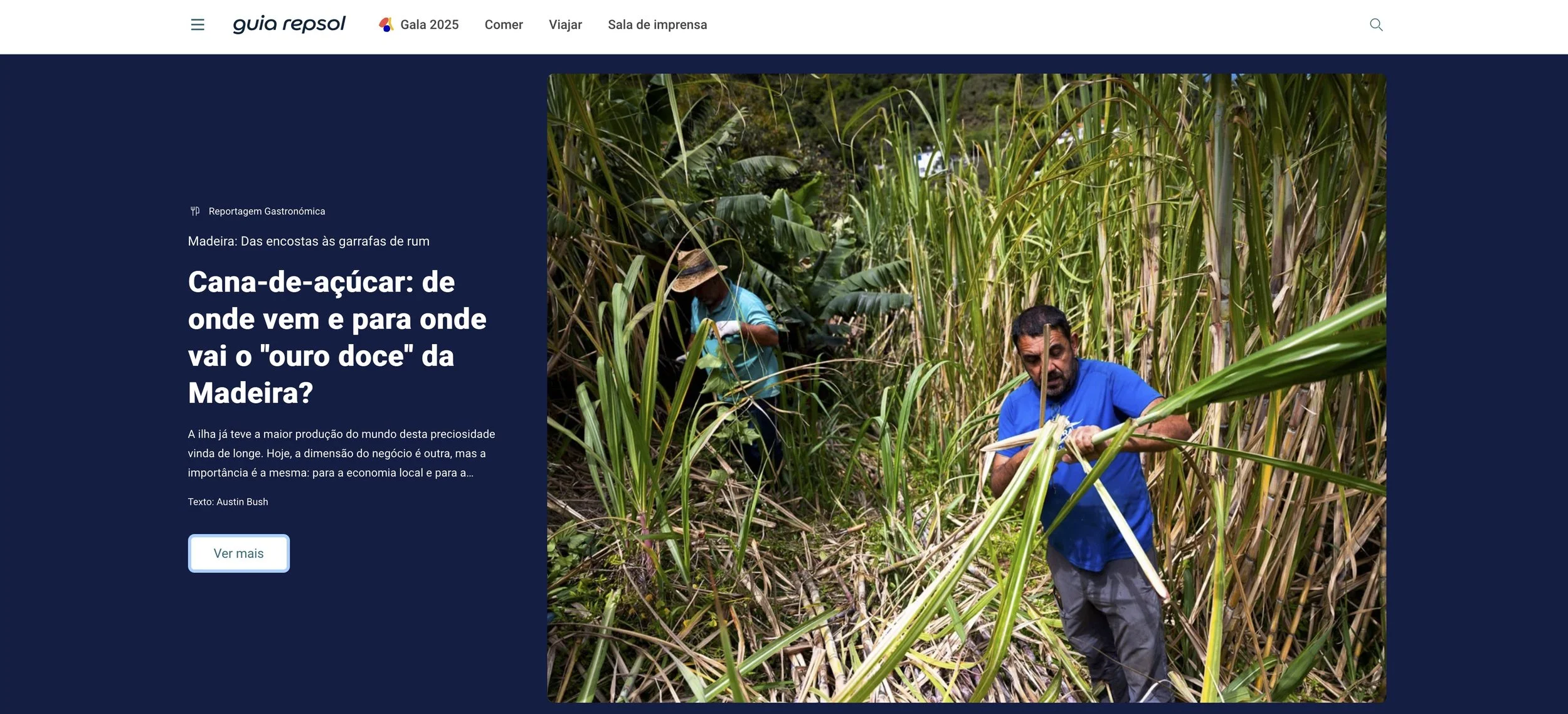
Click here to see this article: "Cana-de-açúcar: de onde vem e para onde vai o 'ouro doce' da Madeira?" text & photos, Guia Respol Portugal

Click here to see this article: “This Tiny Region Is the 'Las Vegas of Asia’—and It’s Also a Foodie Paradise,” text, Travel + Leisure
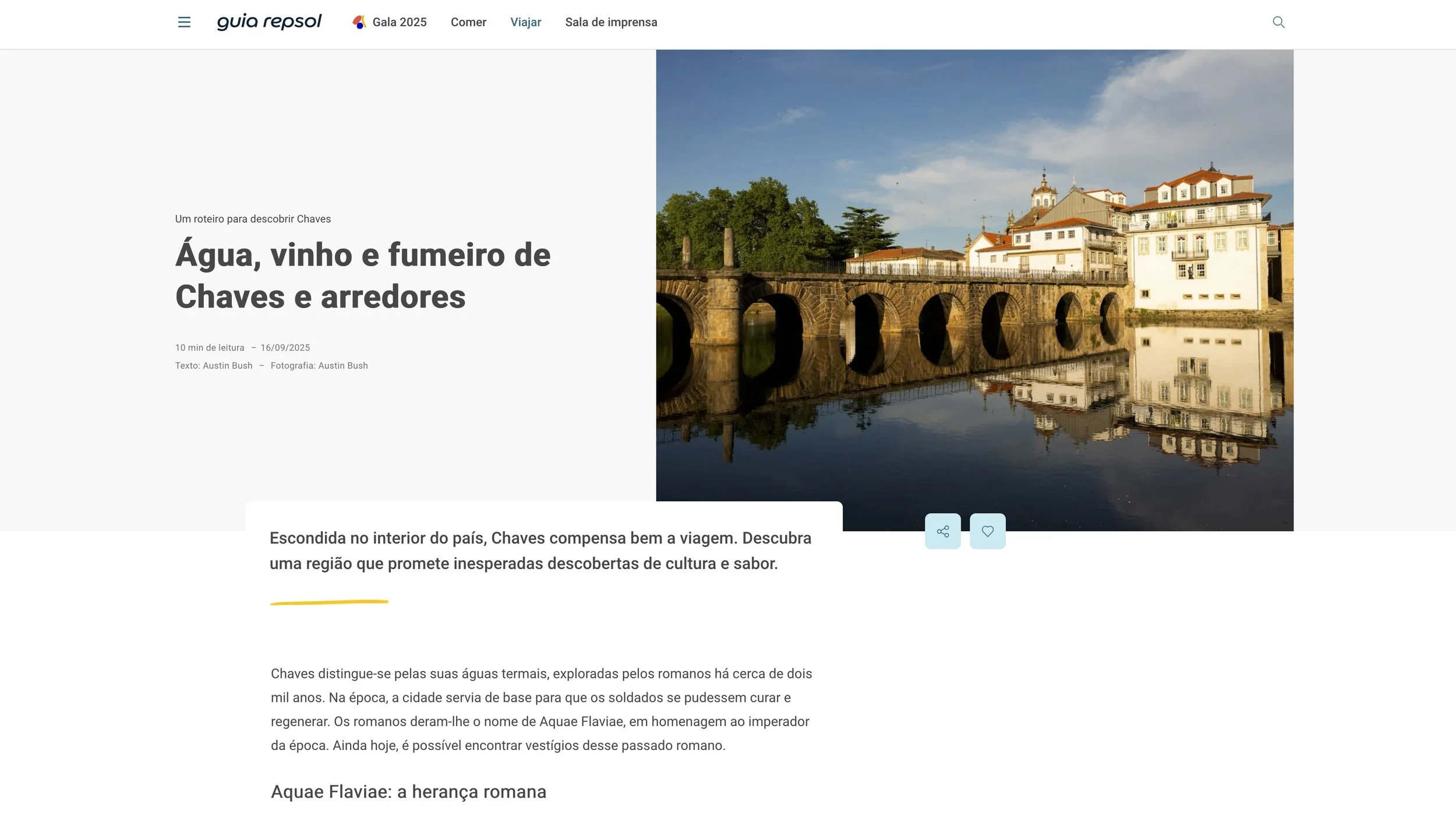
Click here to see this article: “Água, vinho e fumeiro de Chaves e arredores,” text & photos, Guia Repsol Portugal
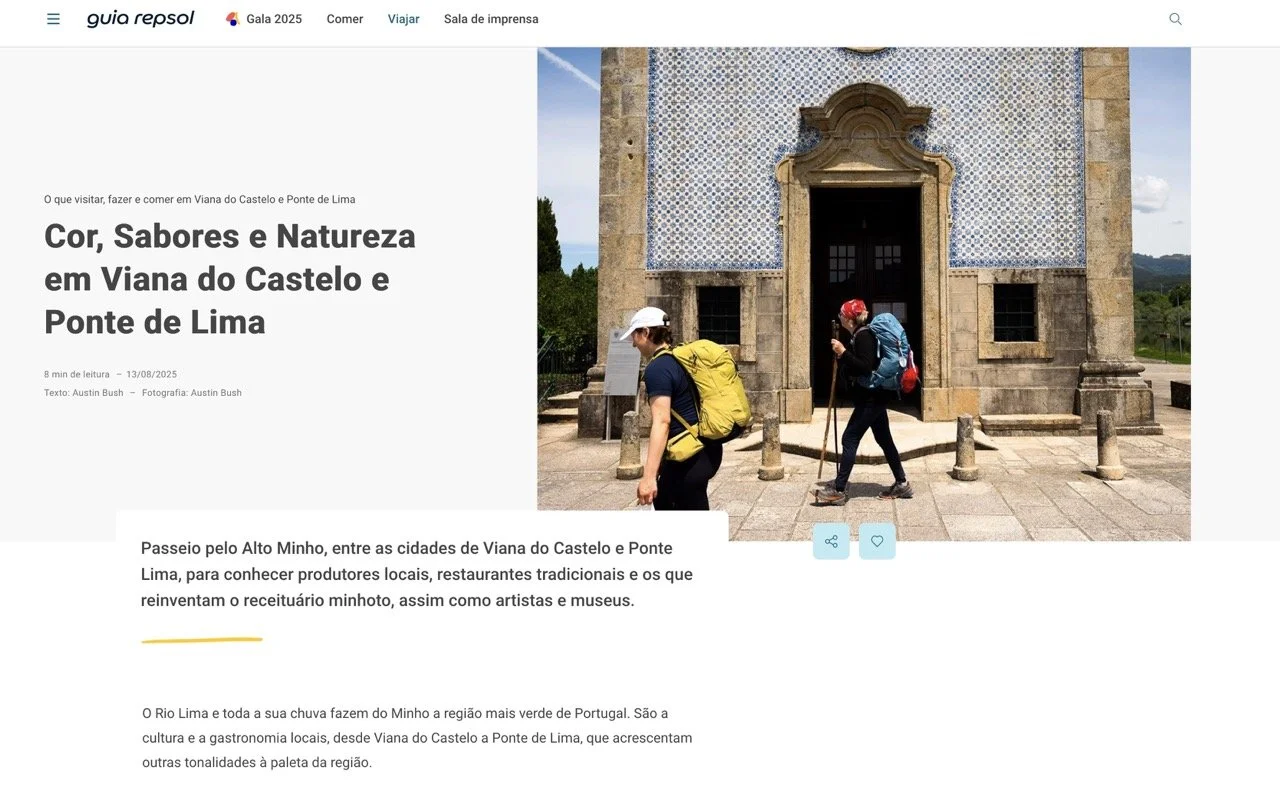
Click here to see this article: “Cor, Sabores e Natureza em Viana do Castelo e Ponte de Lima,” text & photos, Guia Repsol (Portugal)

Click here to see this article: “The Fantastic, Fading Retro Diners of Hong Kong,” text, Gastro Obscura
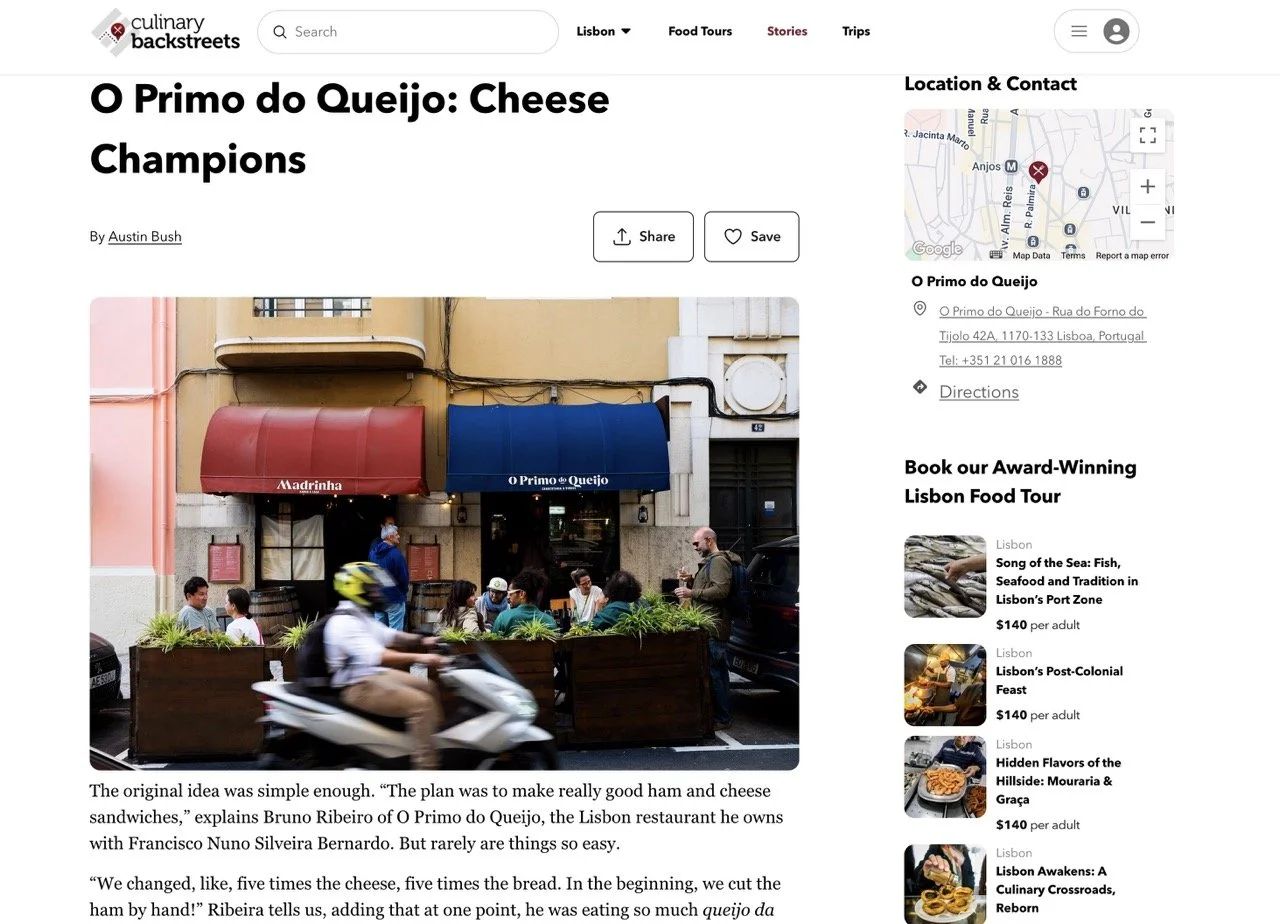
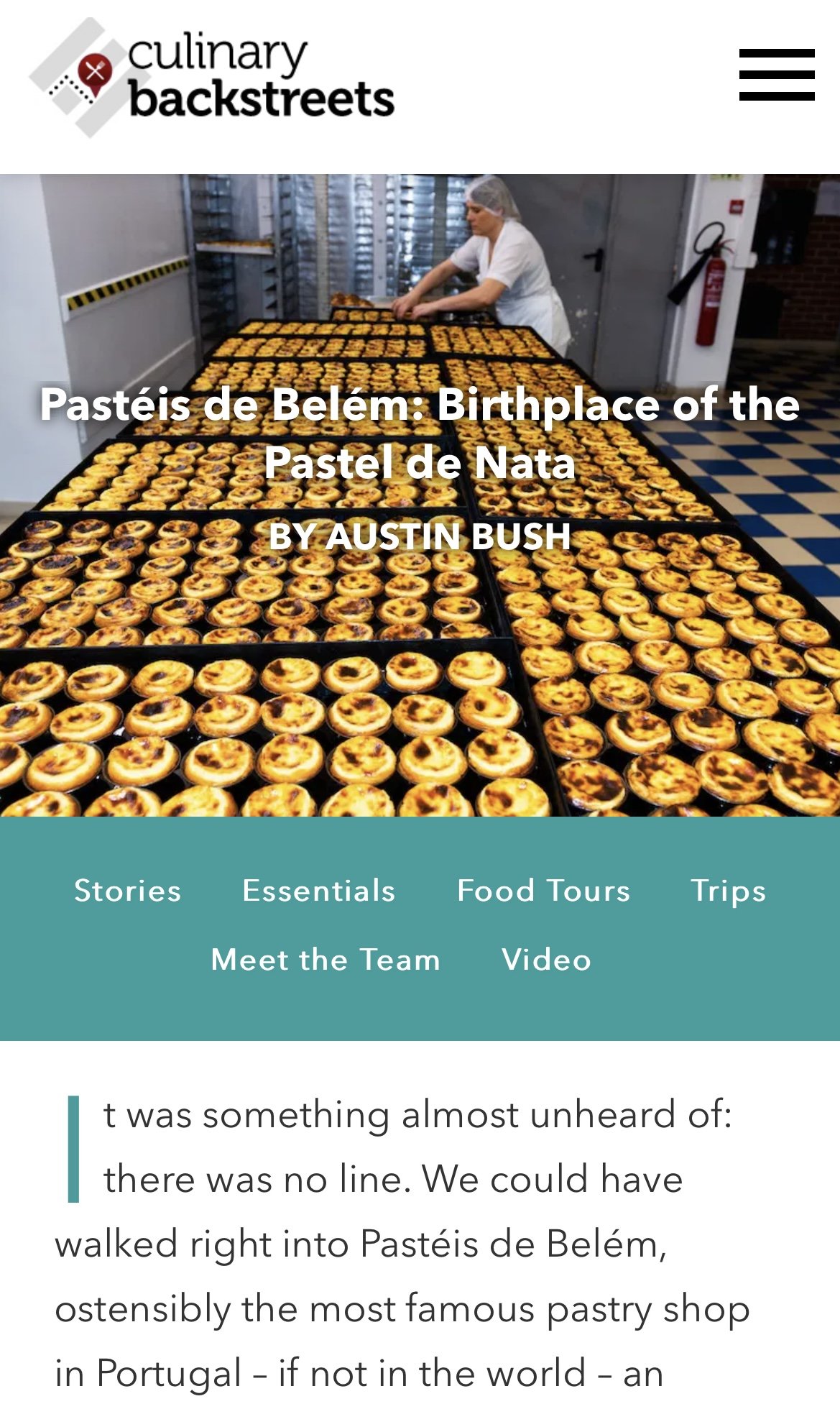
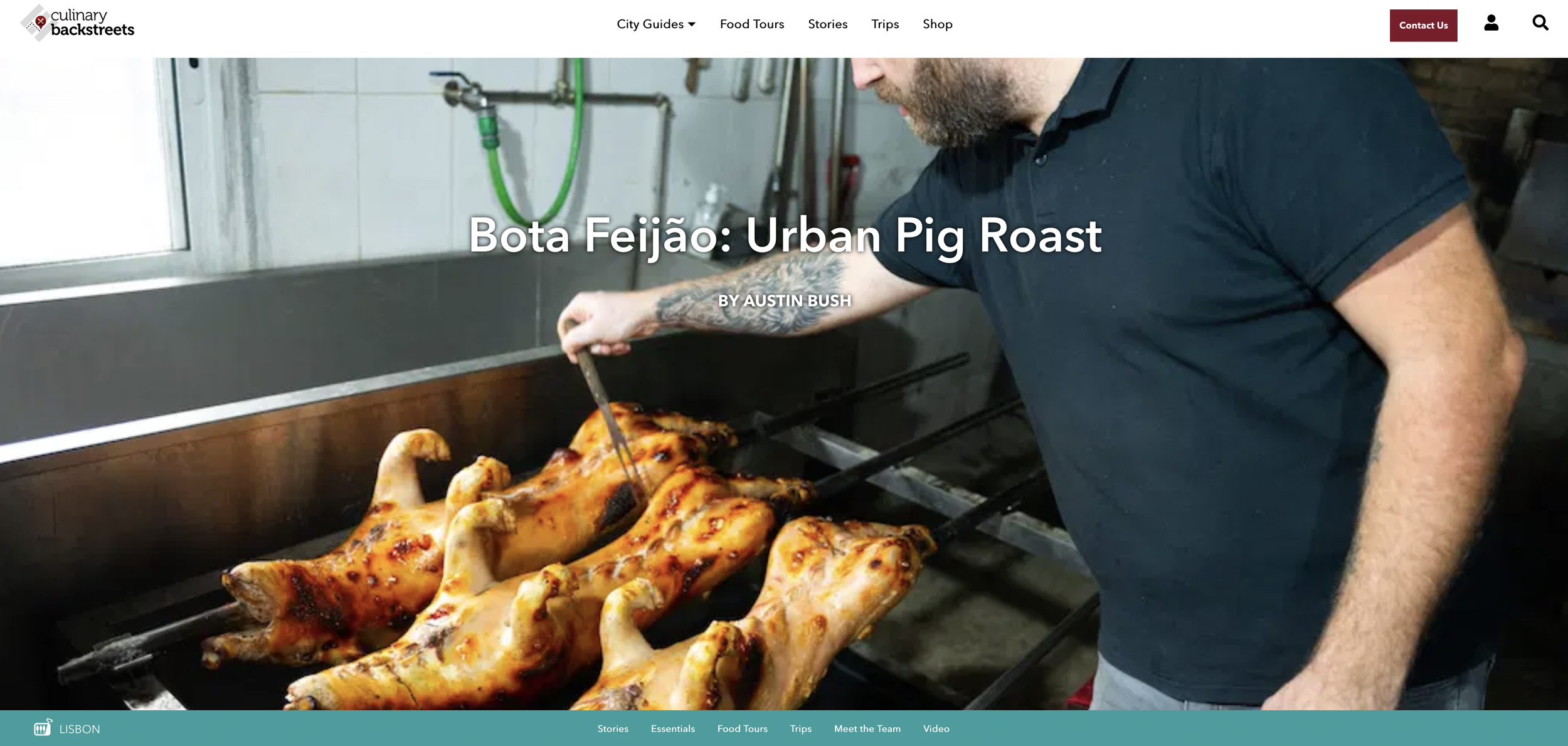
Click here to read this article: “O Primo do Queijo: Cheese Champions,” text & photos, Culinary Backstreets
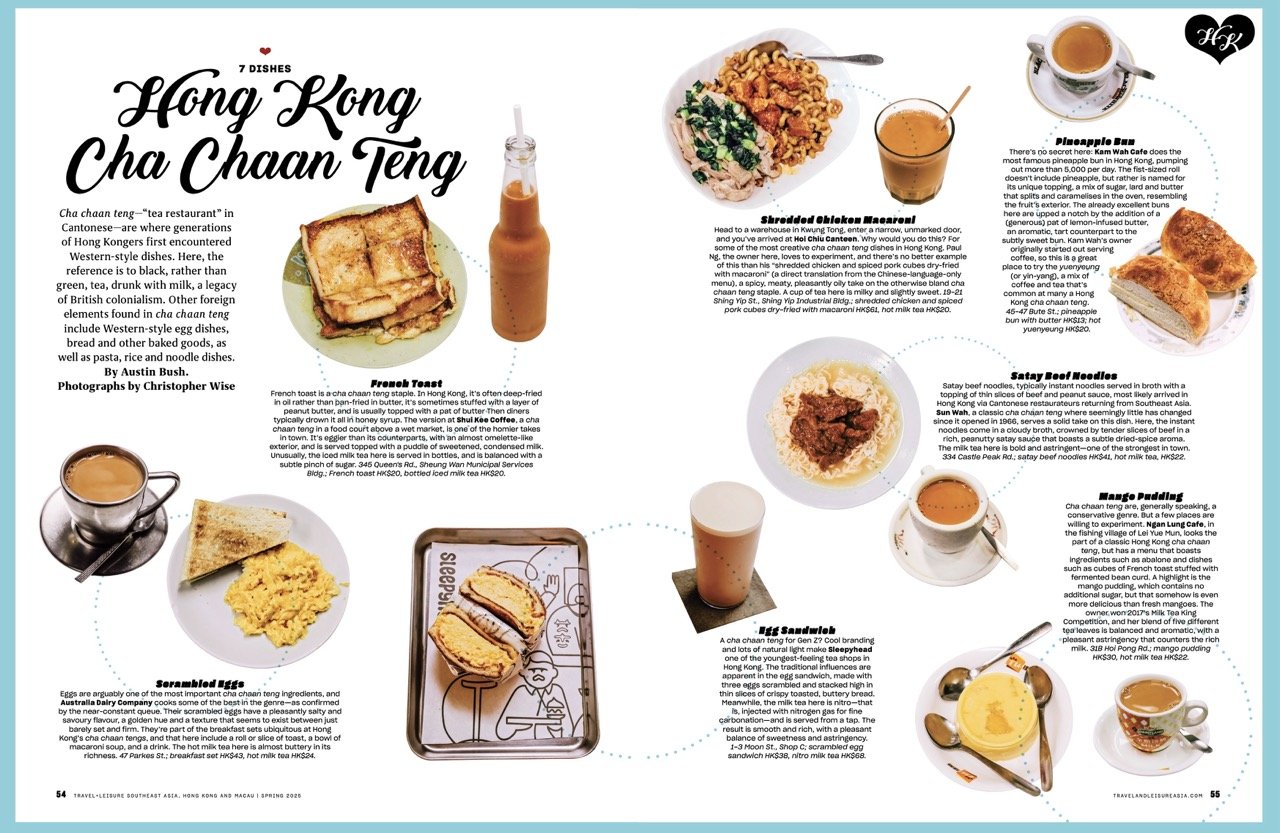
Text: “Hong Kong Cha Chaan Teng,” Travel + Leisure Asia
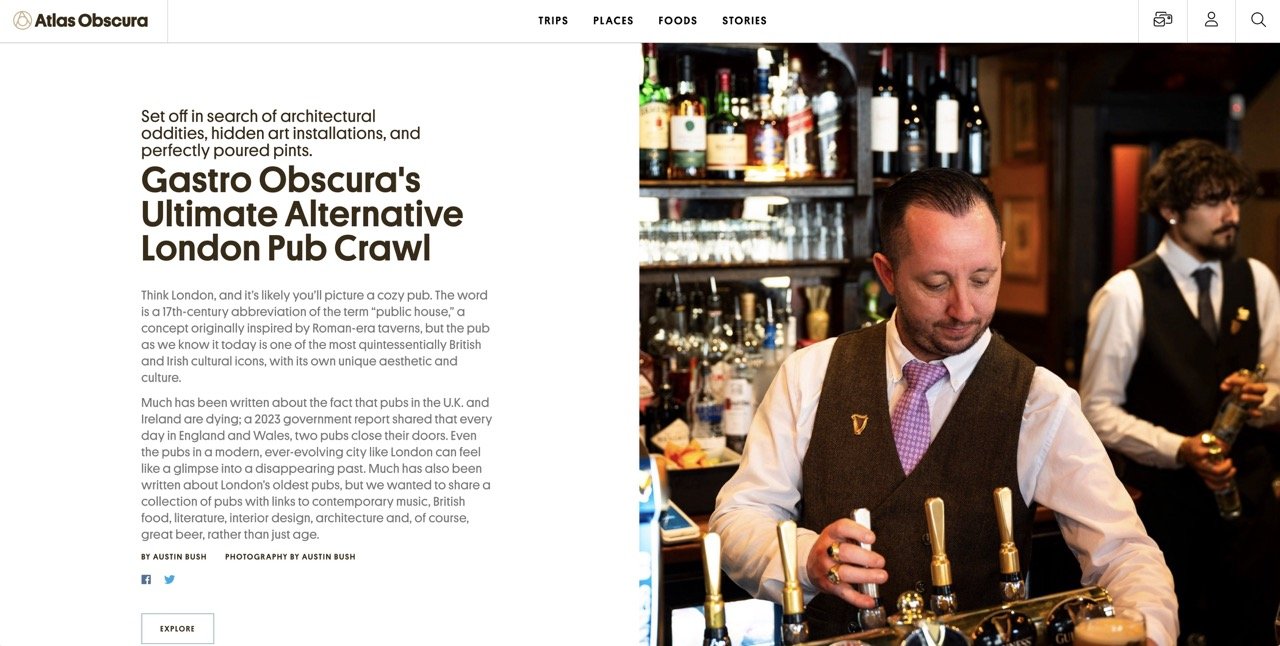
Click here to see this article: “Gastro Obscura's Ultimate Alternative London Pub Crawl,” text & photos, Gastro Obscura

Click here to see this article: “Bringing the Heat to Blighty: the Best Thai Restaurants in London to Put on Your Radar,” text, Travel + Leisure Asia

Click here to see this article: “Gastro Obscura’s 10 Essential Places to Eat, Drink, and Shop in Hong Kong,” text & photos, Gastro Obscura
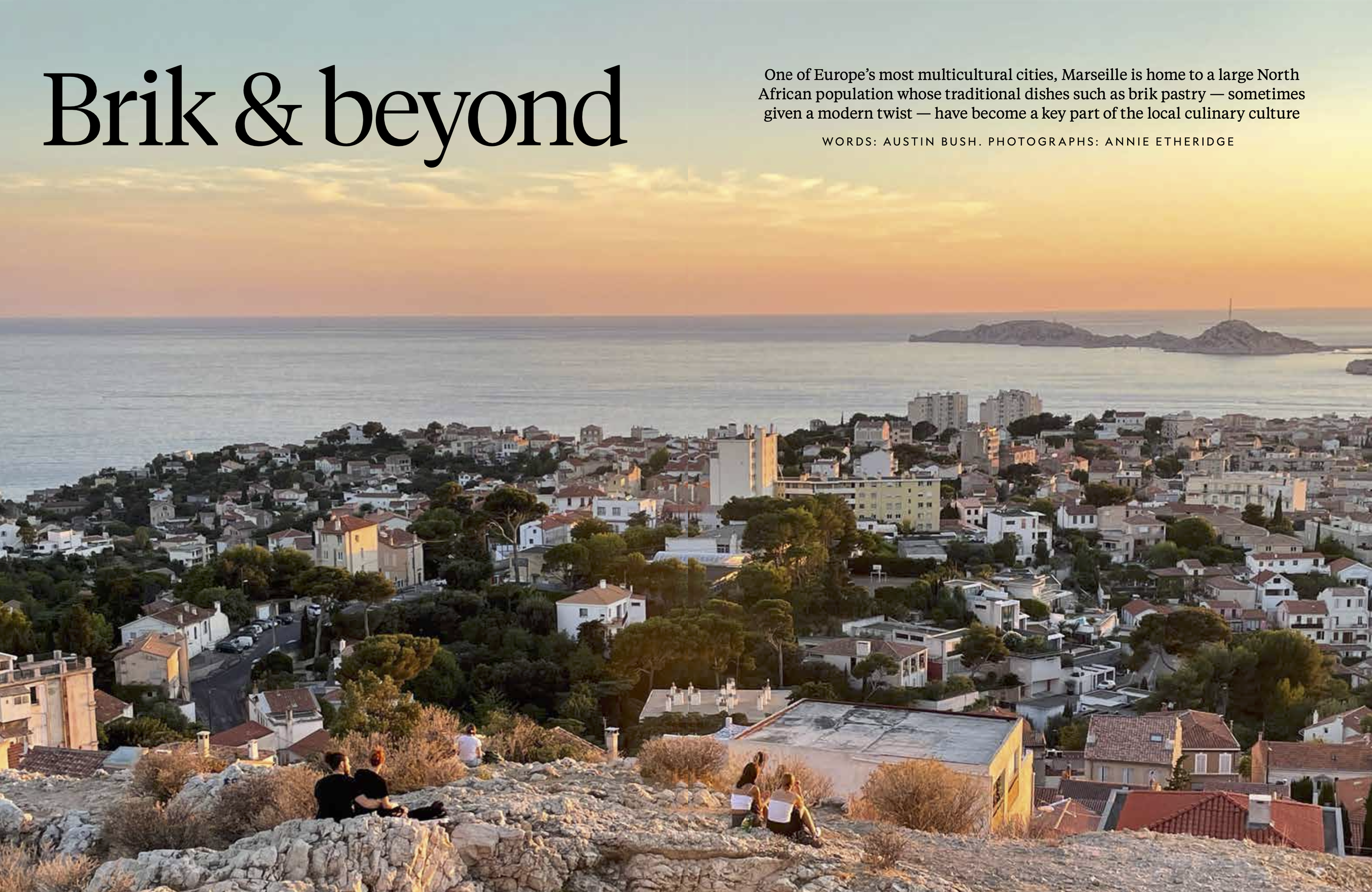
Text: “Brik & beyond,” National Geographic Traveller Food
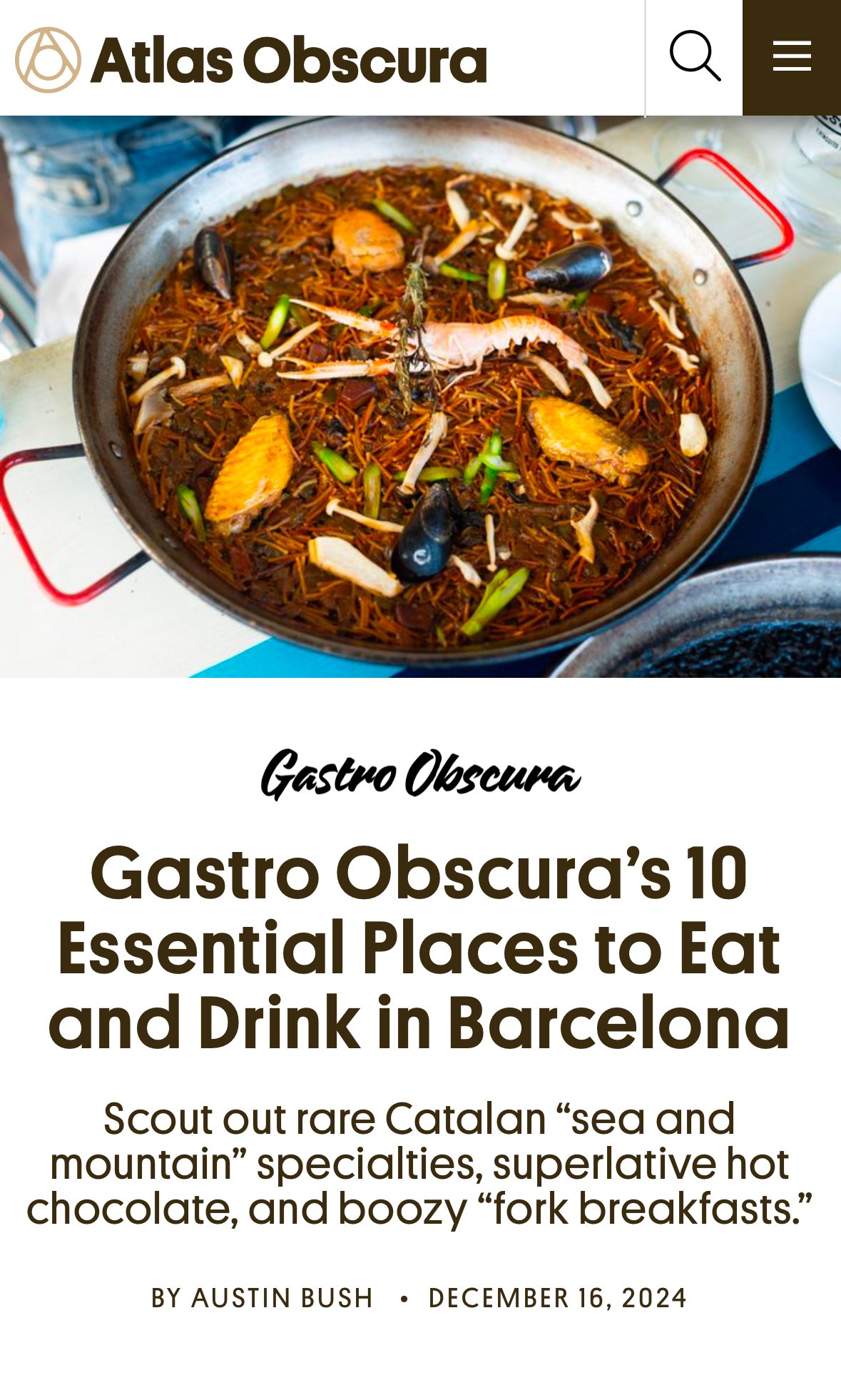
Click here to see this article: “Gastro Obscura’s 10 Essential Places to Eat and Drink in Barcelona,” text & photos, Gastro Obscura
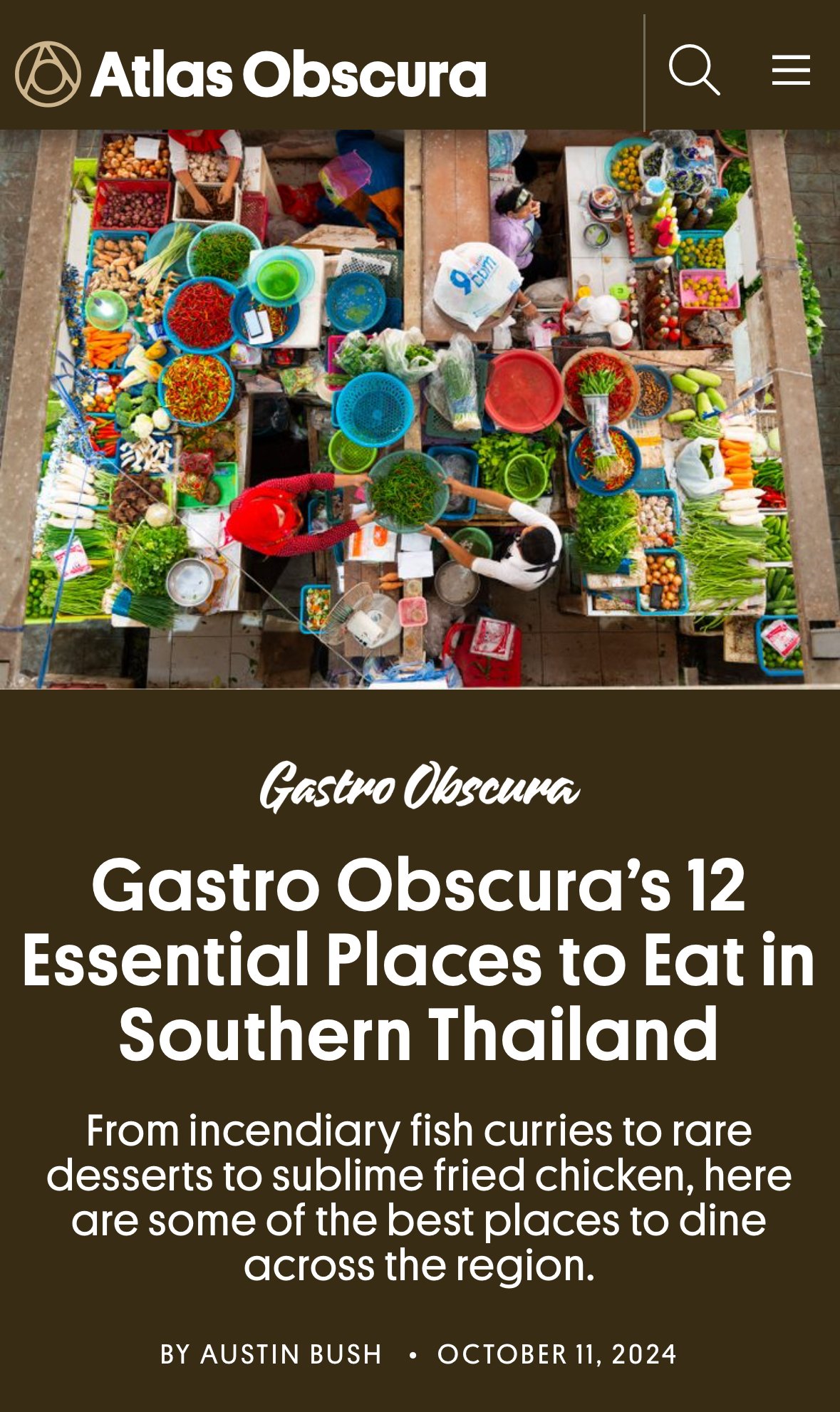
Click here to see this article: "Gastro Obscura’s 12 Essential Places to Eat in Southern Thailand," text & photos, Gastro Obscura
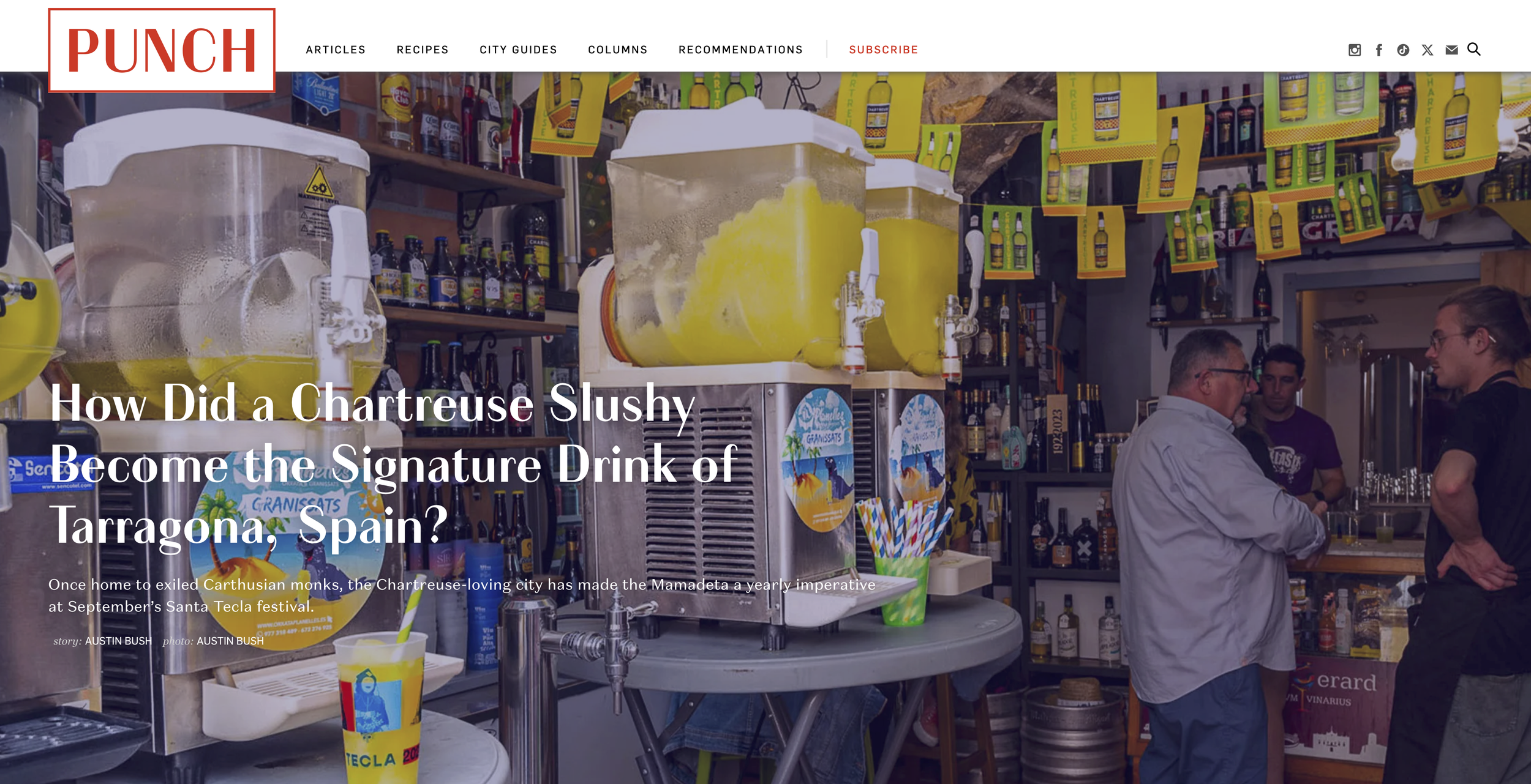
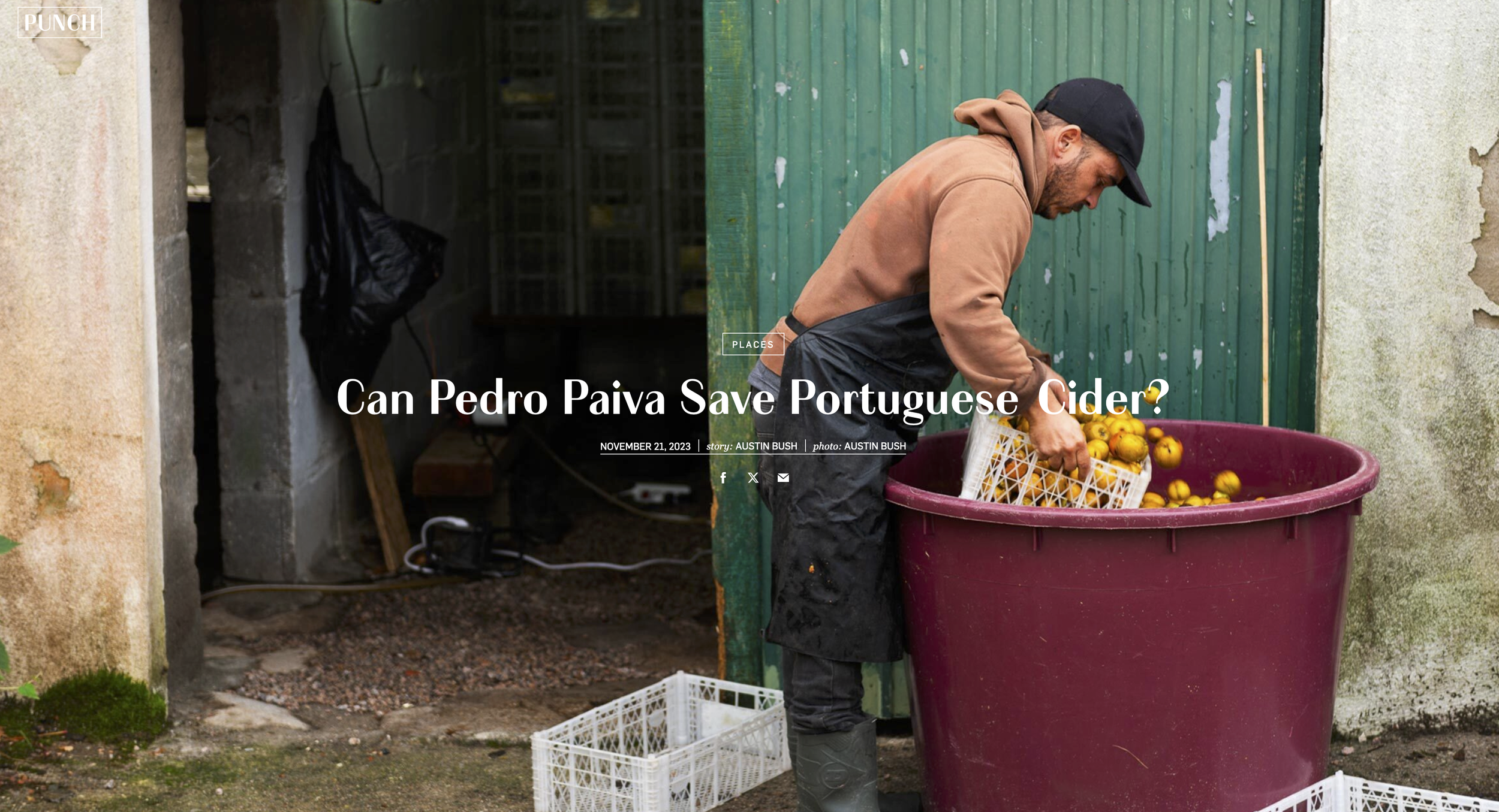
Click here to see this article: "How Did a Chartreuse Slushy Become the Signature Drink of Tarragona, Spain?" text & photos, PUNCH
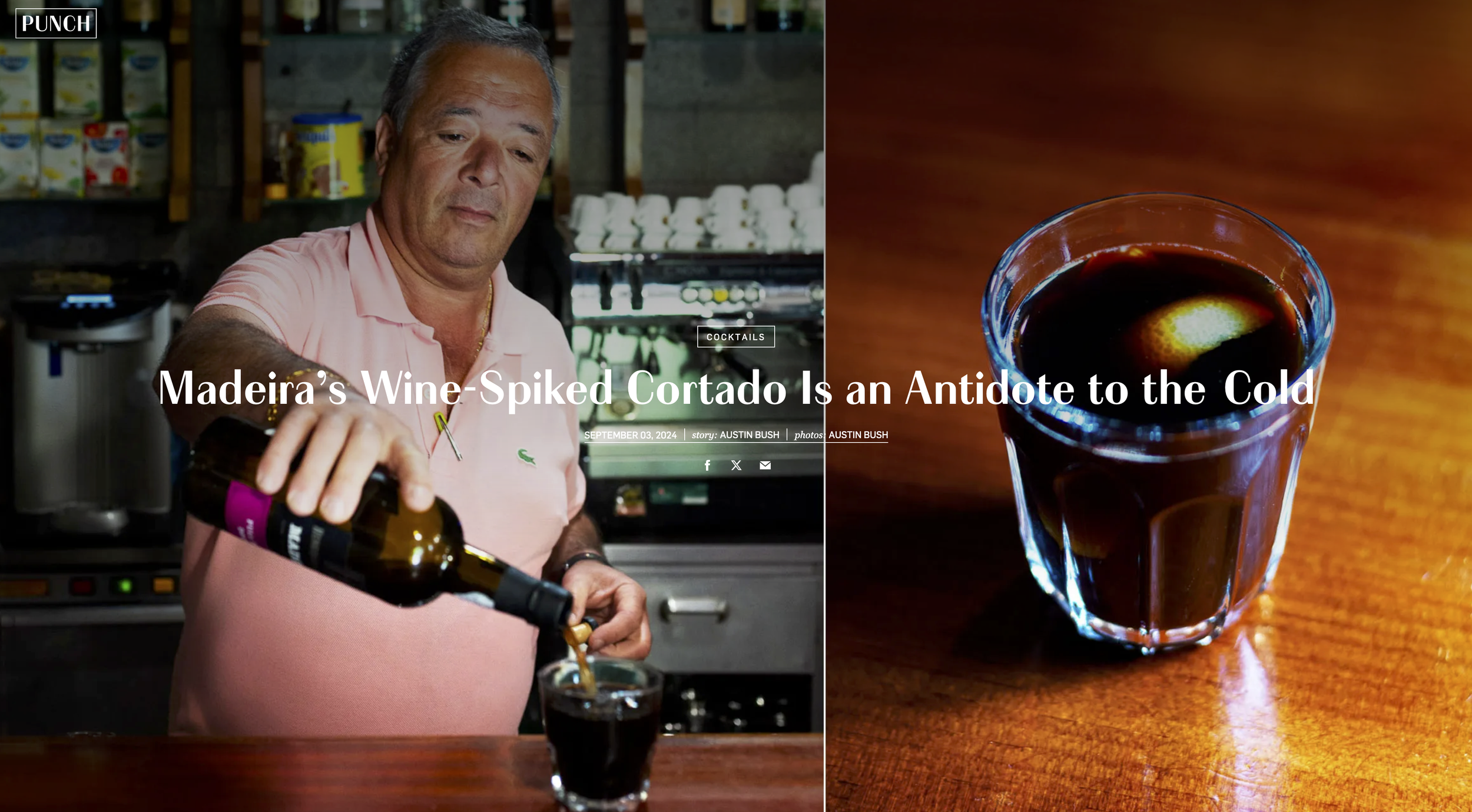
Click here to see this article: "Madeira’s Wine-Spiked Cortado Is an Antidote to the Cold," text and photos, PUNCH
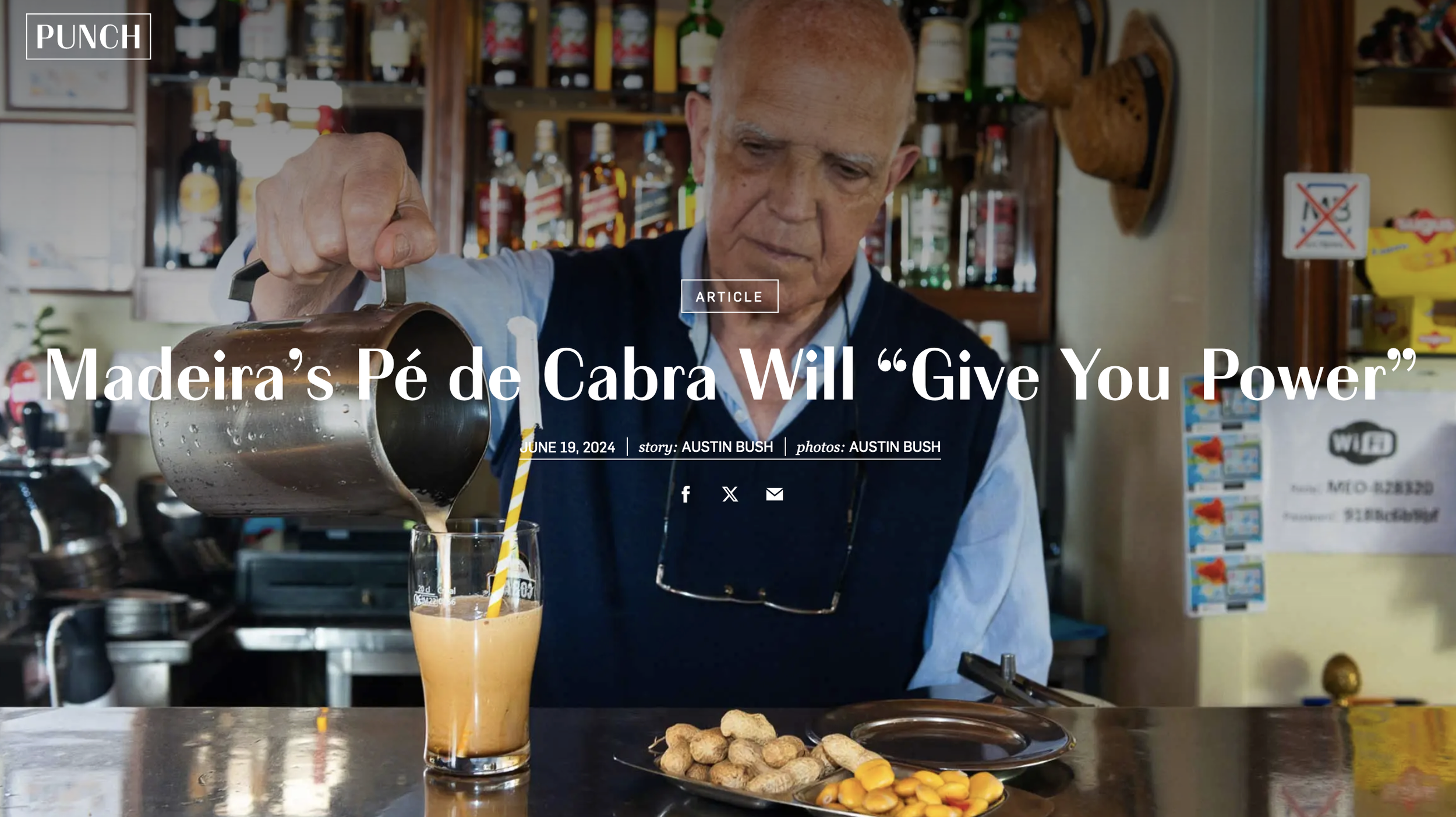
Click here to see this article: "Madeira's Pé de Cabra Will 'Give You Power,' text AND photos, PUNCH
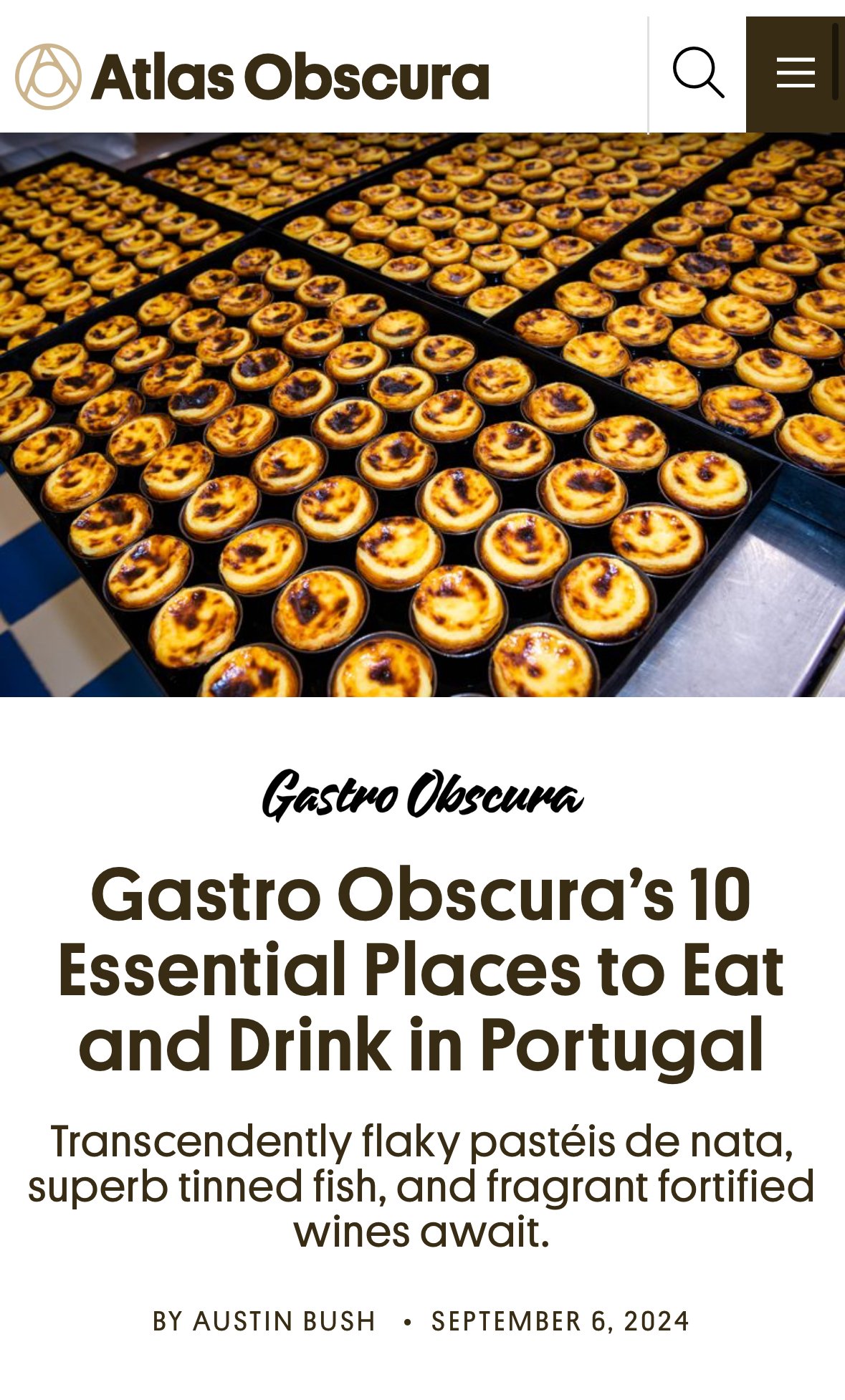
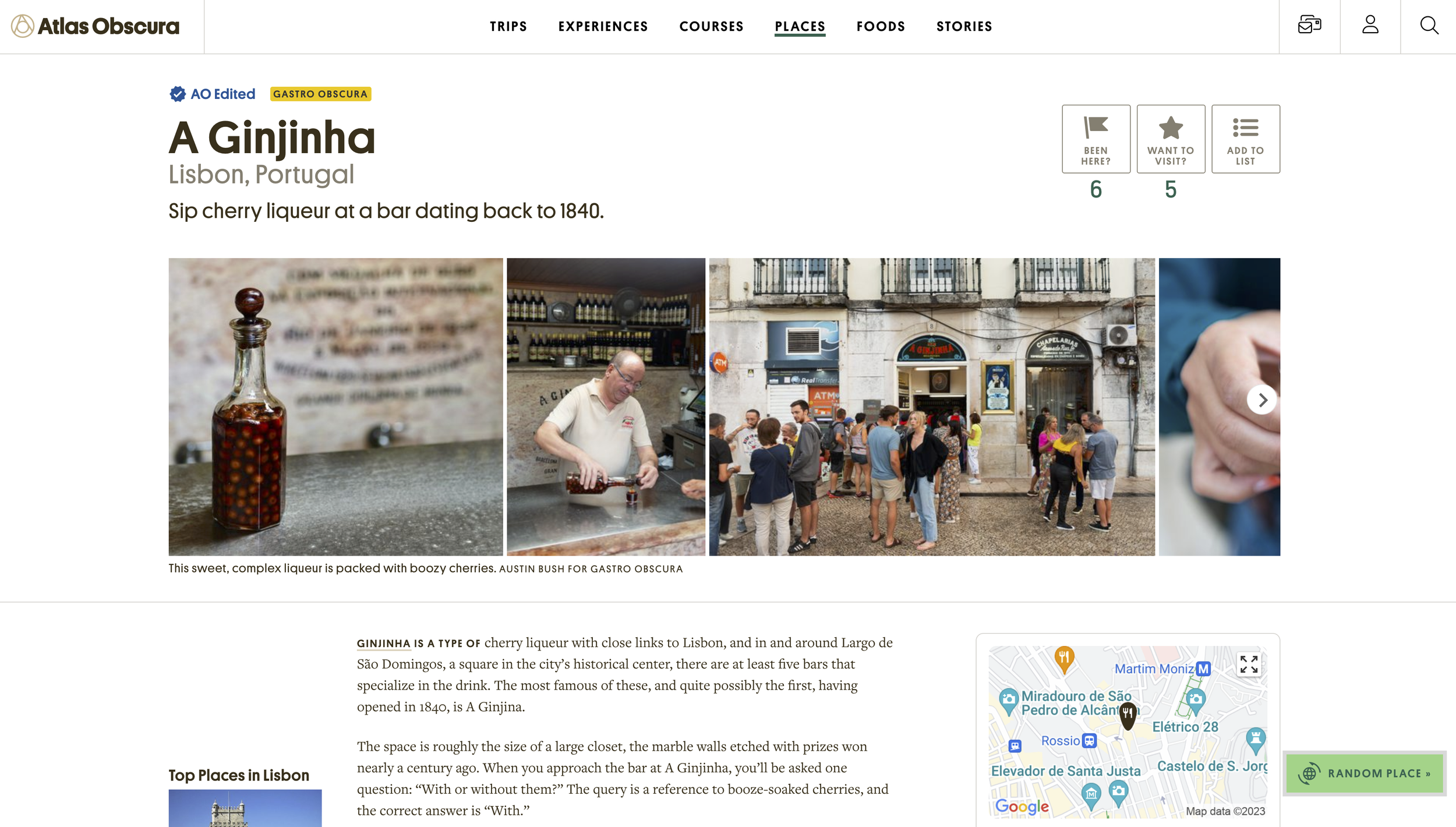
Click here to see this article: "Gastro Obscura’s 10 Essential Places to Eat and Drink in Portugal," text and photos, Gastro Obscura
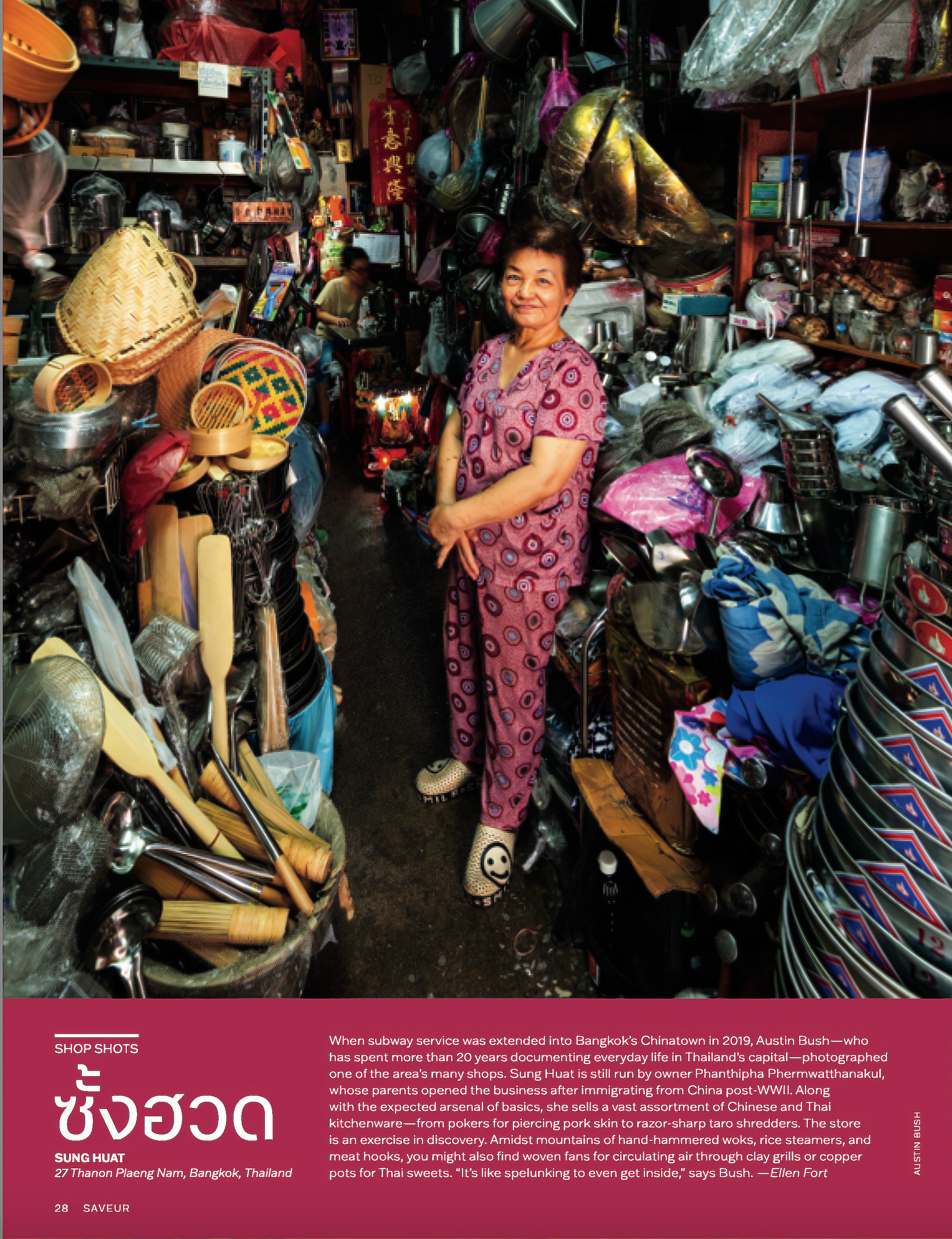
“Shop Shots: Sung Huat,” photo, Saveur
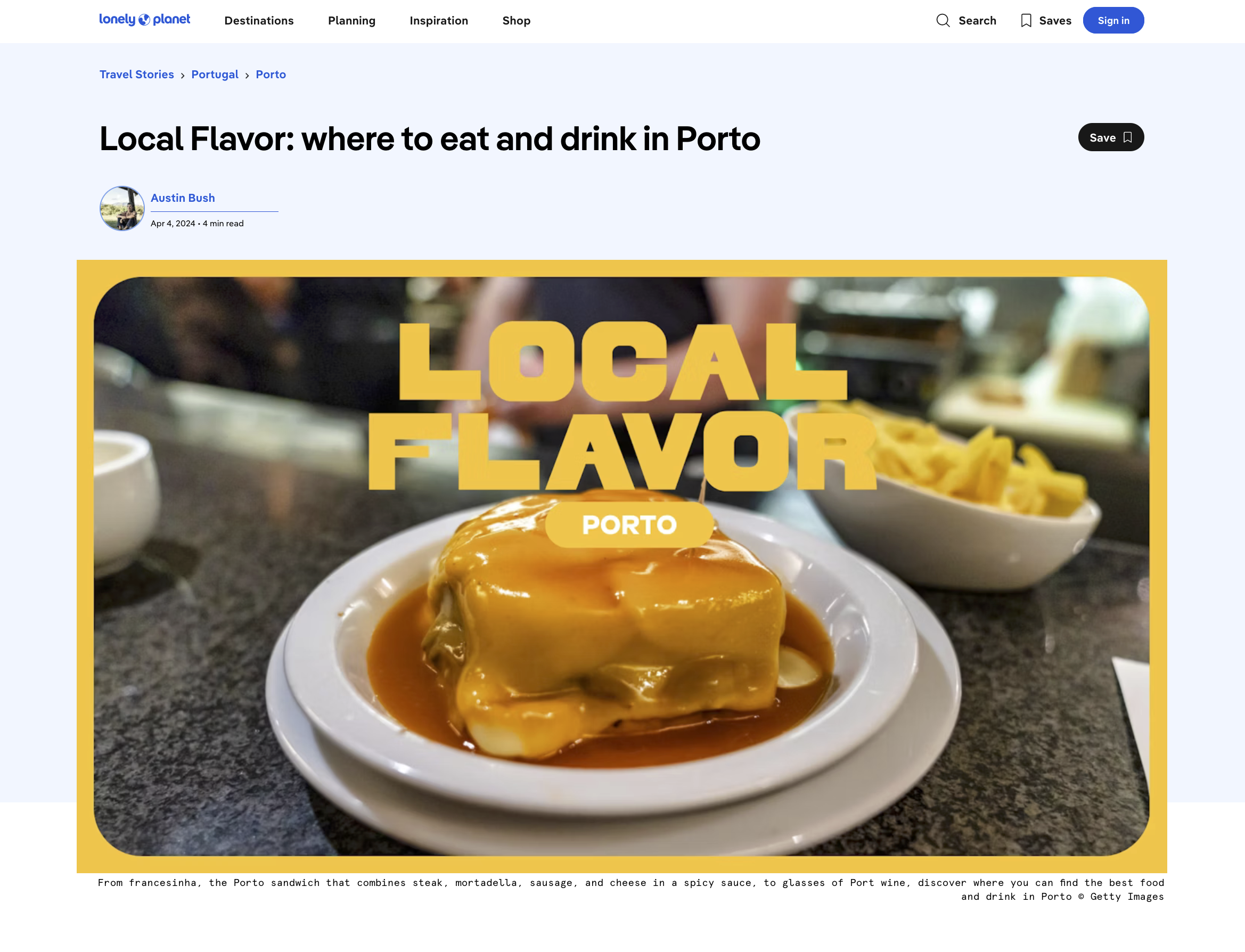
Click here to go to this article: “Local Flavor: where to eat and drink in Porto,” text and photos, Lonely Planet
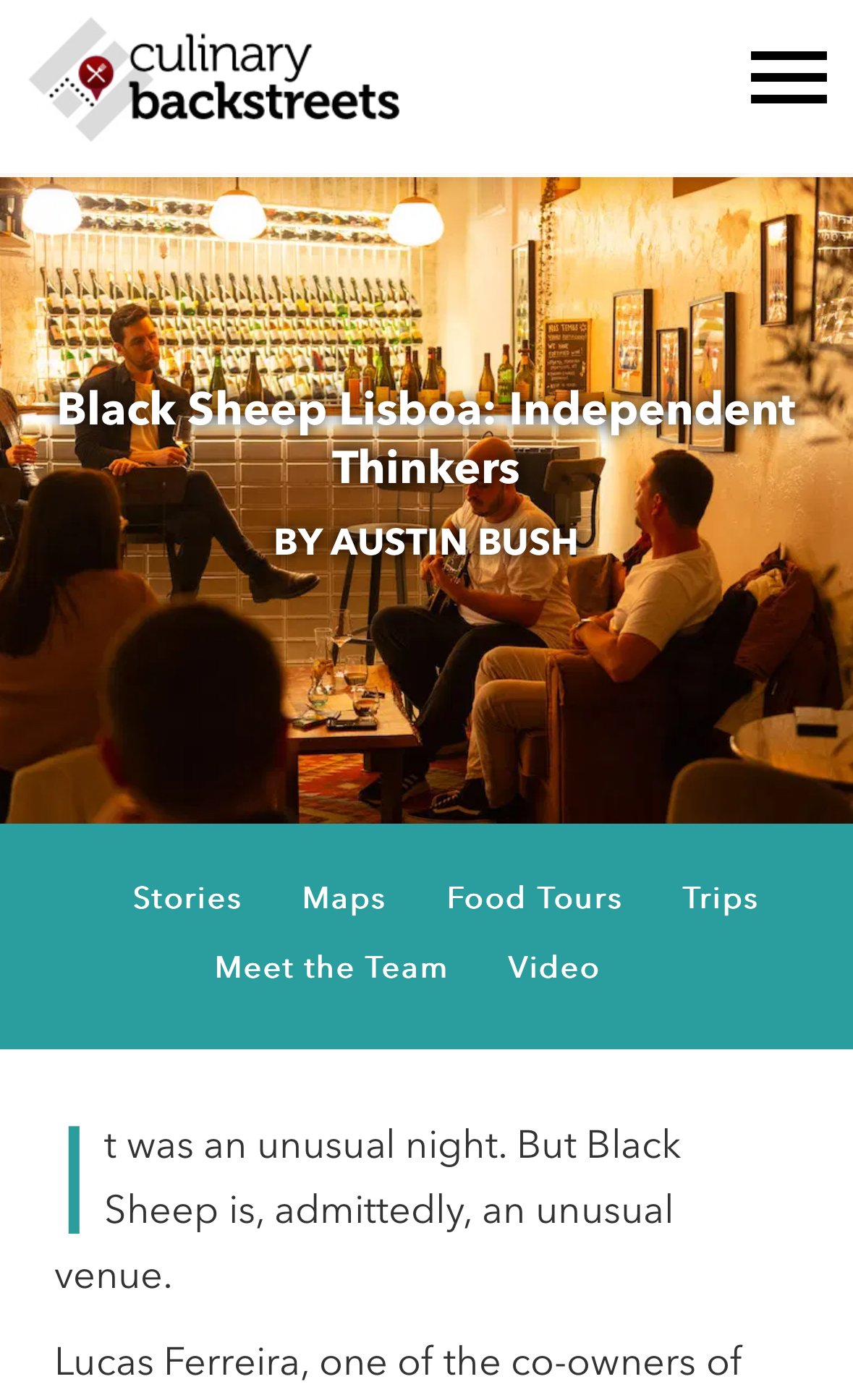
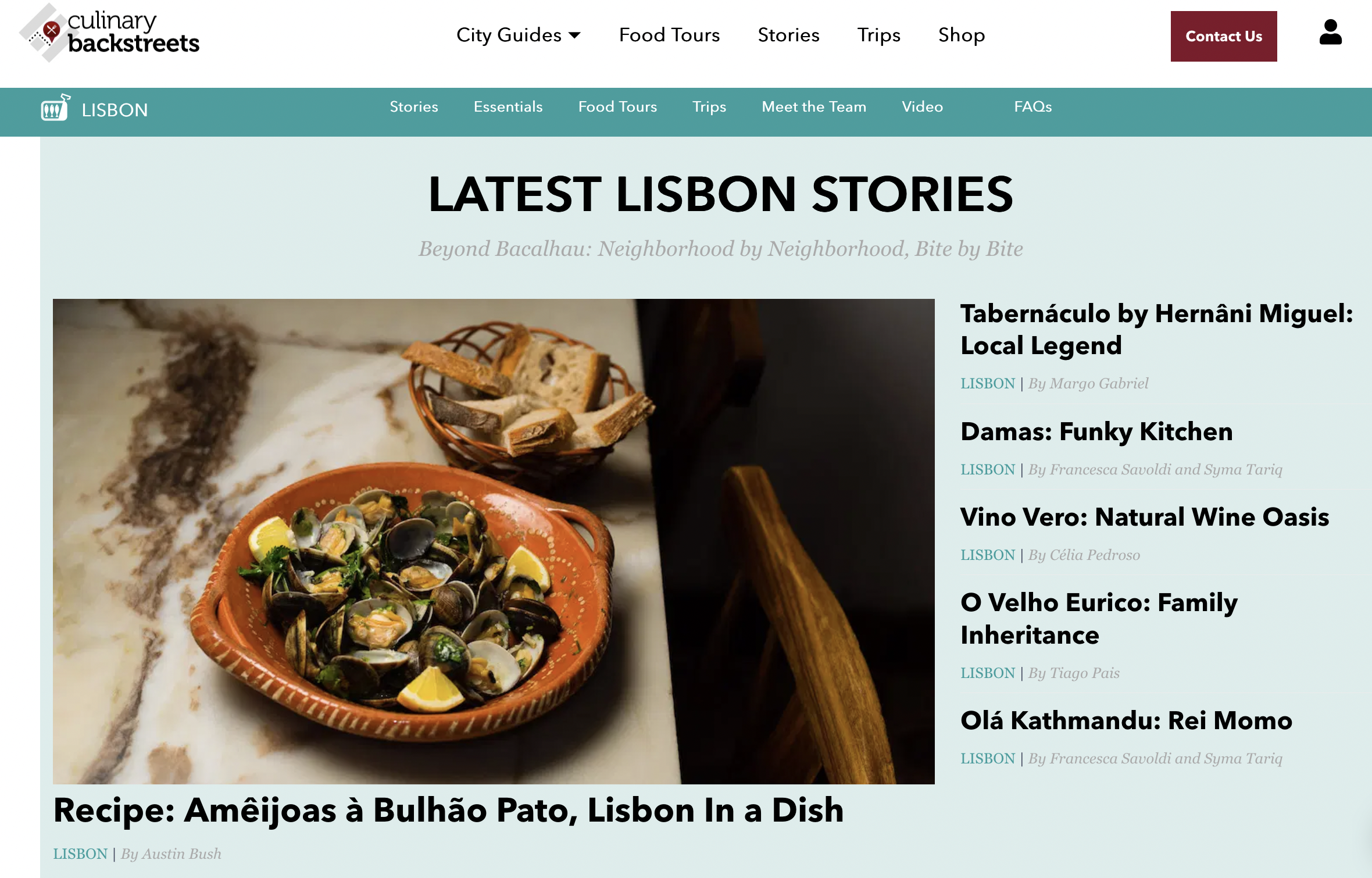
Click here to go to article: “Black Sheep Lisboa: Independent Thinkers,” text and photos, Culinary Backstreets
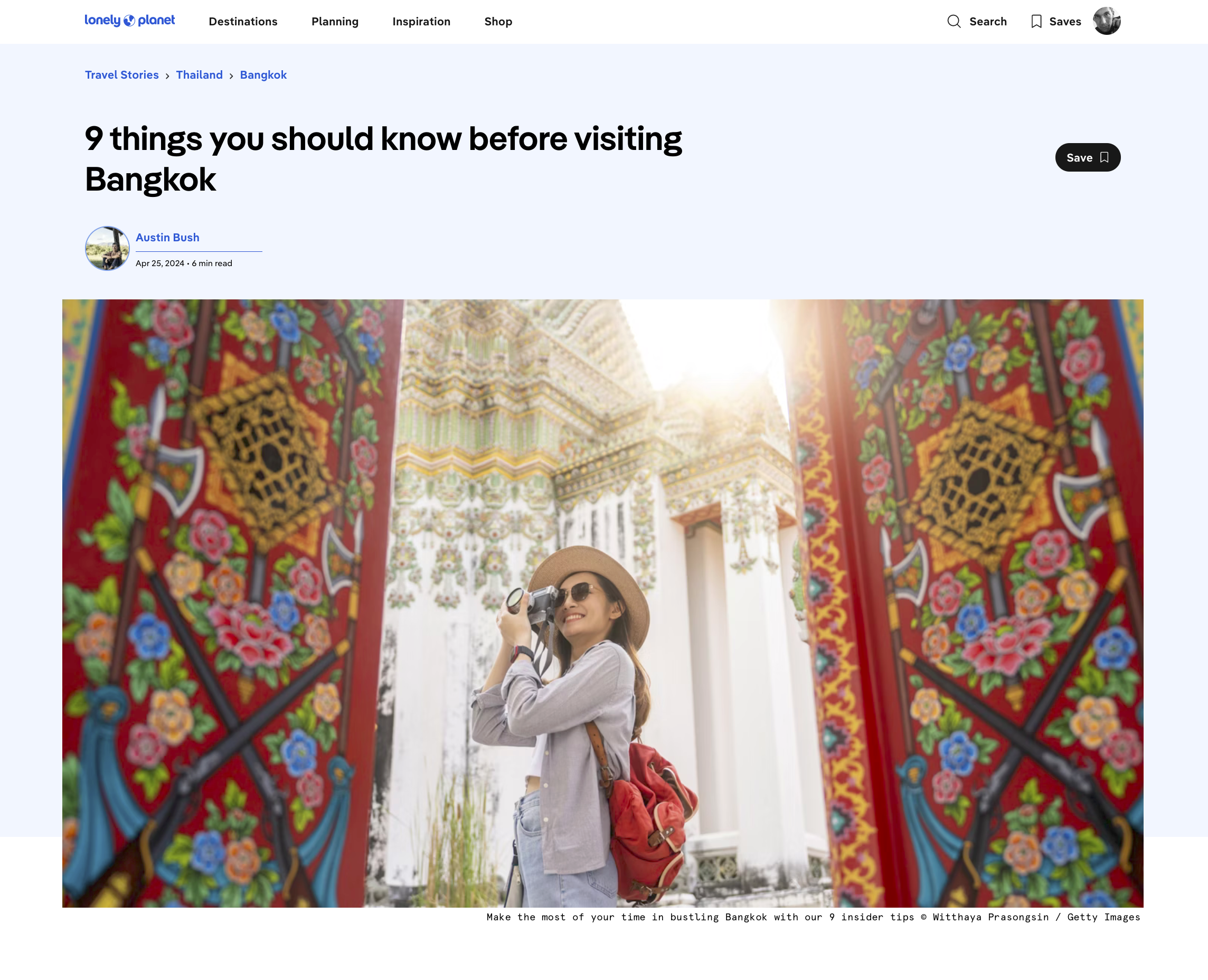
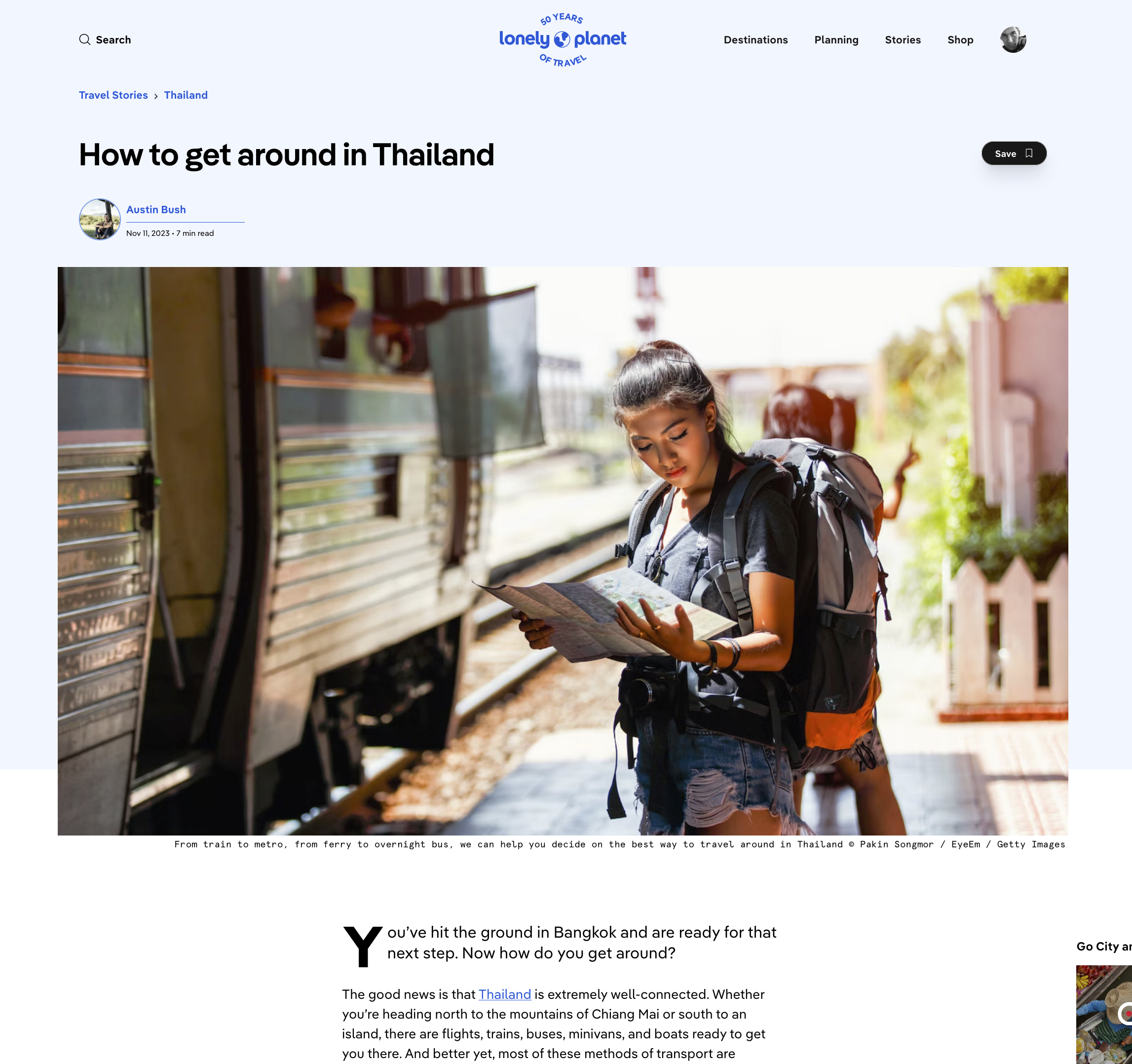
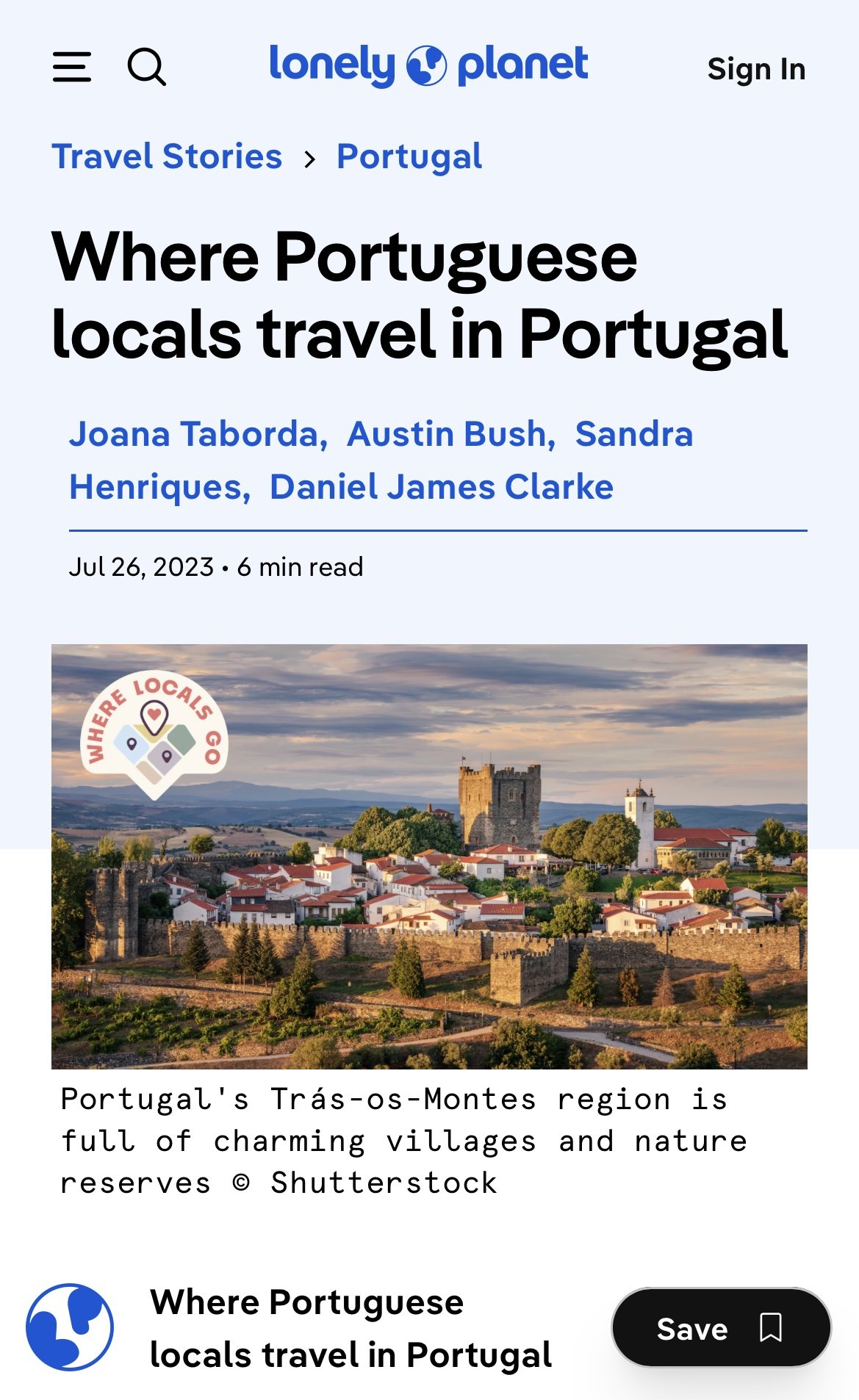
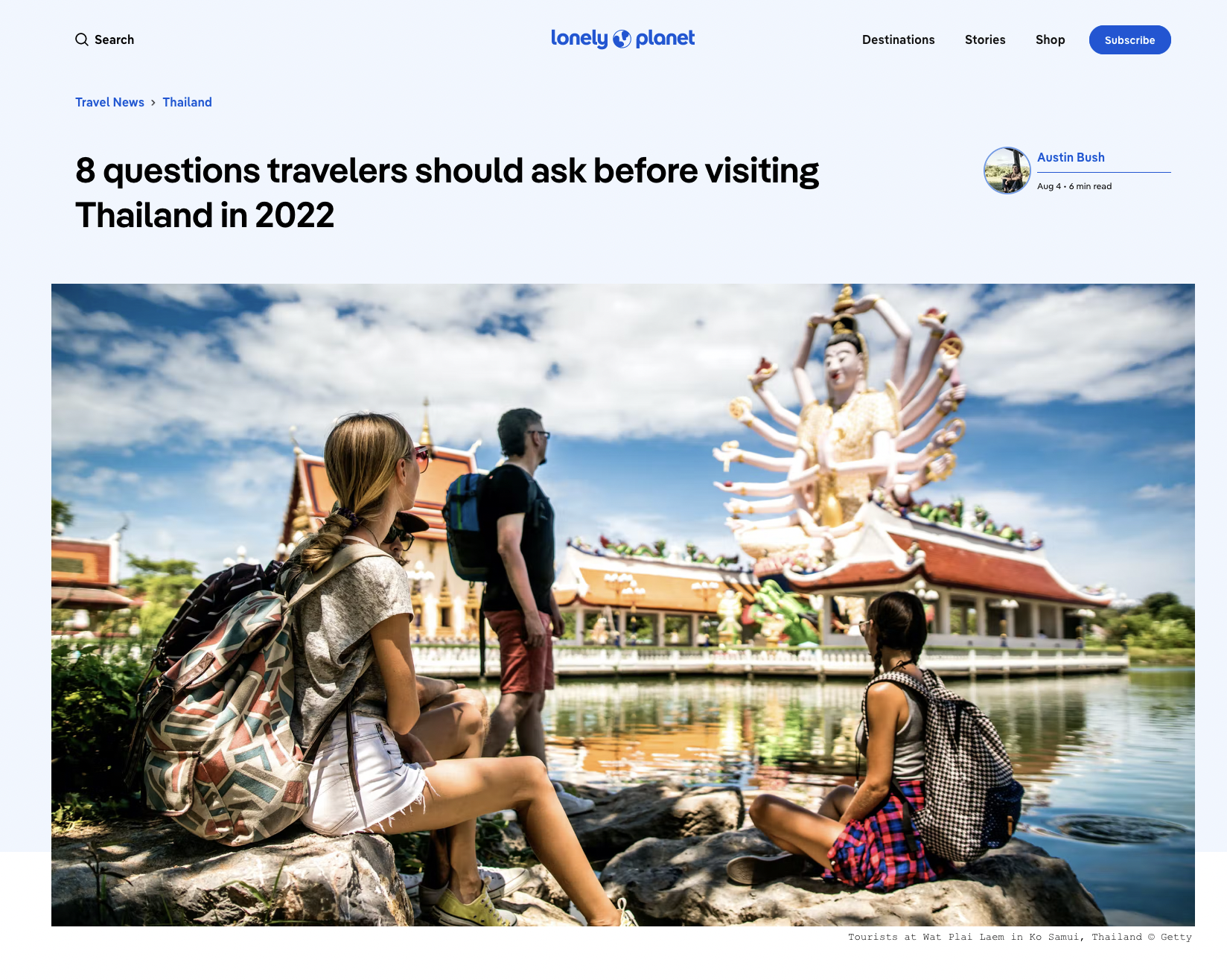
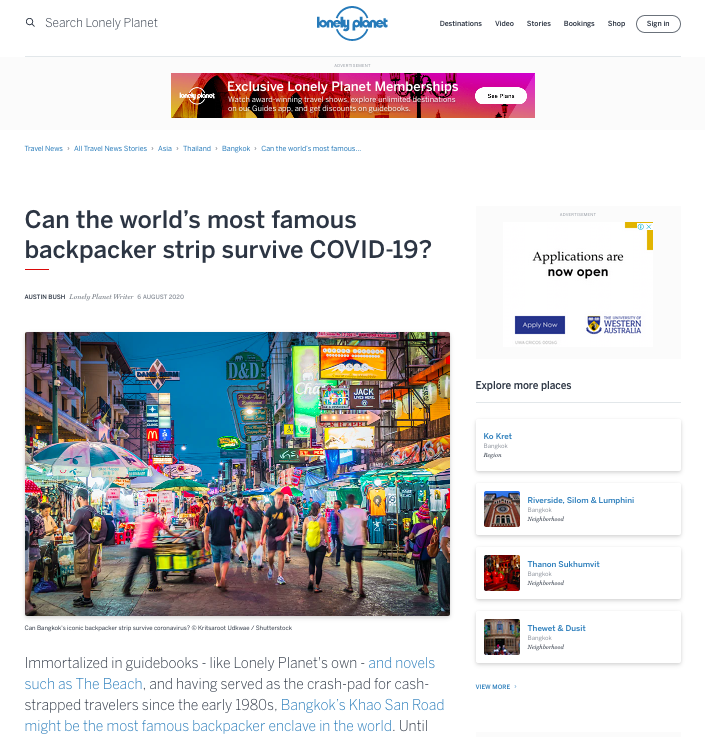
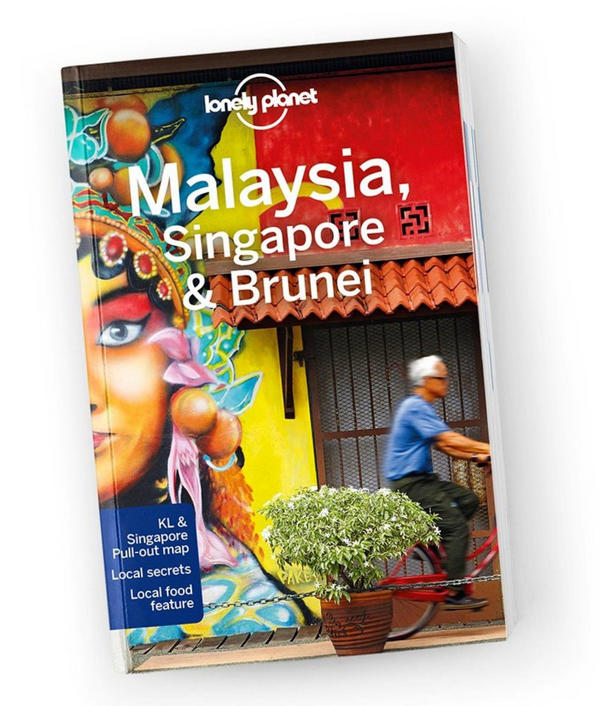
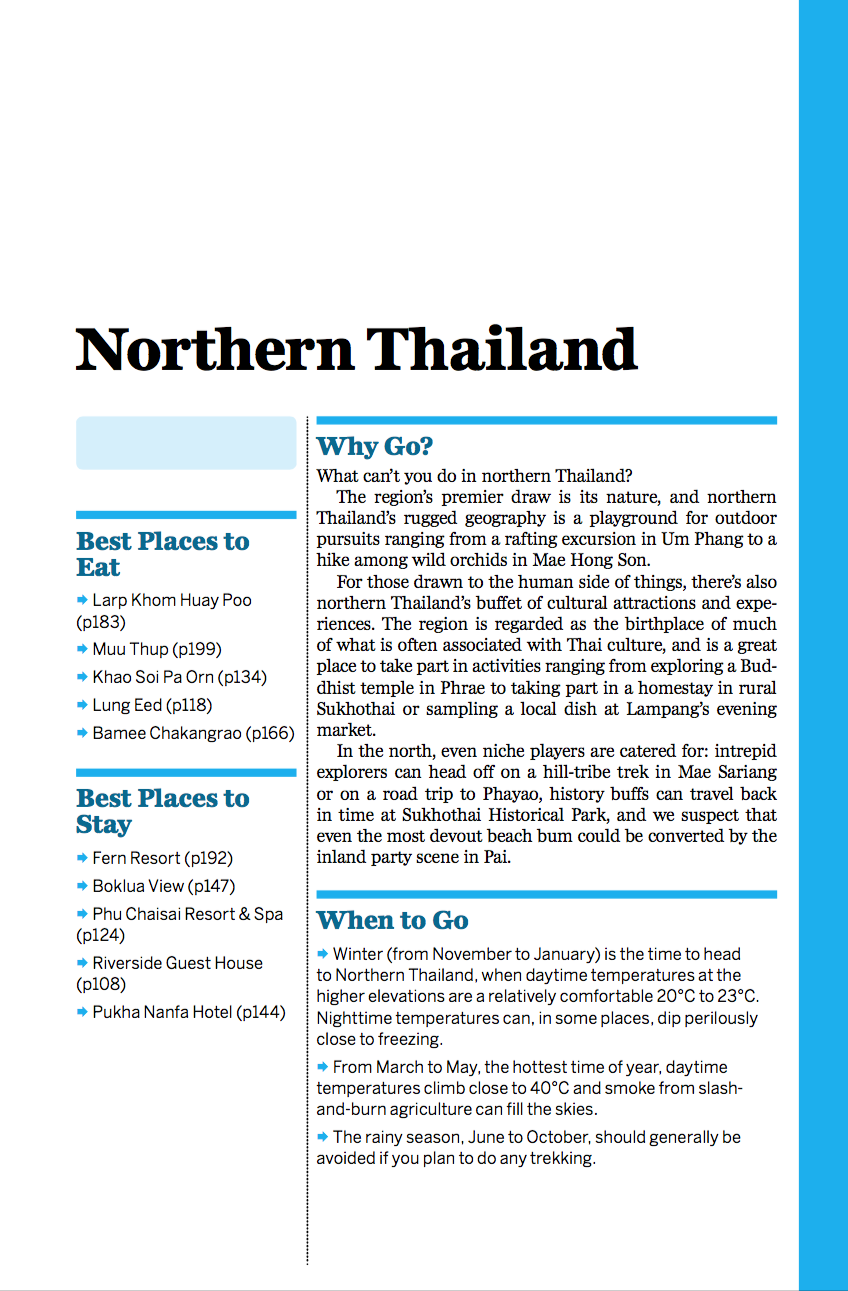
Click here to go to this article: “9 things you should know before visiting Bangkok,” text, Lonely Planet
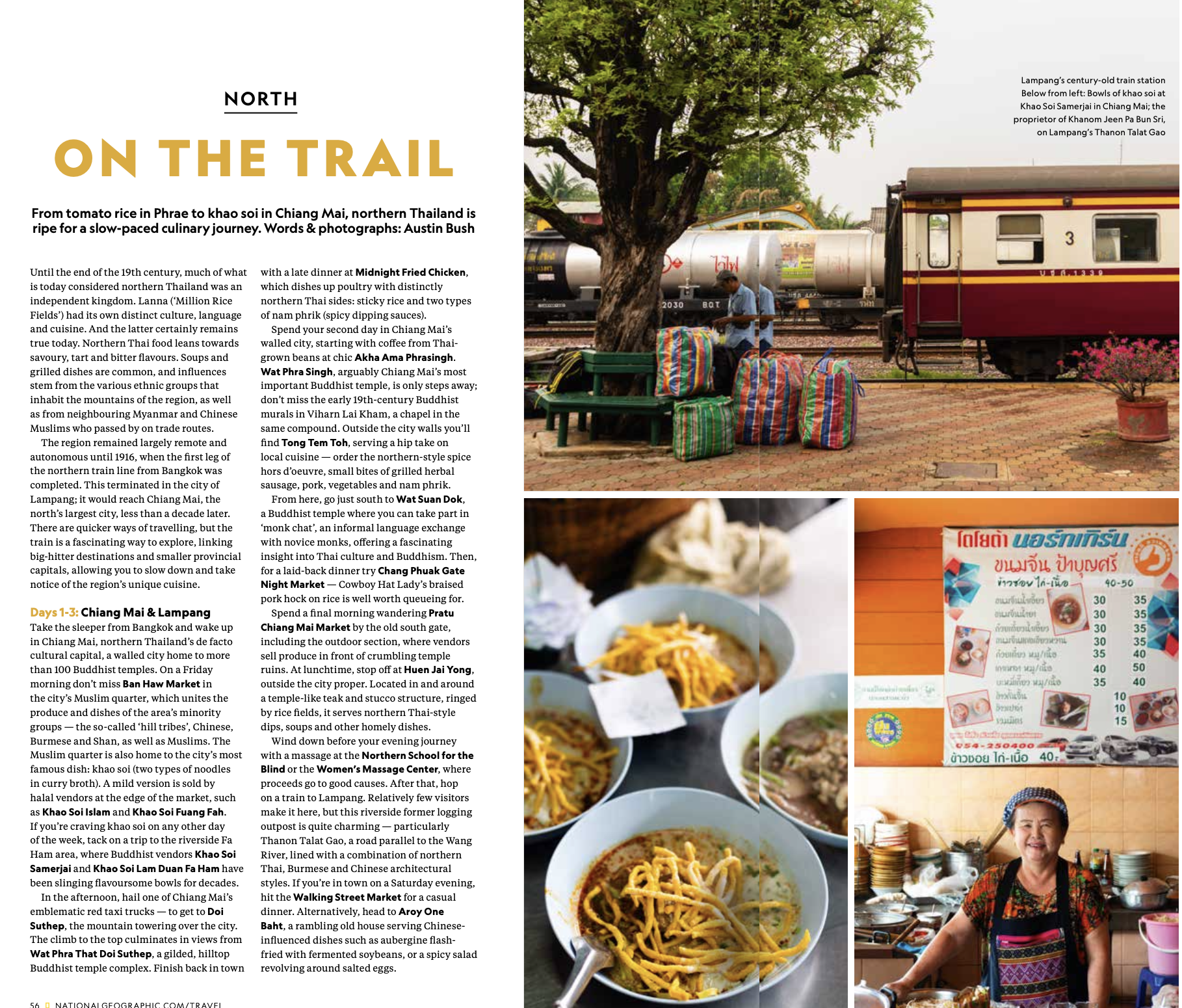
“On the Trail,” text and photos, National Geographic Traveller Food.
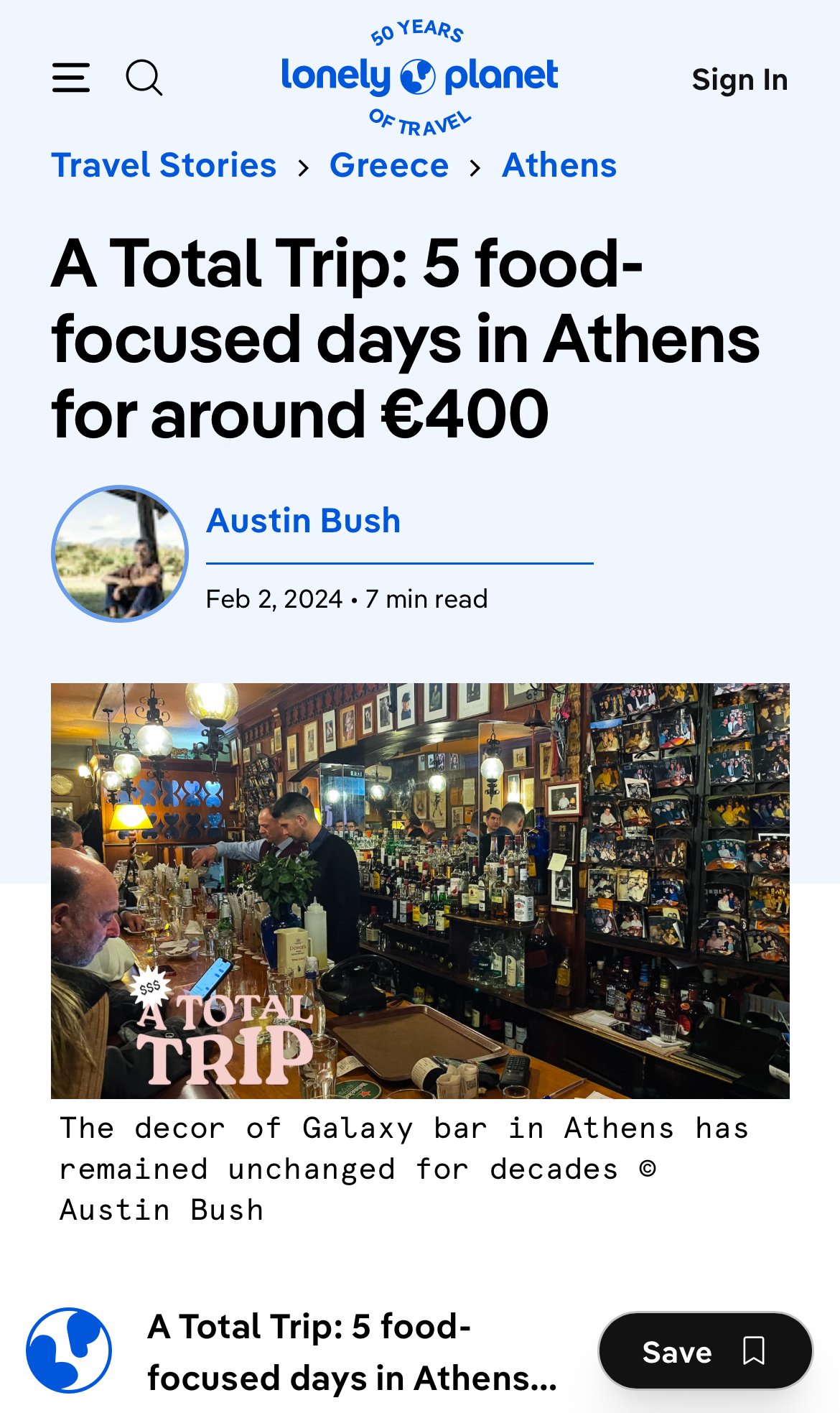
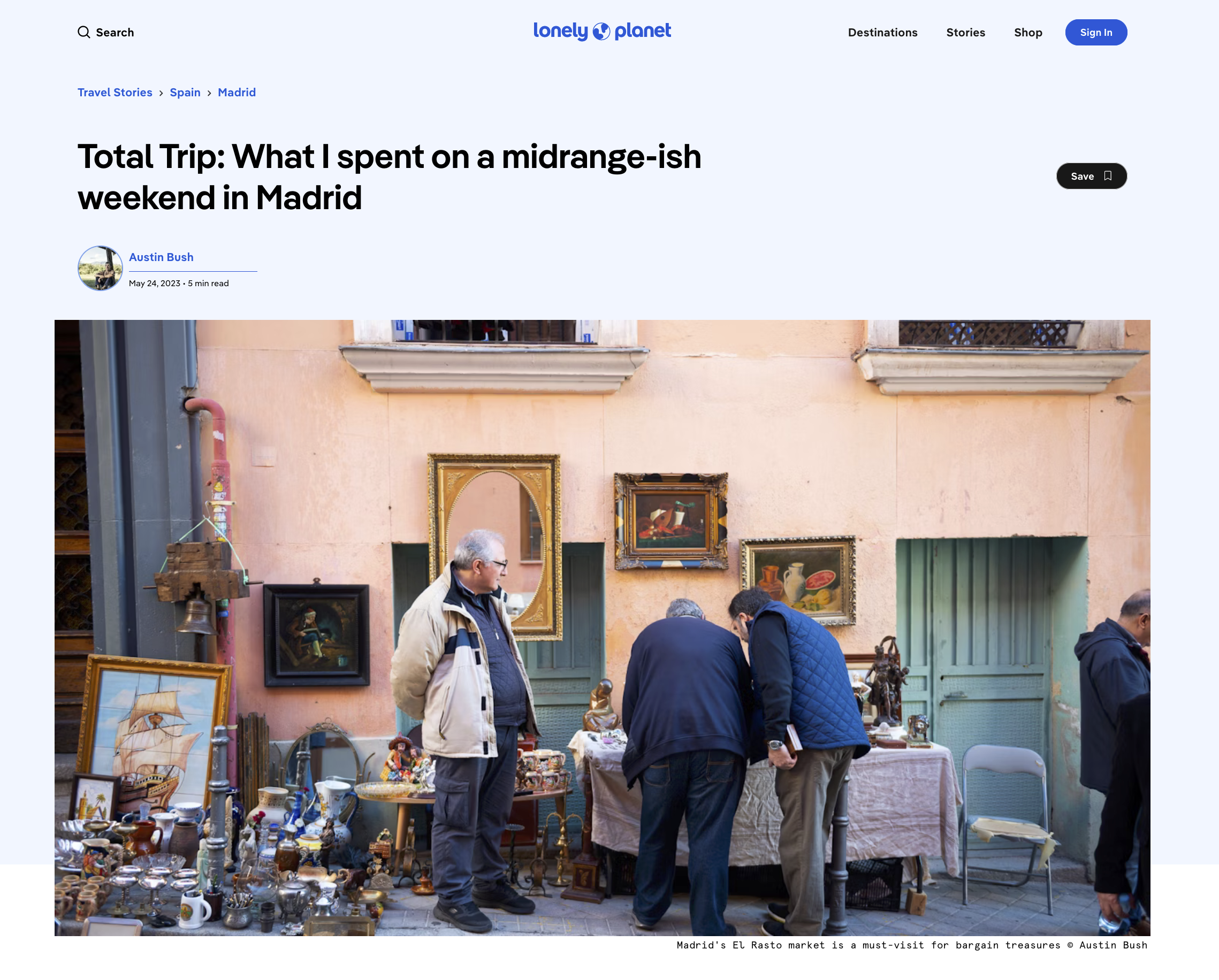
Click here to go to this article: “A Total Trip: 5 food-focused days in Athens for around €400,” text and photos, Lonely Planet
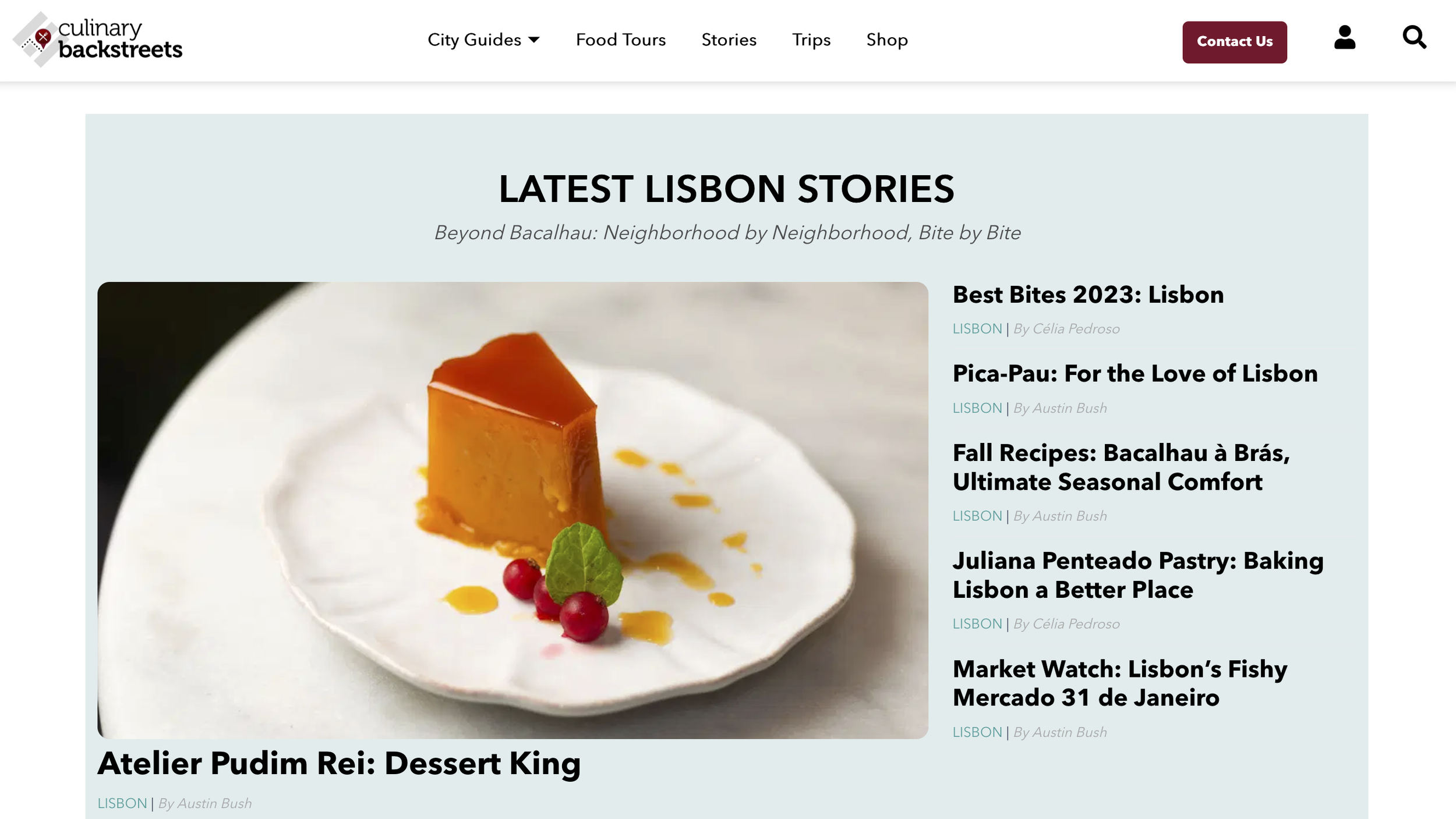
Click here to go to article: “Atelier Pudim Rei: Dessert King,” text and photos, Culinary Backstreets.
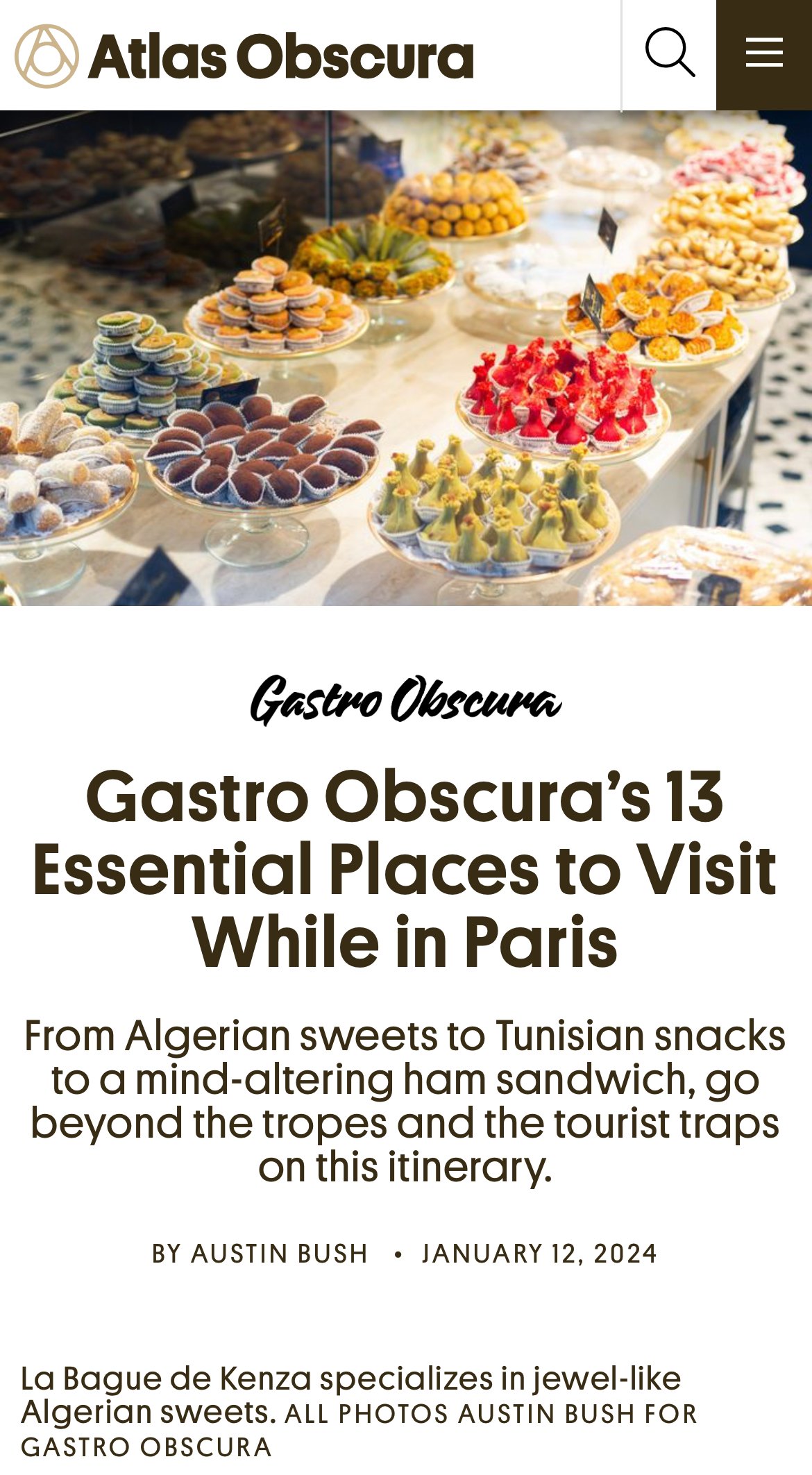
Click here to go to this article: “Gastro Obscura’s 13 Essential Places to Visit While in Paris,” text and photos, Gastro Obscura
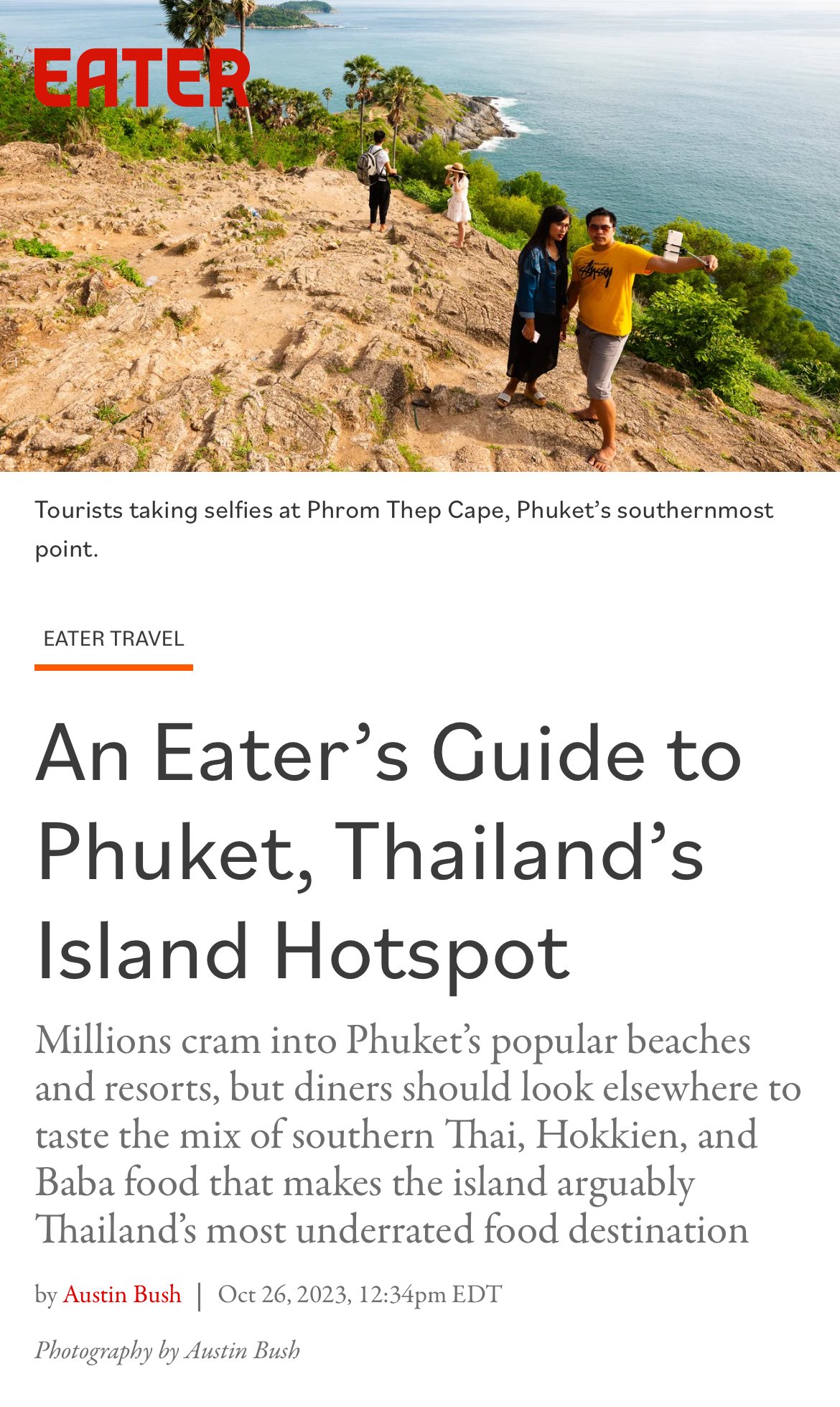
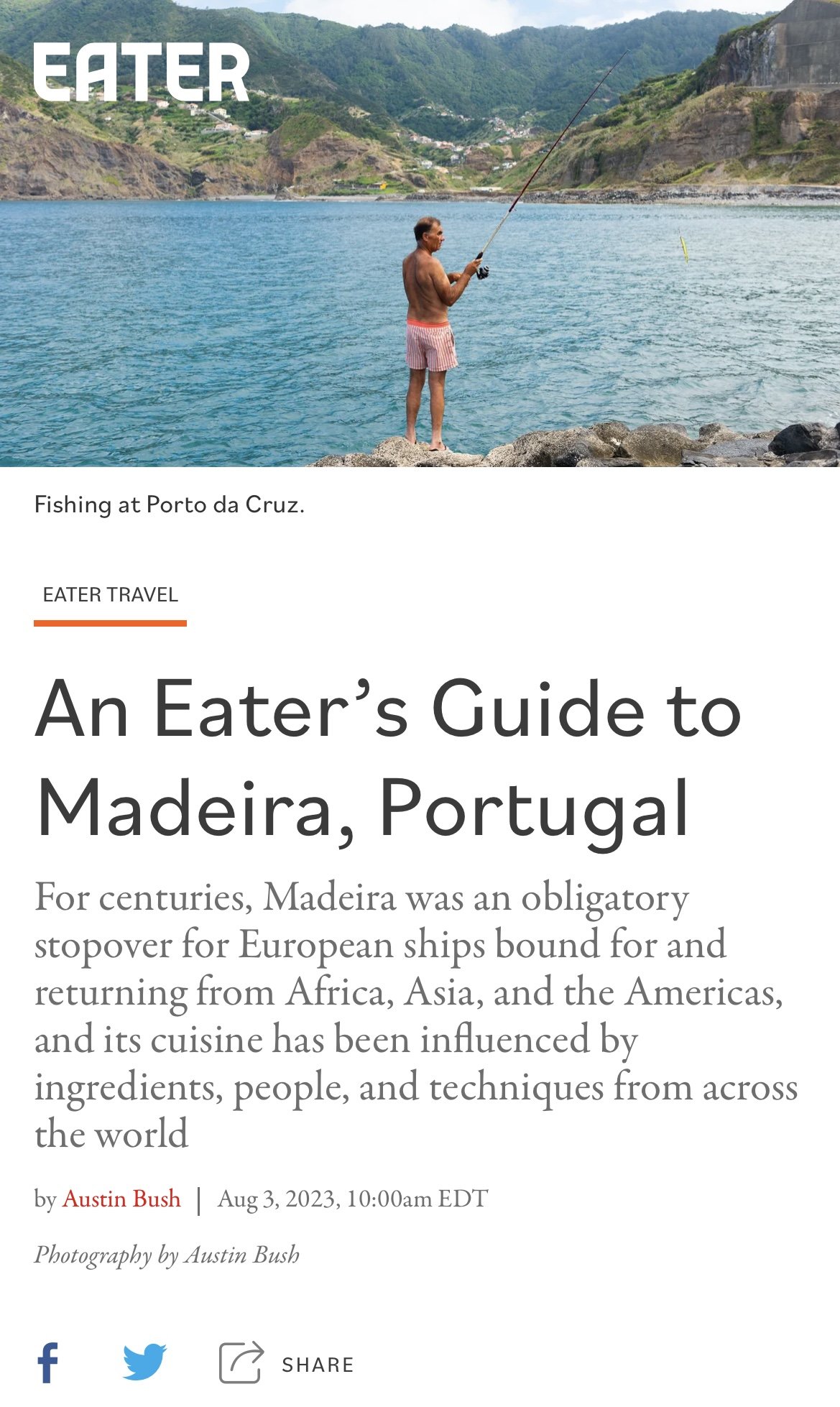
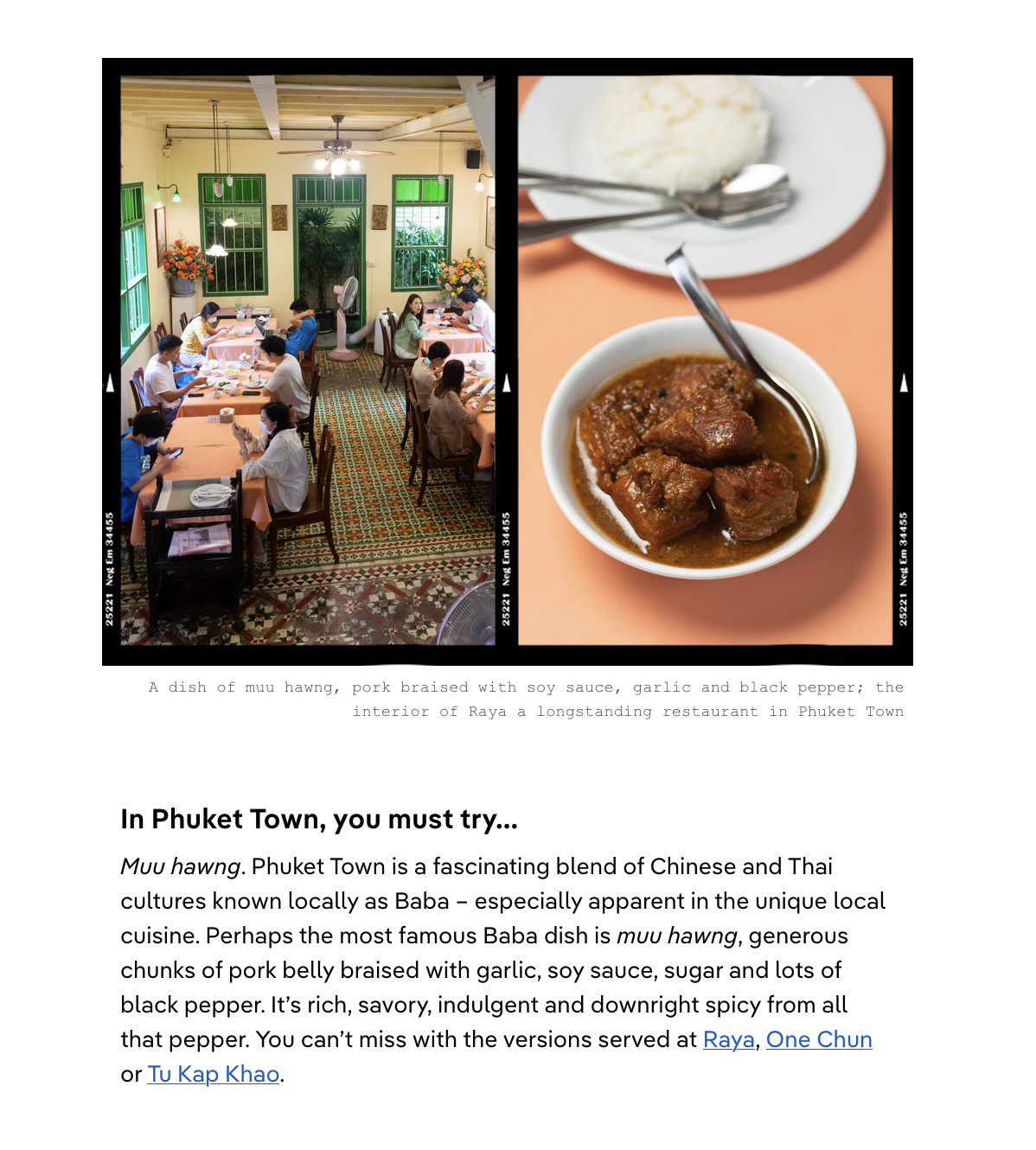
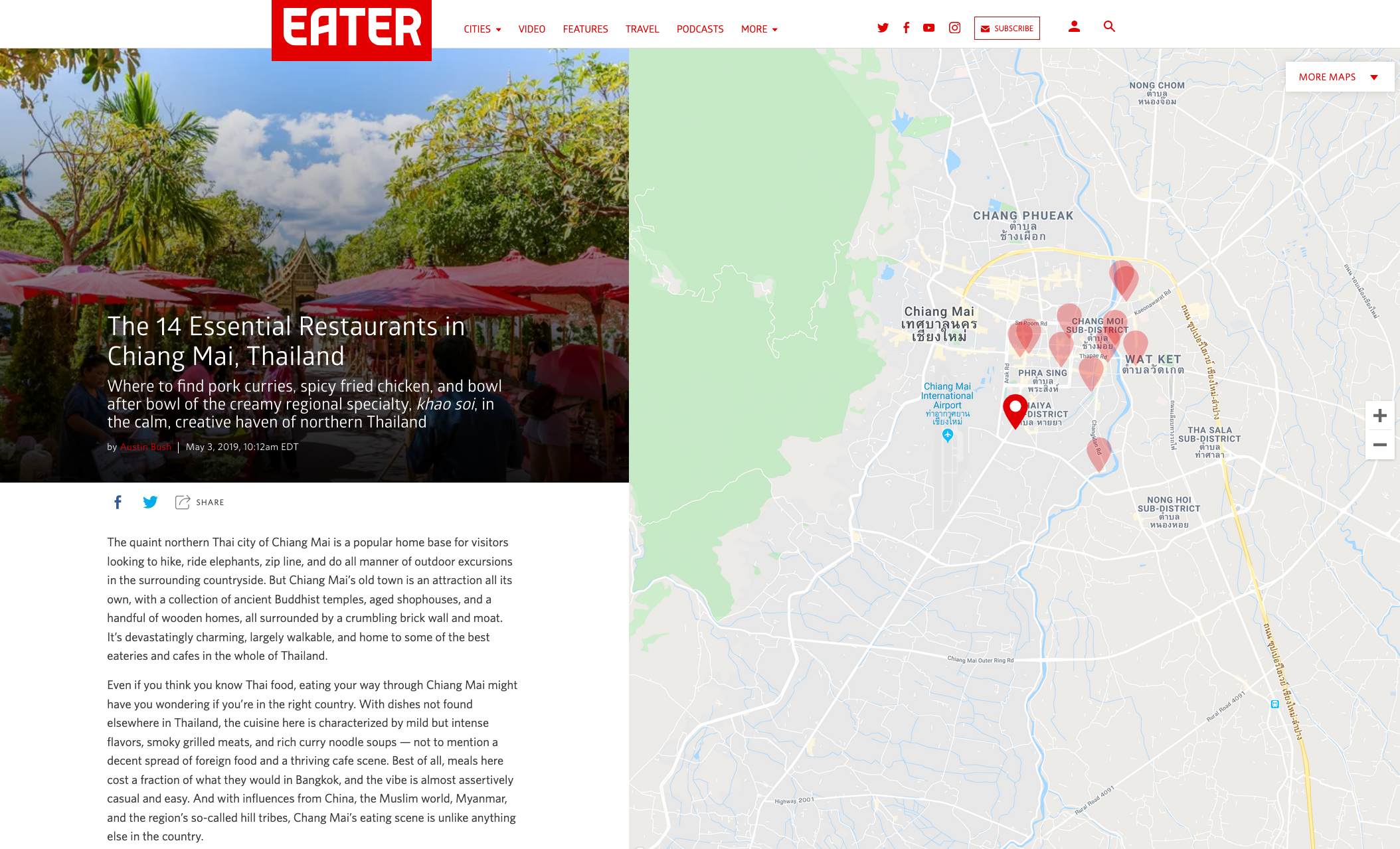
Click here to go to article: “An Eater’s Guide to Phuket, Thailand’s Island Hotspot,” text and photos, Eater
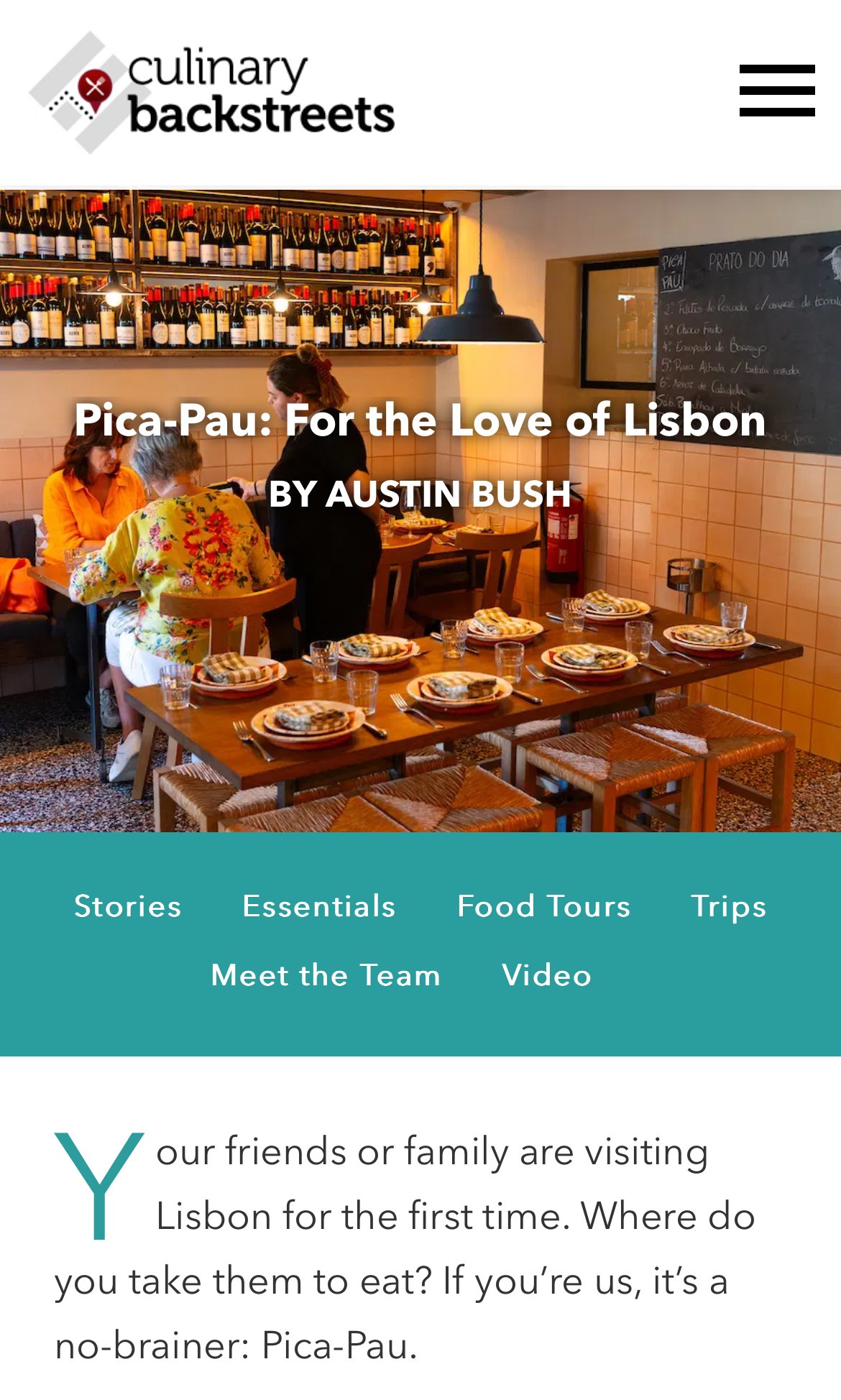
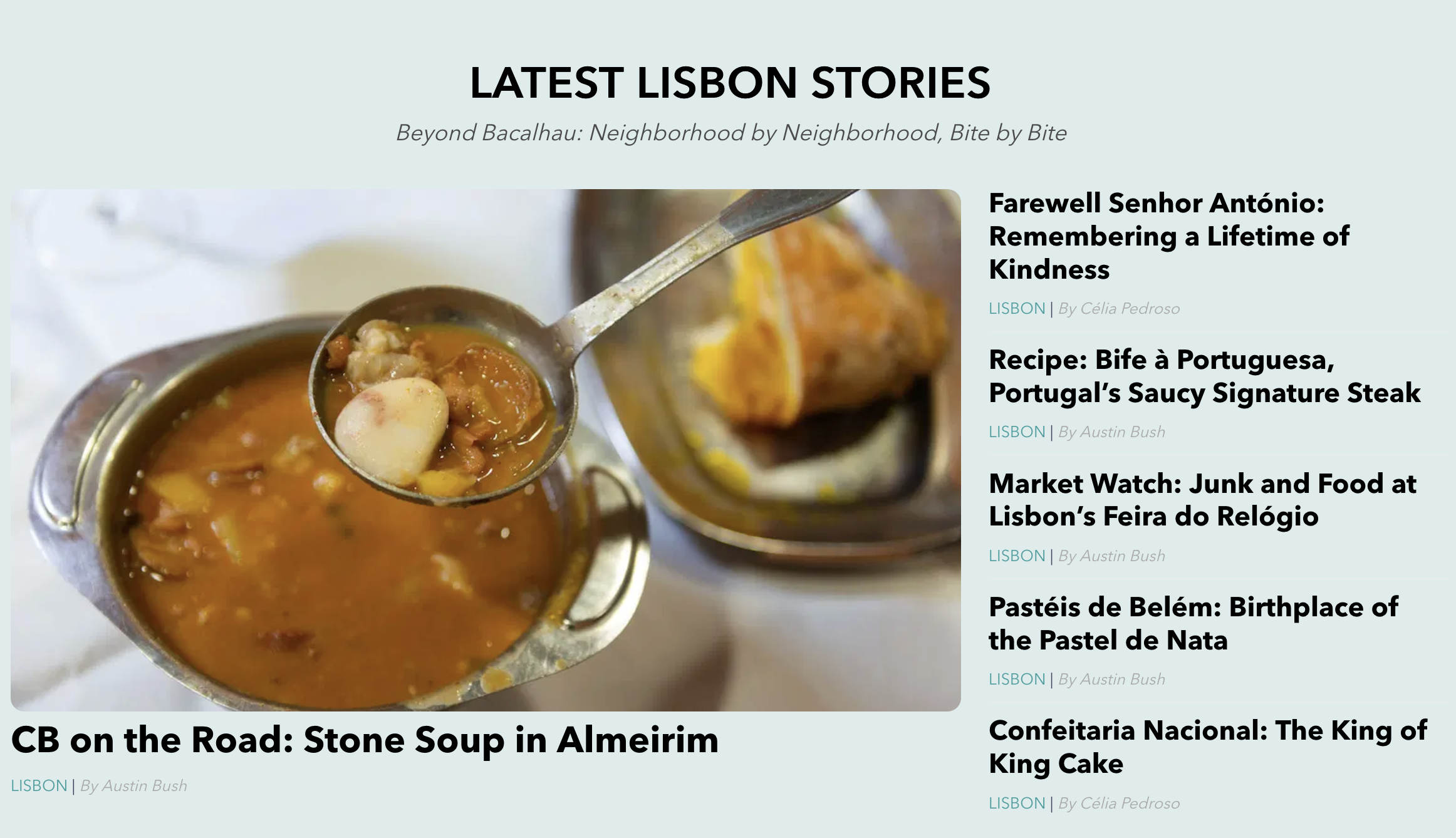
Click here to go to article: “Pica-Pau: For the Love of Lisbon,” text and photos, Culinary Backstreets
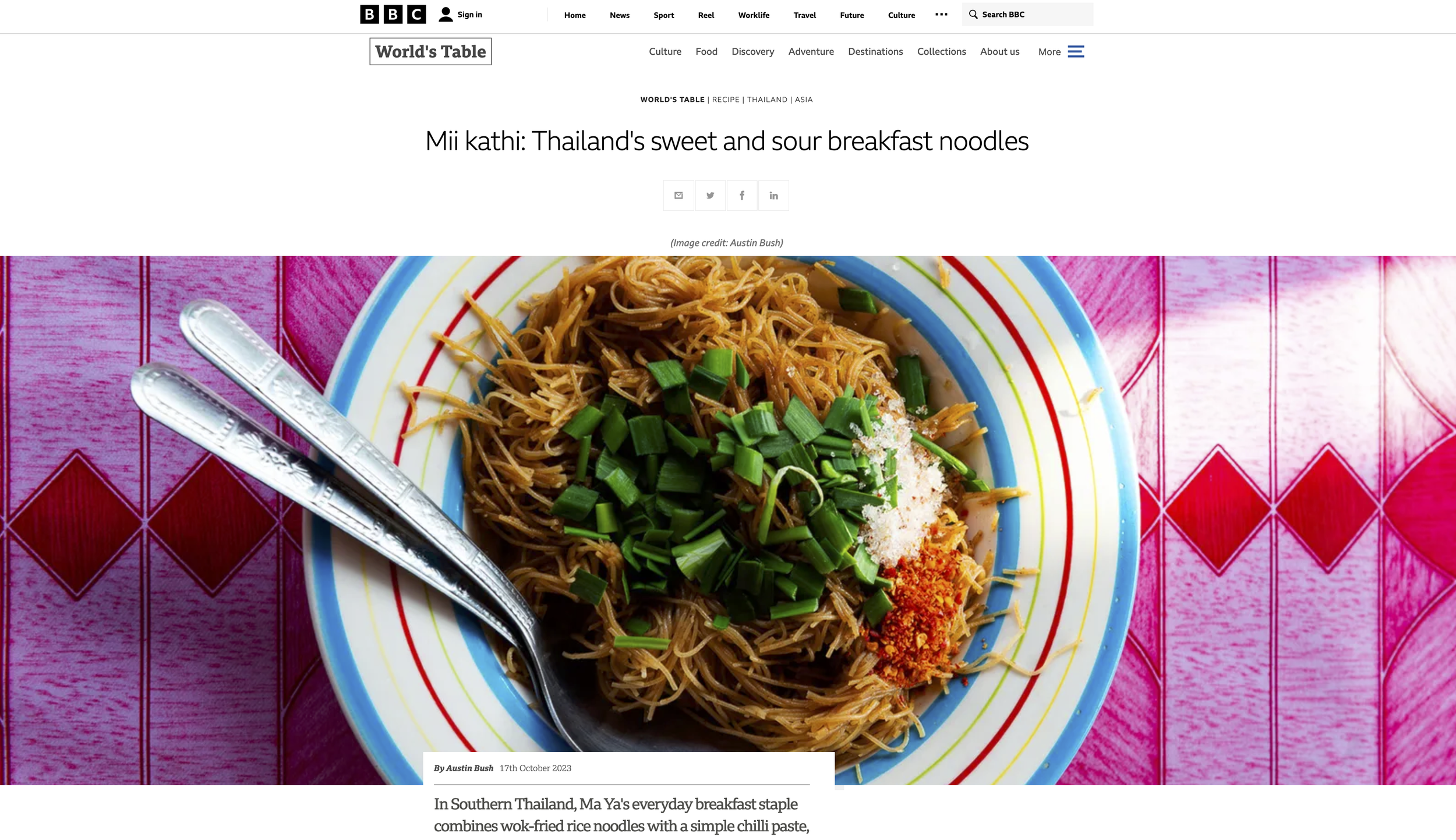
Click here to go to article: “Mii kathi: Thailand's sweet and sour breakfast noodles,” text and photos, BBC World’s Table
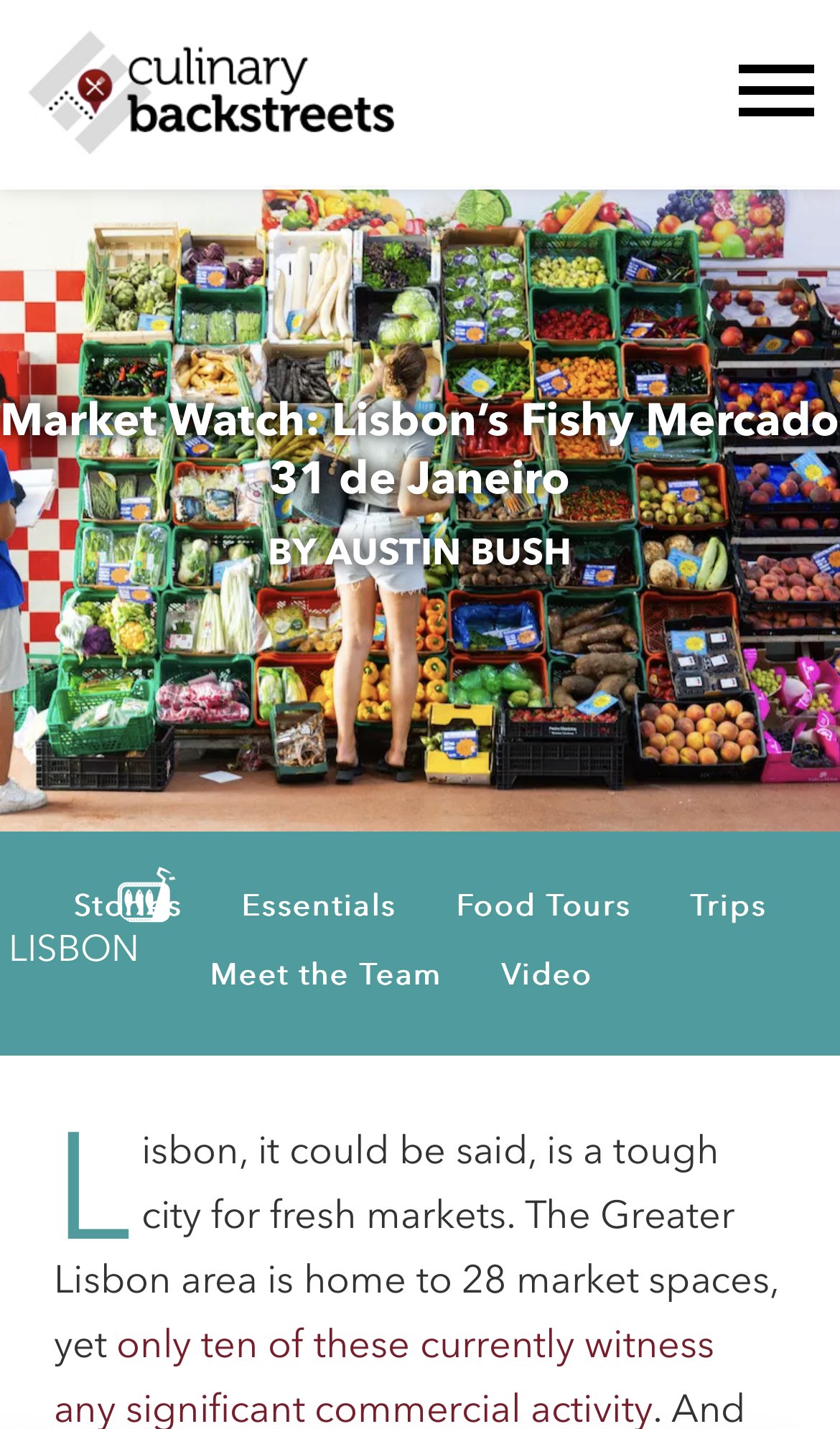
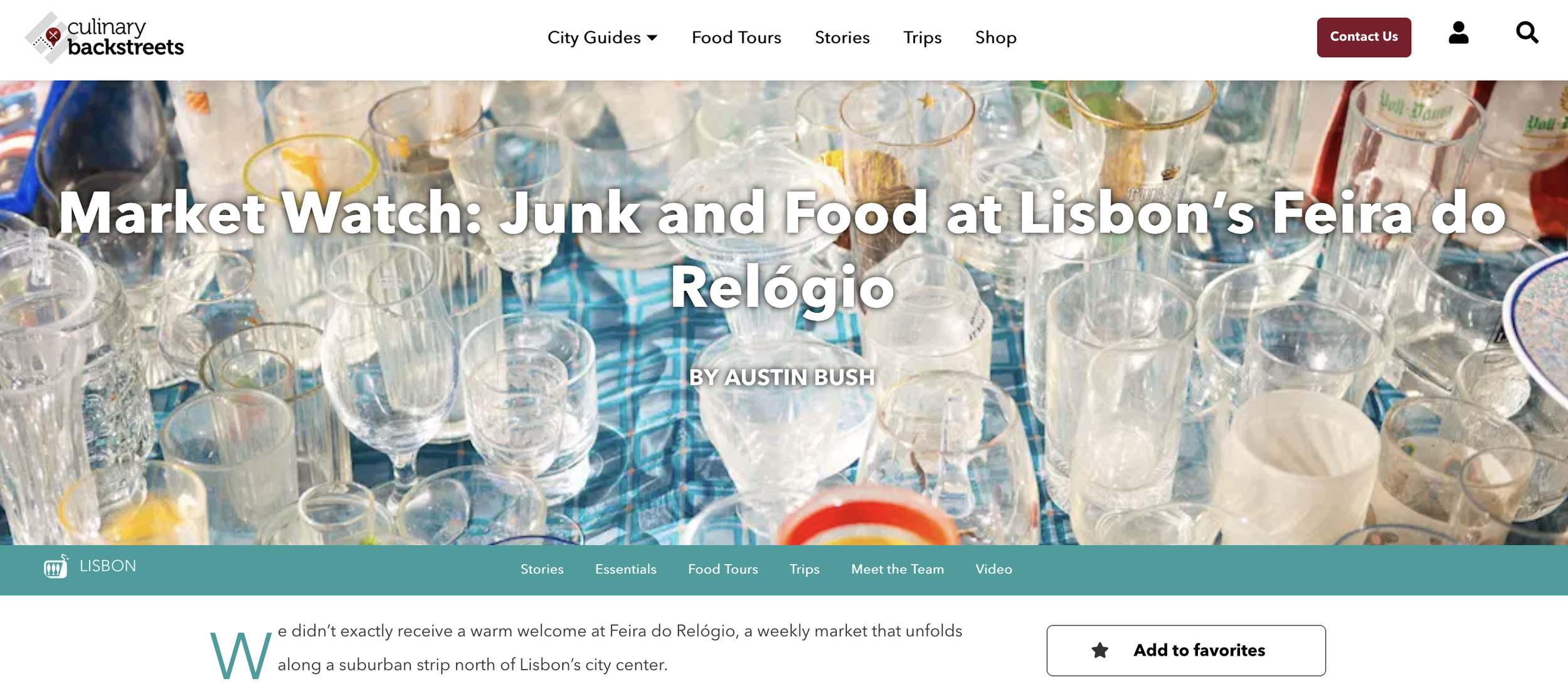
Click here to go to article: “Market Watch: Lisbon’s Fishy Mercado 31 de Janeiro,” text and photos, Culinary Backstreets
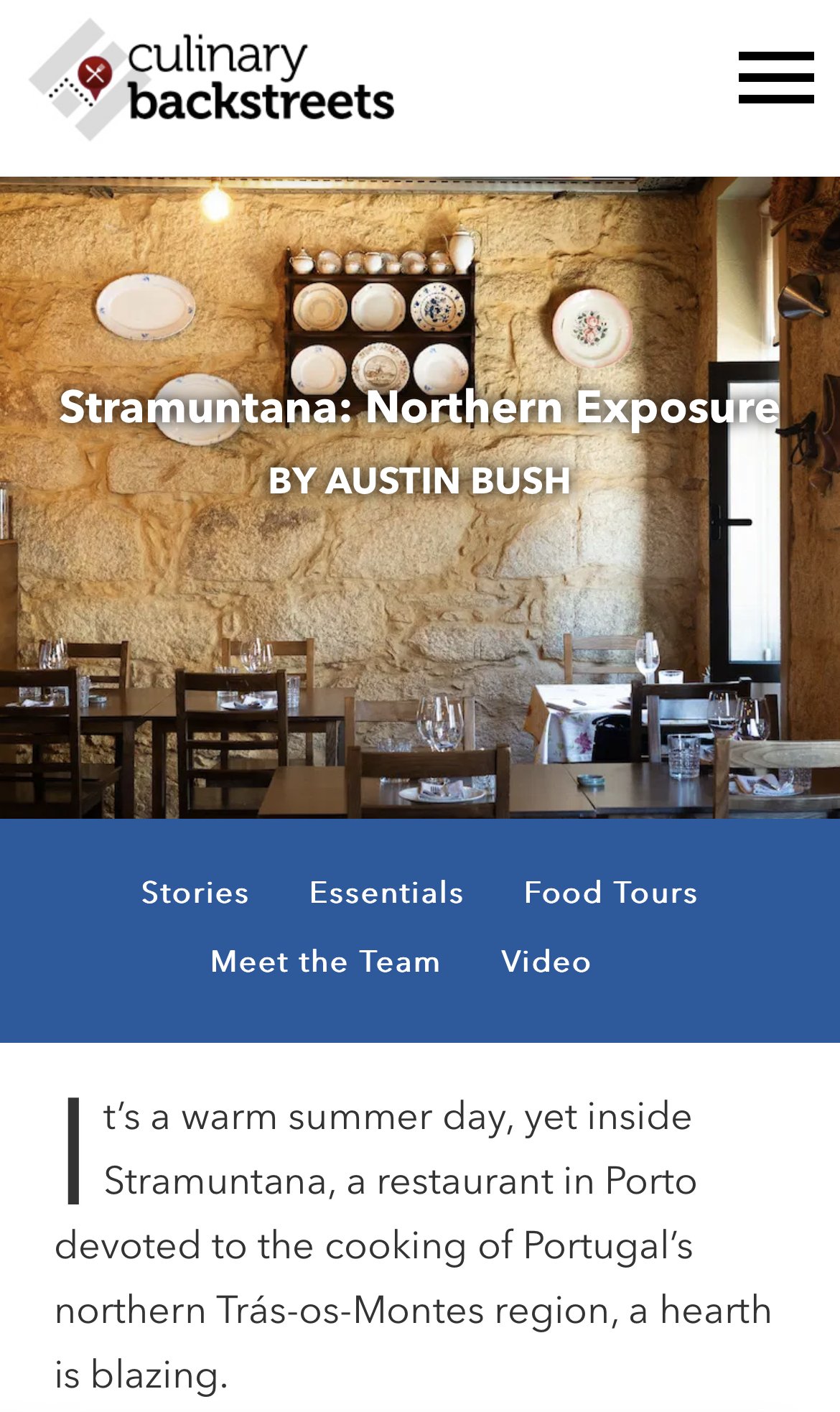
Click here to go to article: “Stramuntana: Northern Exposure,” text and photos, Culinary Backstreets
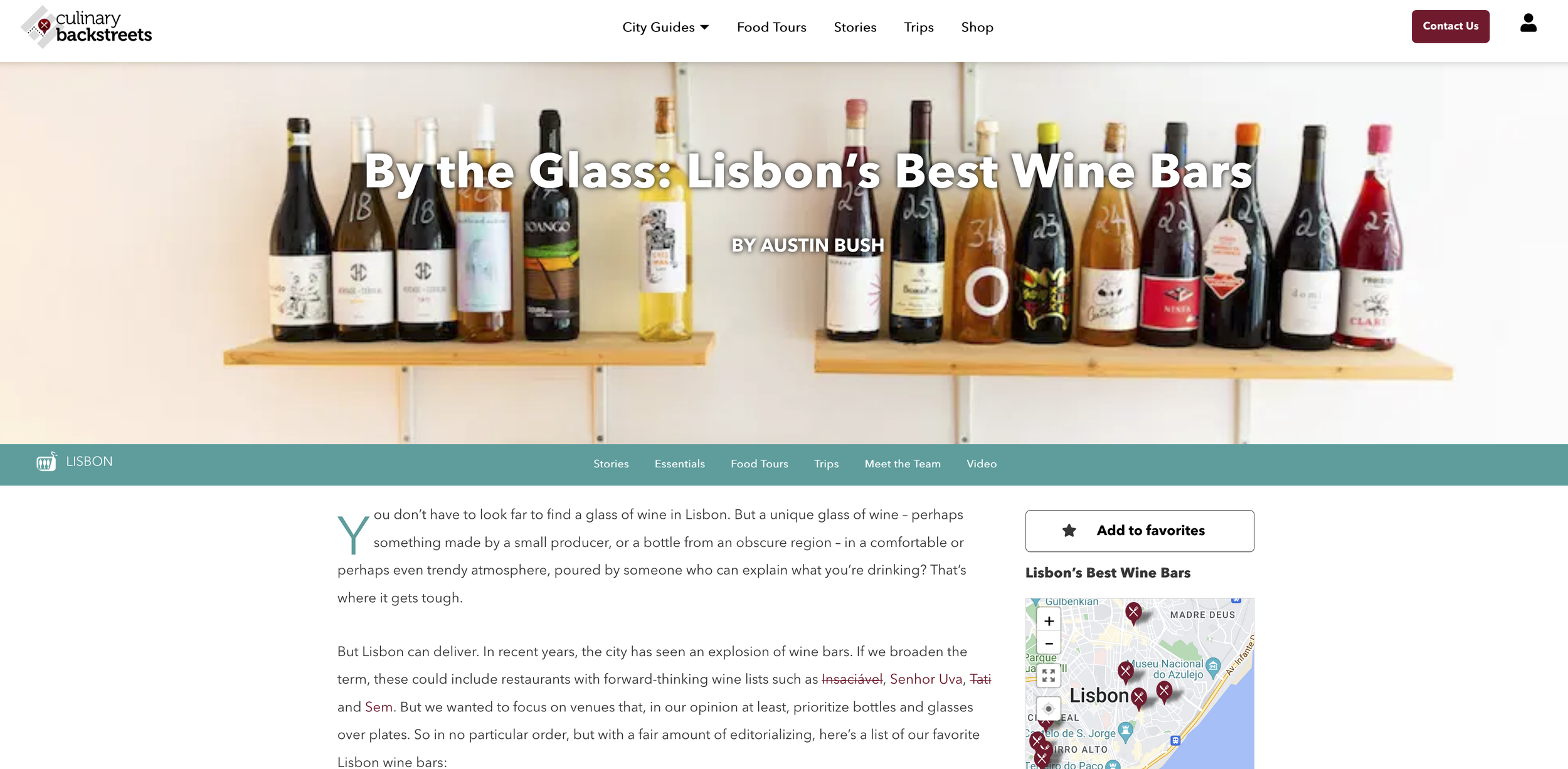
Click here to go to article: “By the Glass: Lisbon’s Best Wine Bars,” text and photos, Culinary Backstreets
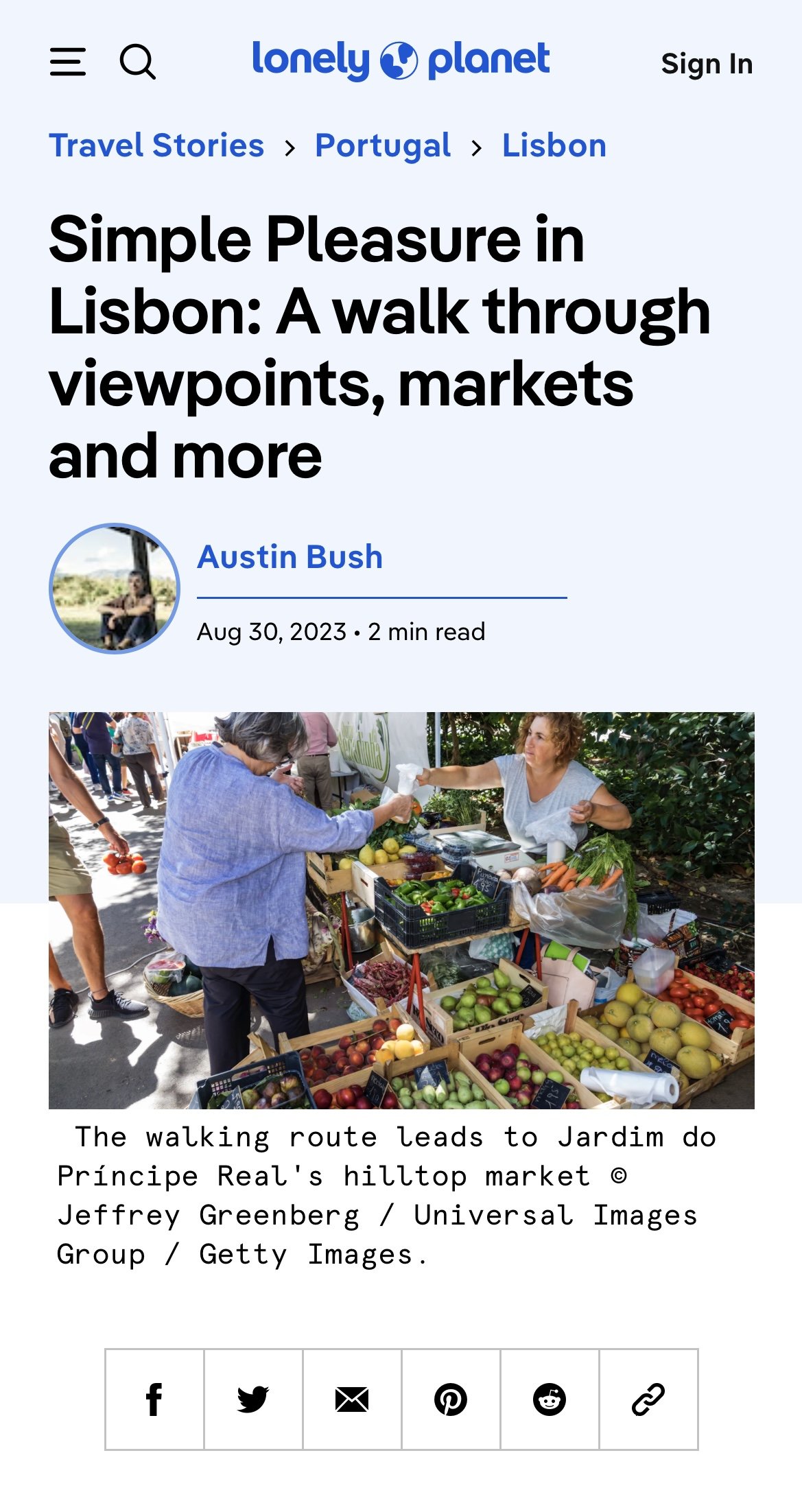
Click here to go to article: "Simple Pleasure in Lisbon: A walk through viewpoints, markets and more,” text, Lonely Planet
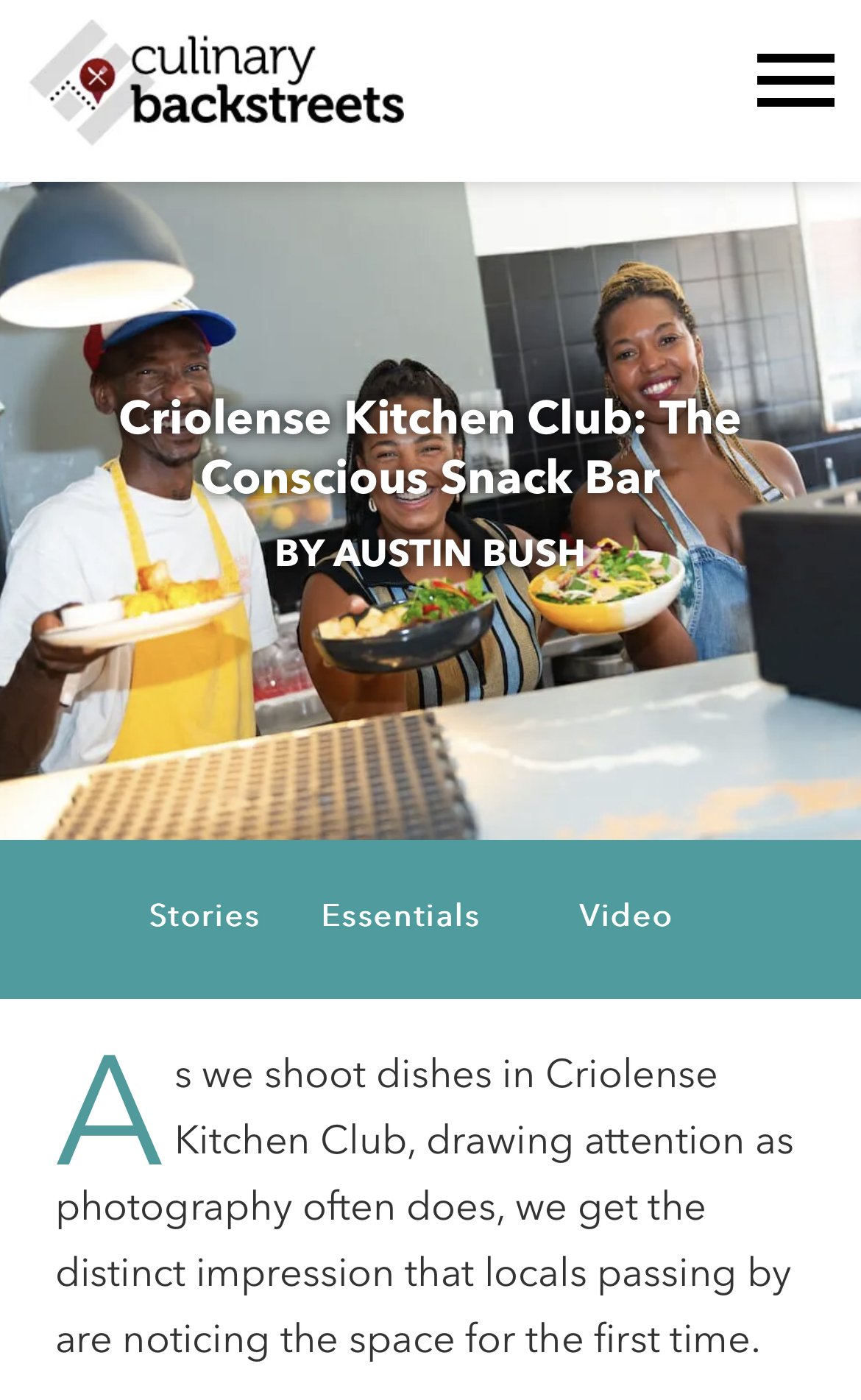
Click here to go to article: “Criolense Kitchen Club: The Conscious Snack Bar,” text and photos, Culinary Backstreets
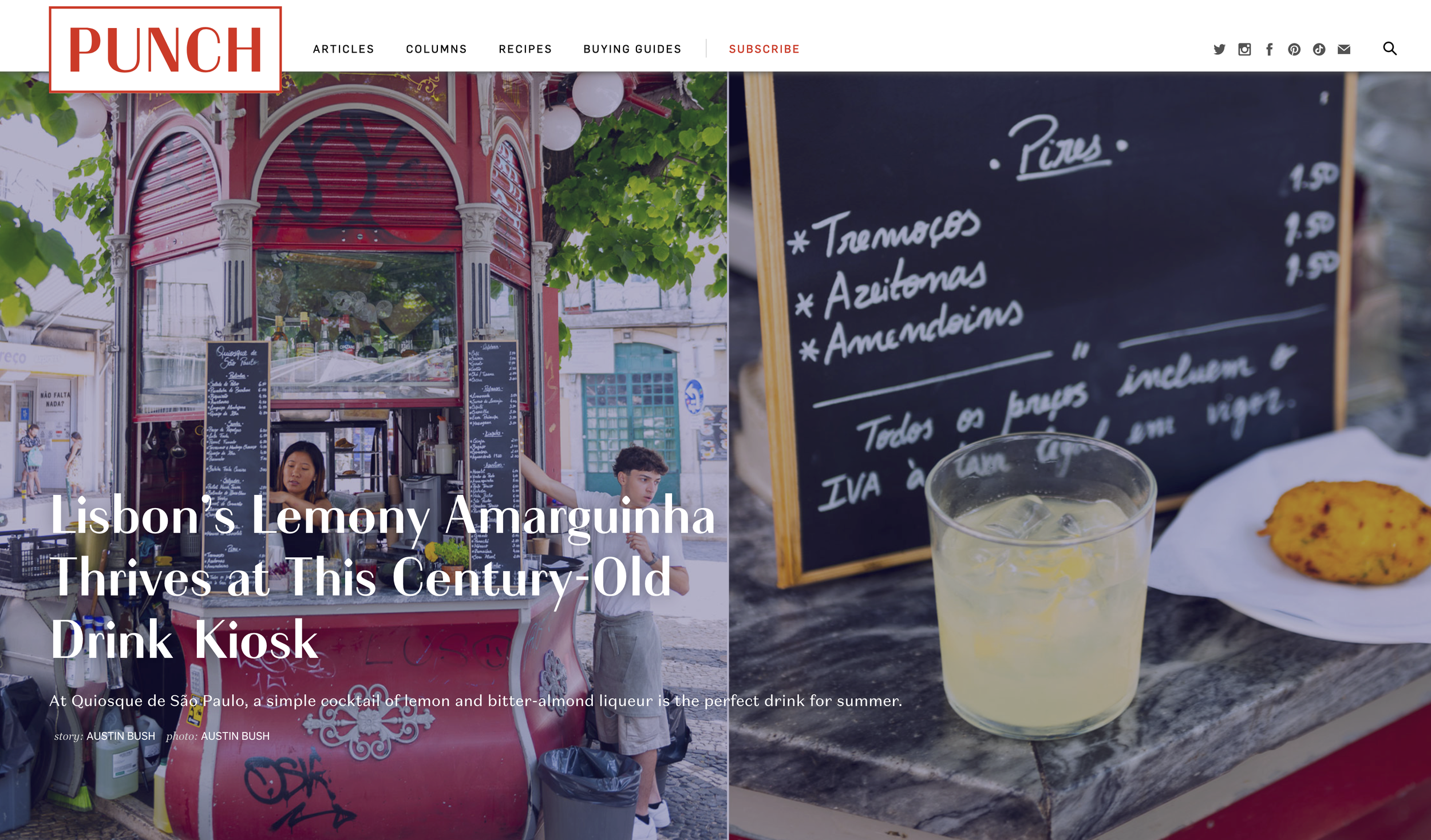
Click here to go to article: “Lisbon’s Lemony Amarguinha Thrives at This Century-Old Drink Kiosk,” text and photos, PUNCH
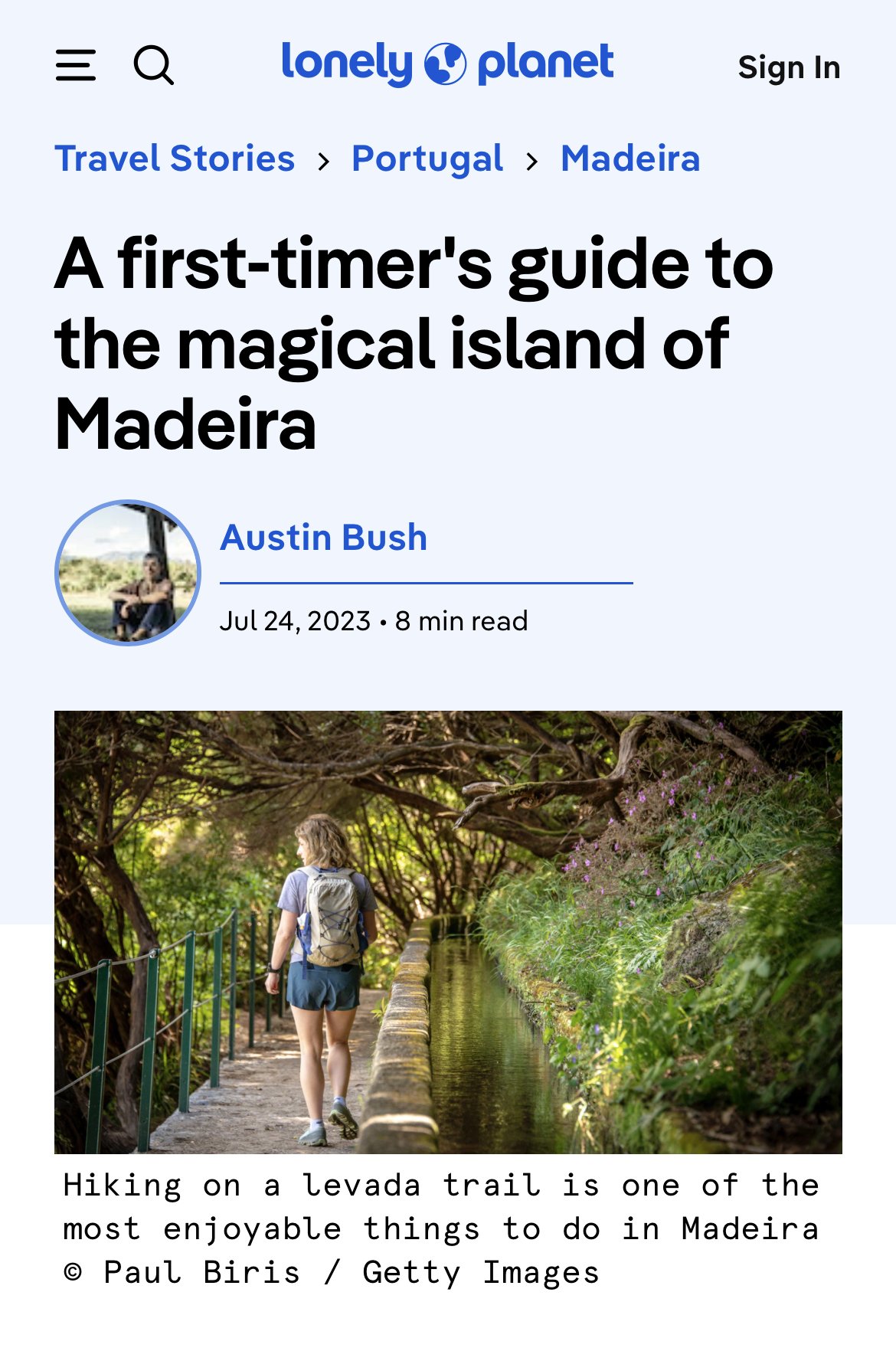
Click here to go to article: "A first-timer's guide to the magical island of Madeira," Lonely Planet
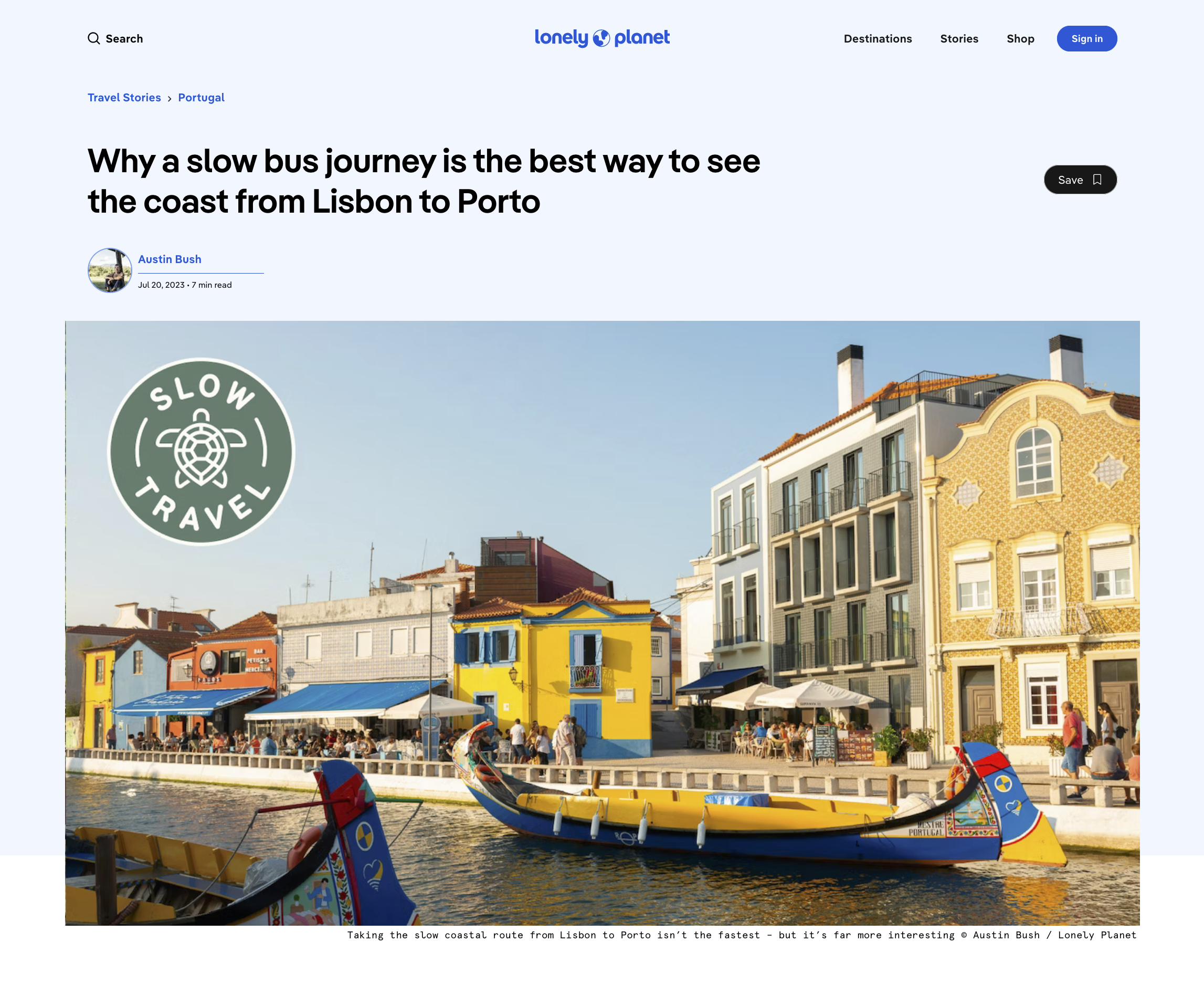
Click here to go to article: “Why a slow bus journey is the best way to see the coast from Lisbon to Porto,” text and photos, Lonely Planet
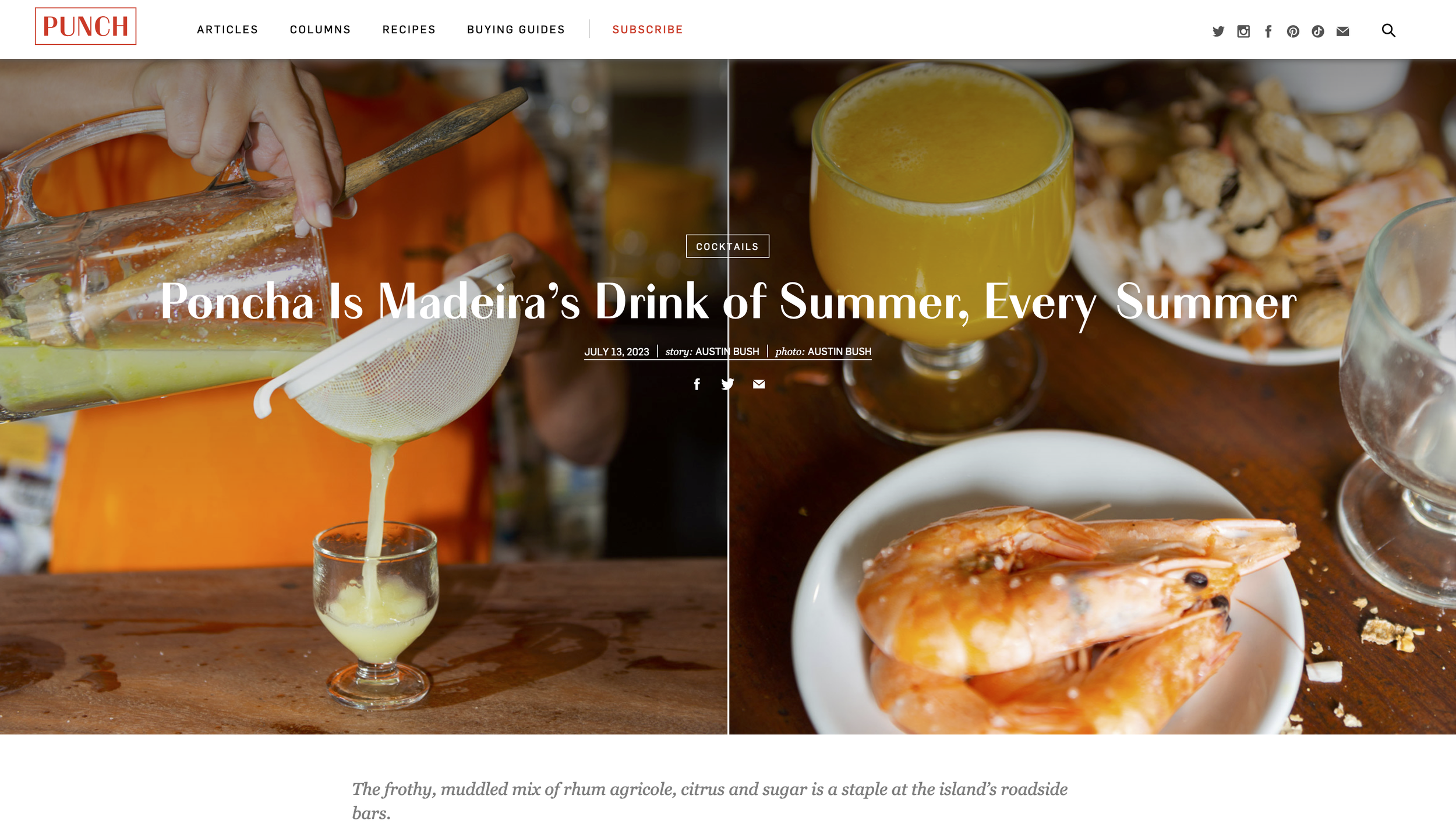
Click here to go to article: “Poncha Is Madeira’s Drink of Summer, Every Summer,” text and photos, PUNCH
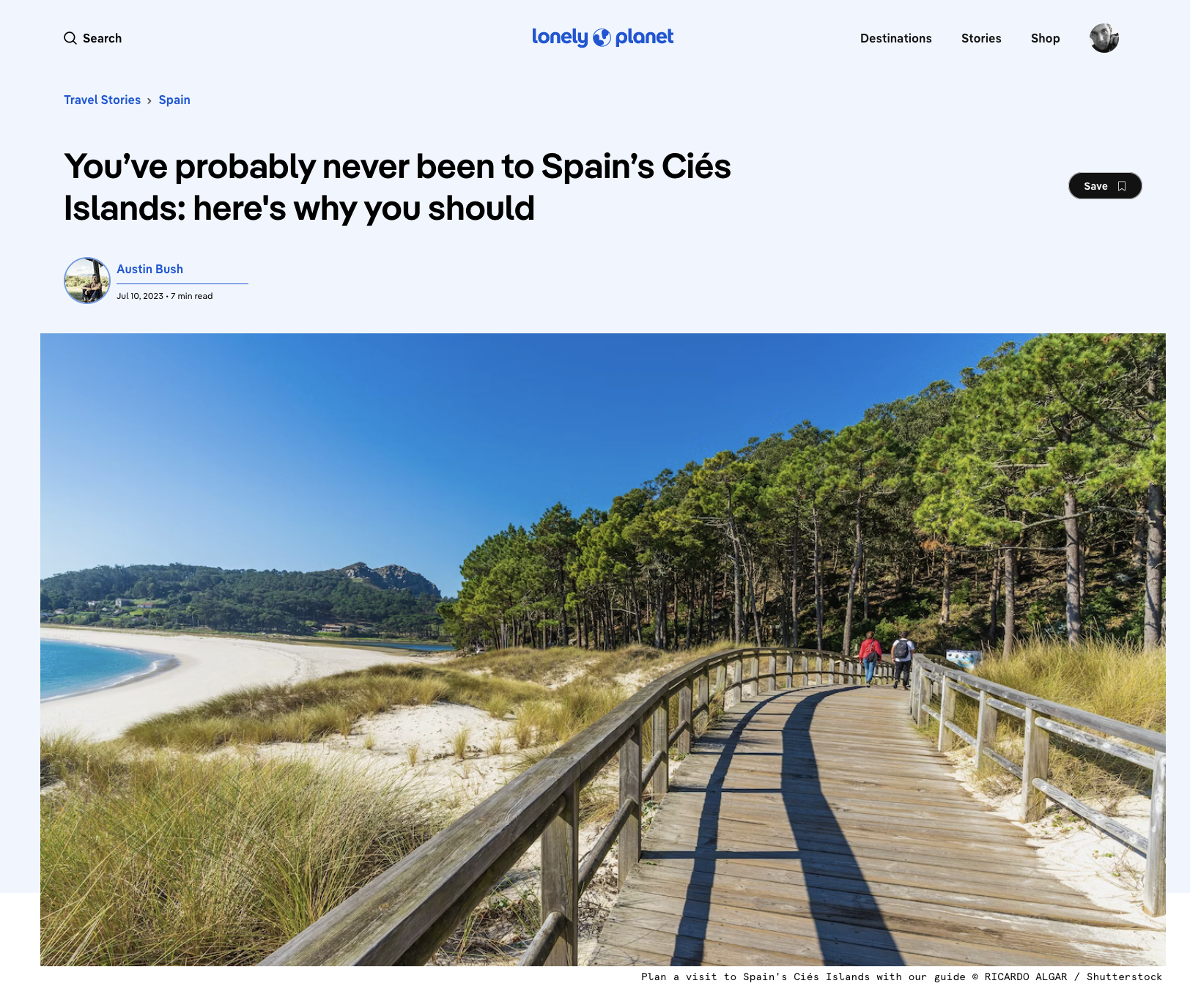
Click here to go to article: “You’ve probably never been to Spain’s Ciés Islands: here's why you should,” text and photos, Lonely Planet
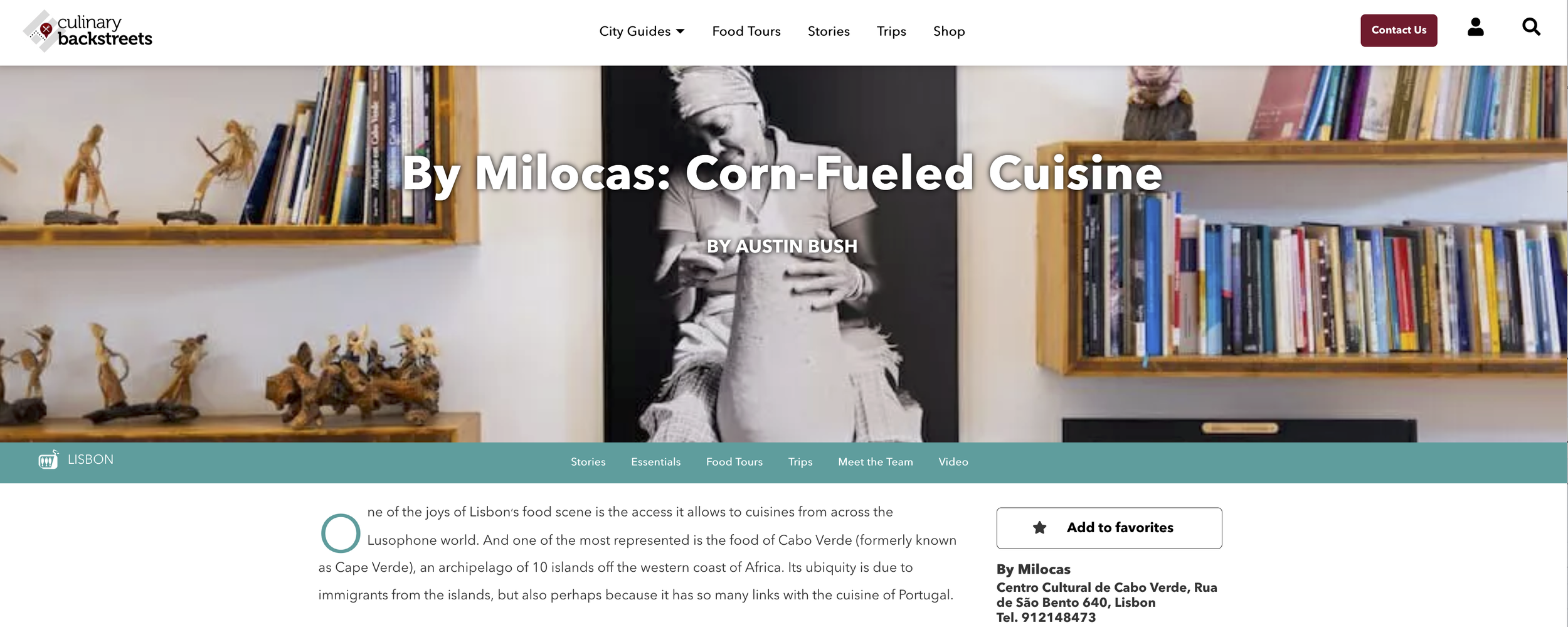
Click here to go to article: “By Milocas: Corn-Fueled Cuisine,” text and photos, Culinary Backstreets
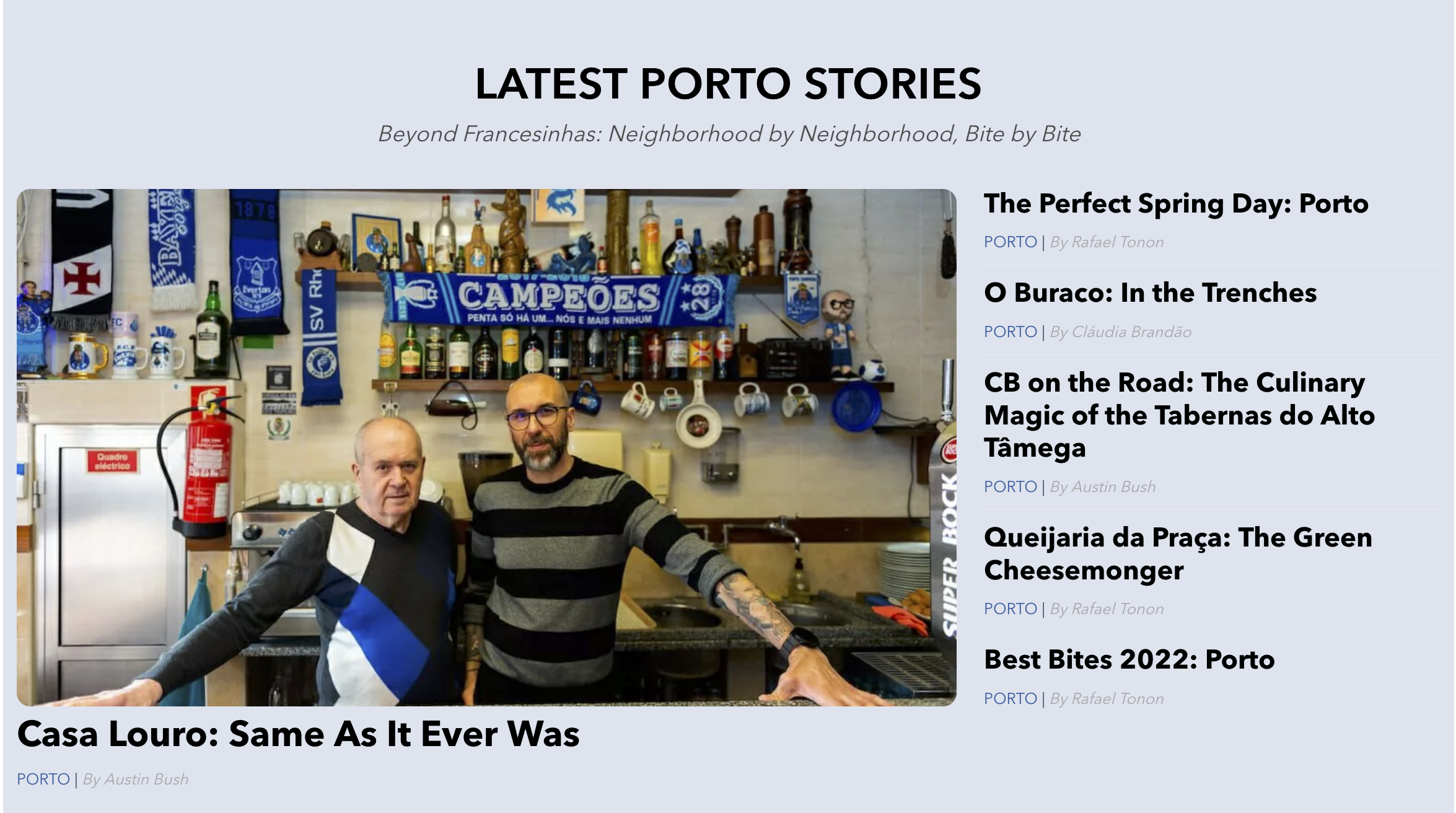
Click here to go to article: “Casa Louro: Same As It Ever Was,” text and photos, Culinary Backstreets
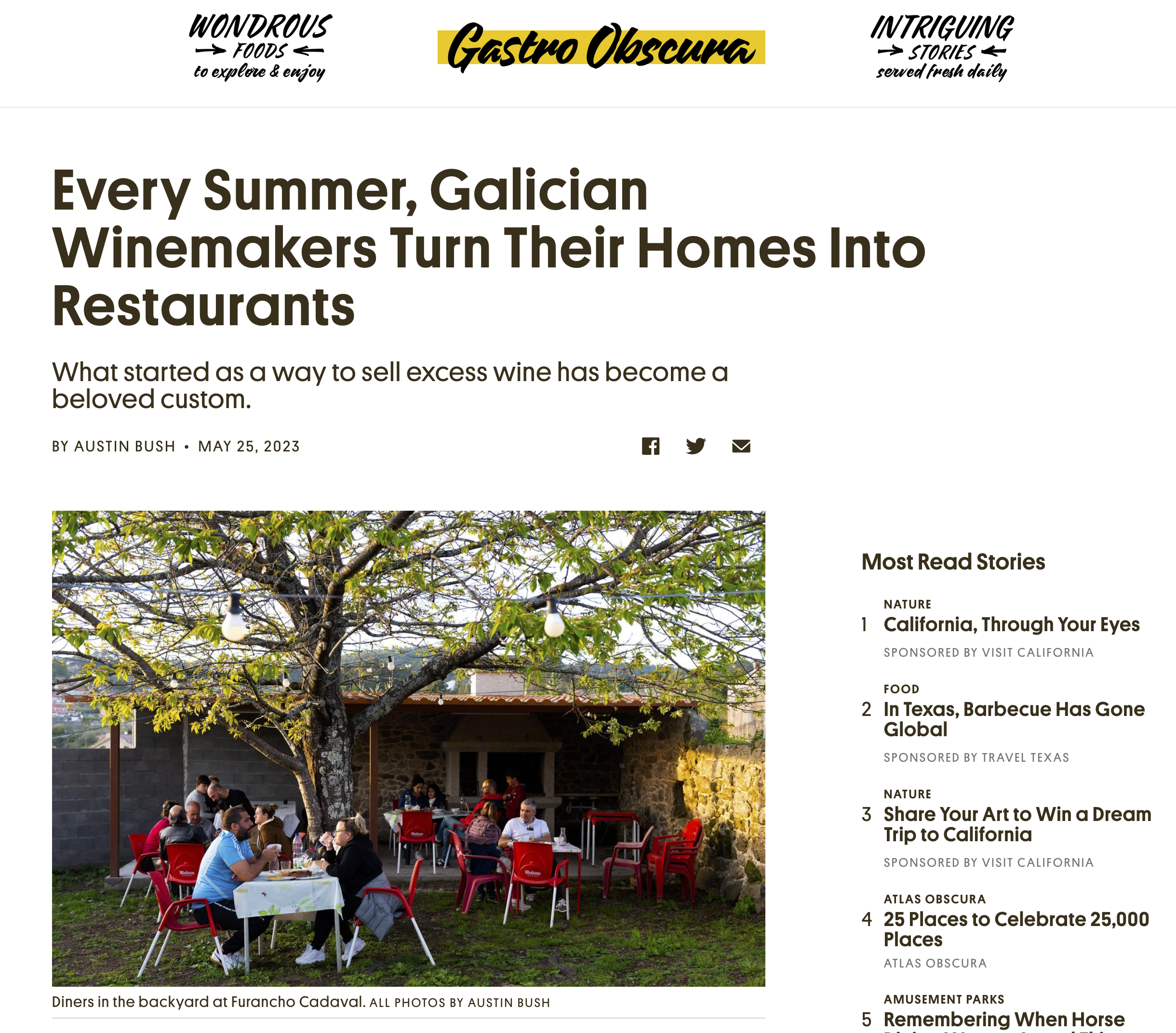
Text & photos: “Every Summer, Galician Winemakers Turn Their Homes Into Restaurants,” Gastro Obscura
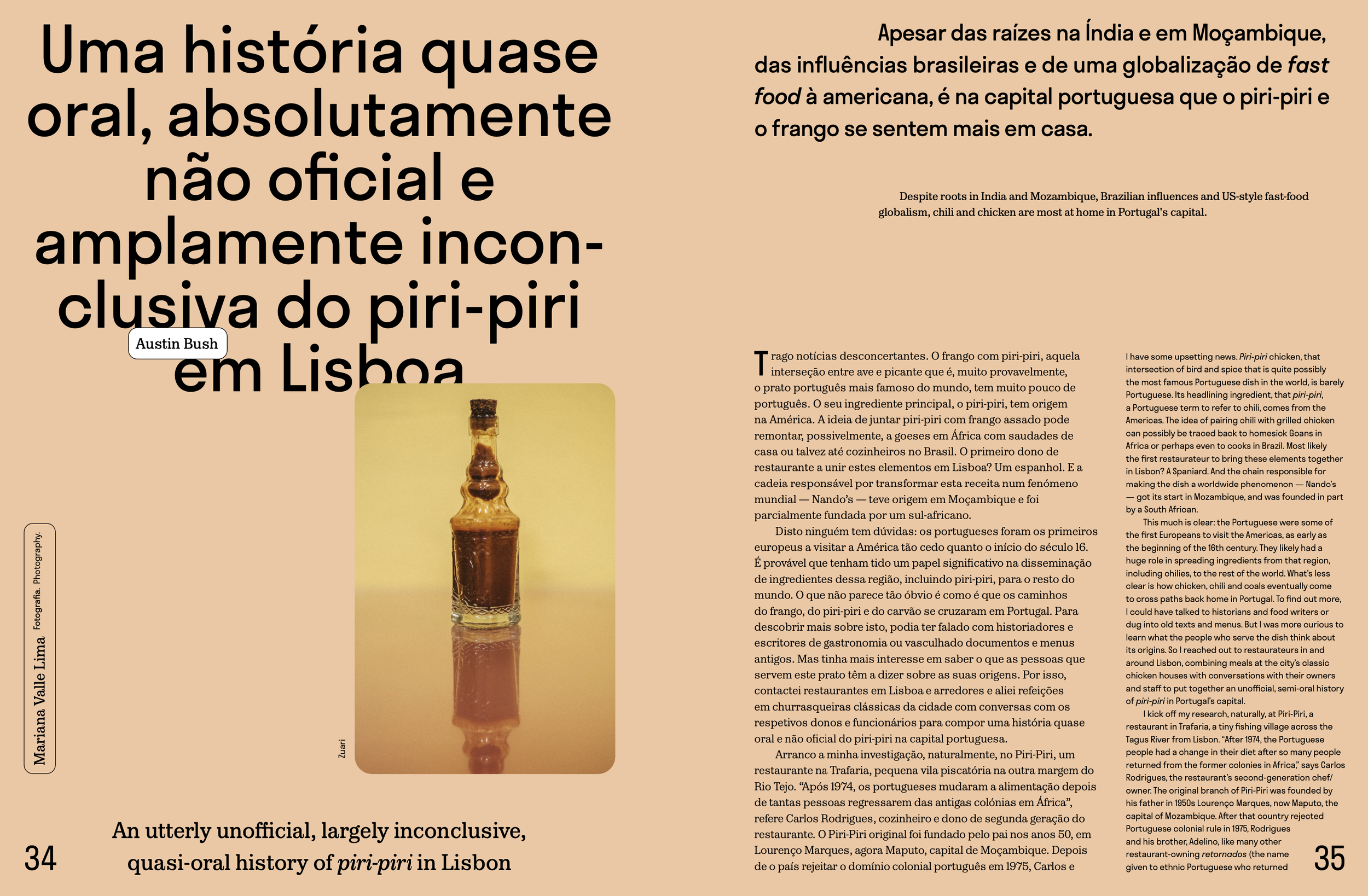
Text: “An utterly unofficial, largely inconclusive, quasi-oral history of piri-piri in Lisbon, FARTA
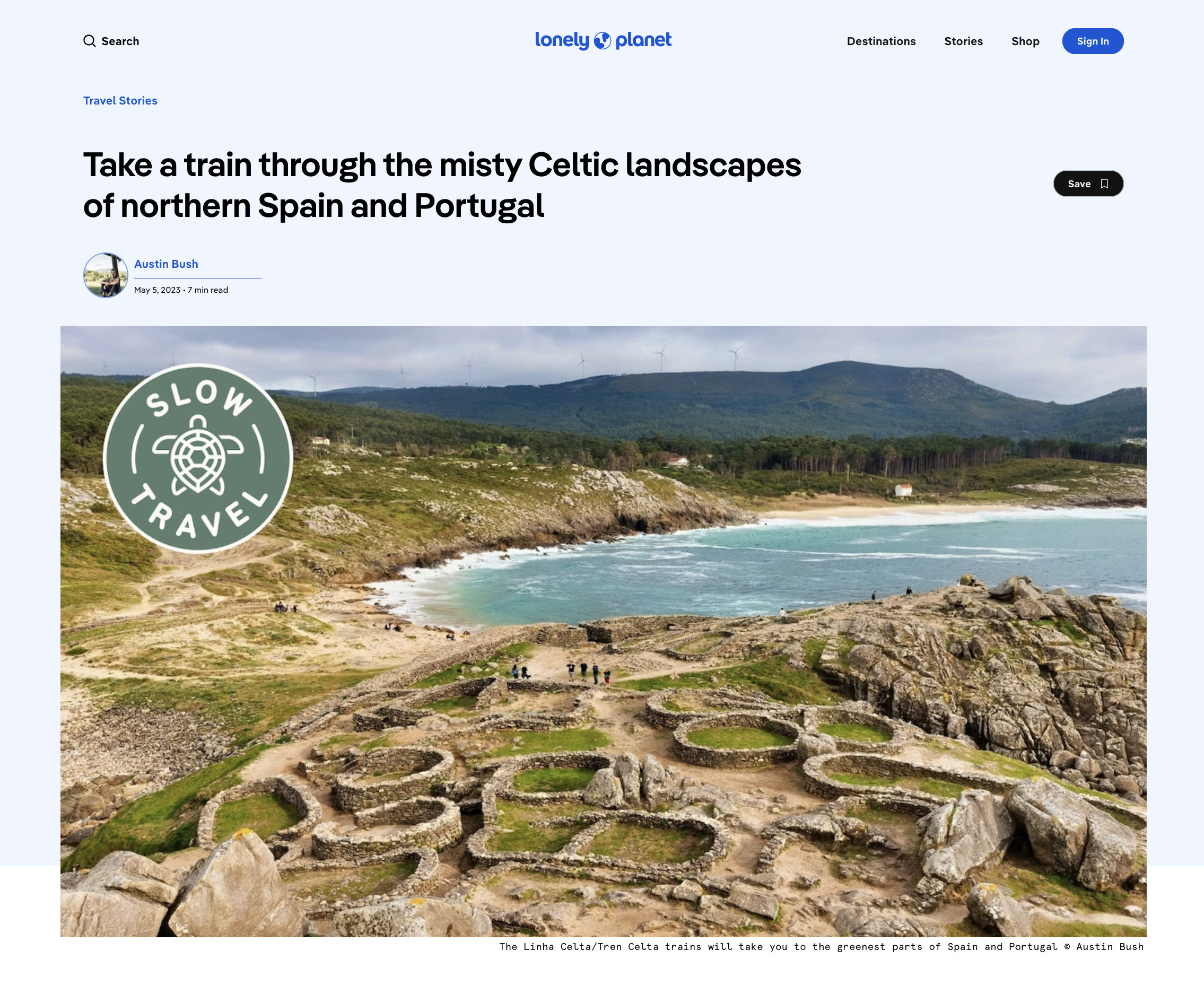
Text & photos: “Take a train through the misty Celtic landscapes of northern Spain and Portugal,” Lonely Planet

Text & photos, "Taking the train from Lisbon to Madrid is a slow journey - but the stopovers (and views) make it special," Lonely Planet
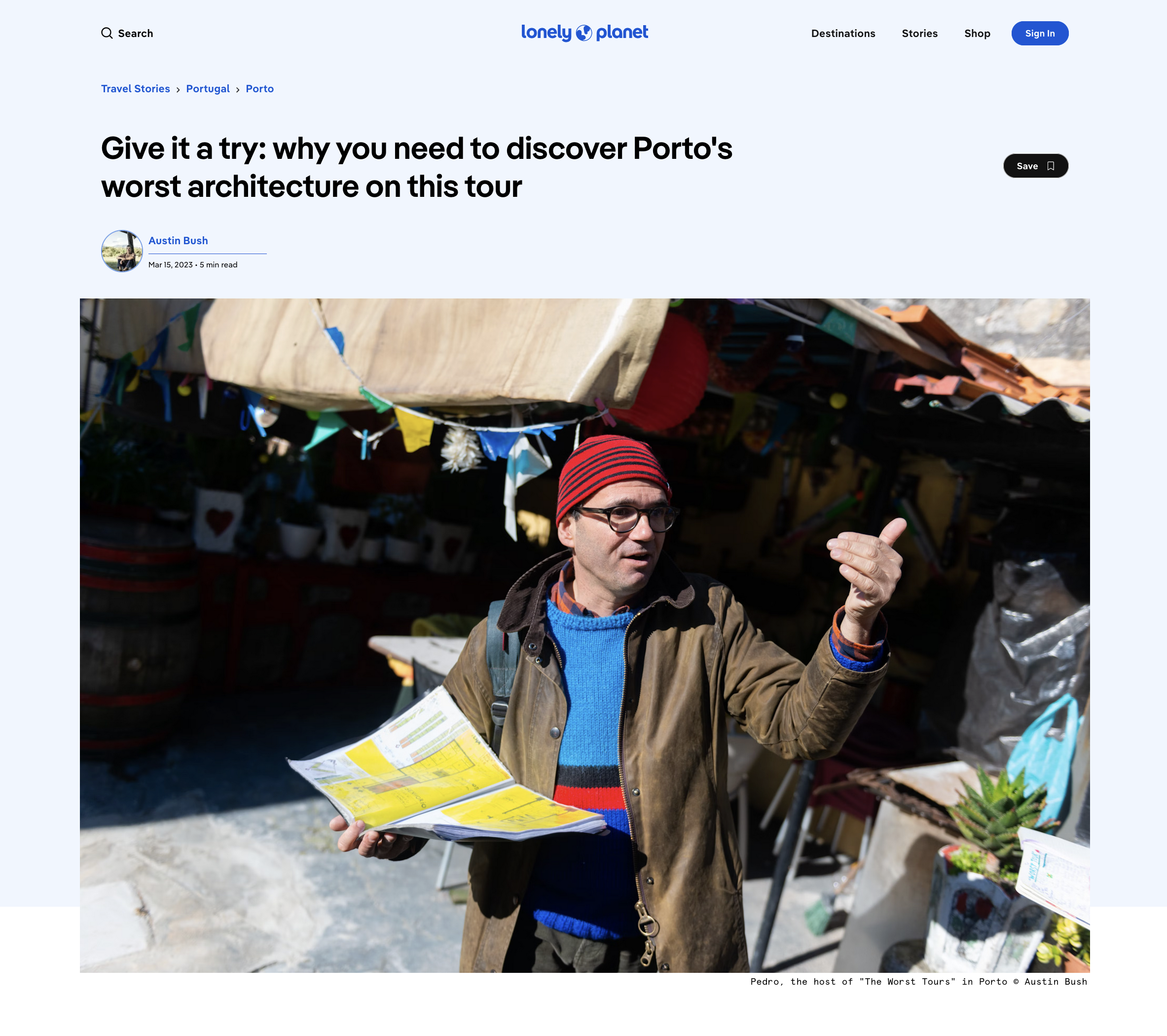
Text & photos: “Give it a try: why you need to discover Porto's worst architecture on this tour,” Lonely Planet

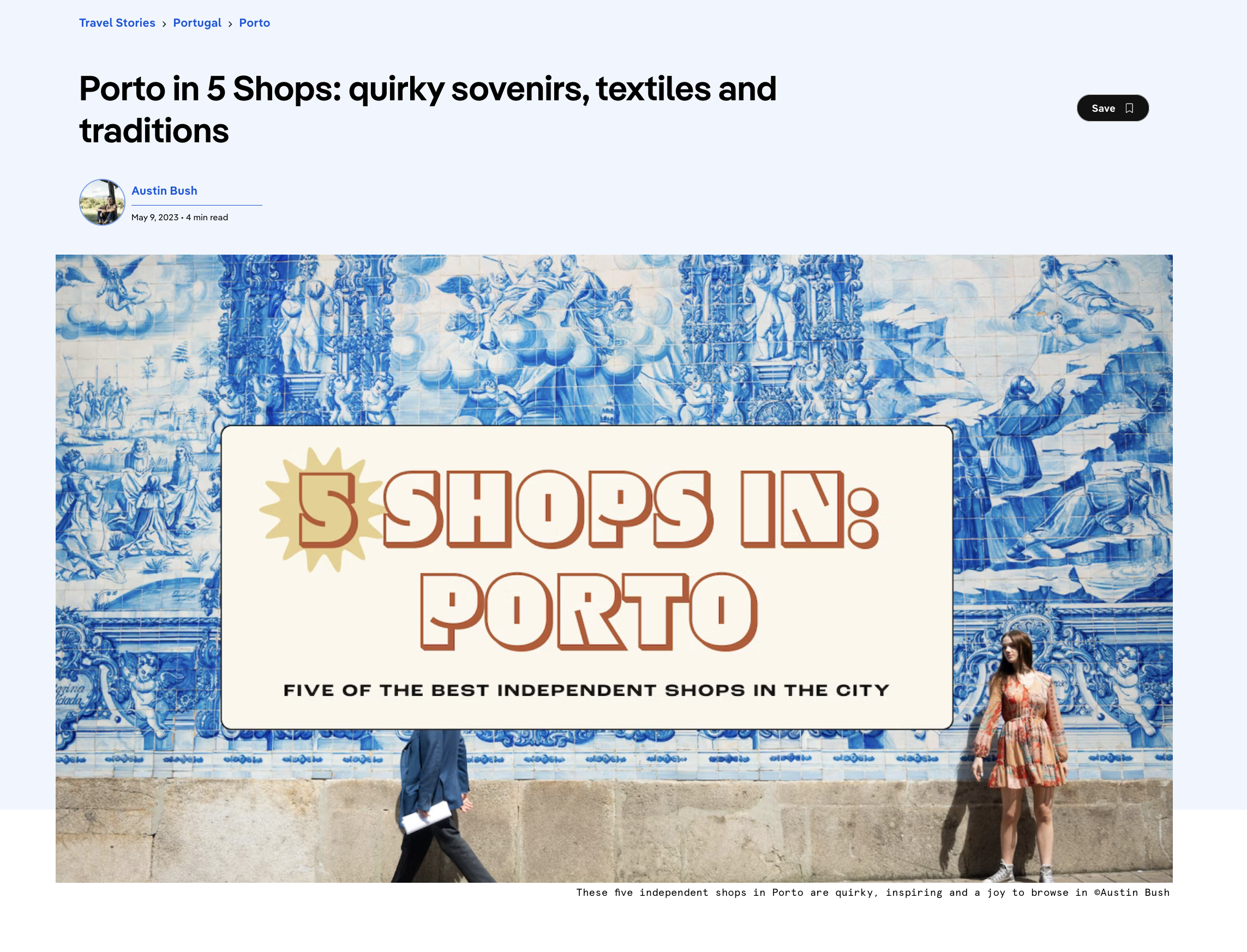
Text & photos: “Spending diaries: What I spent on a cheap-ish weekend trip to Porto, Portugal,” Lonely Planet
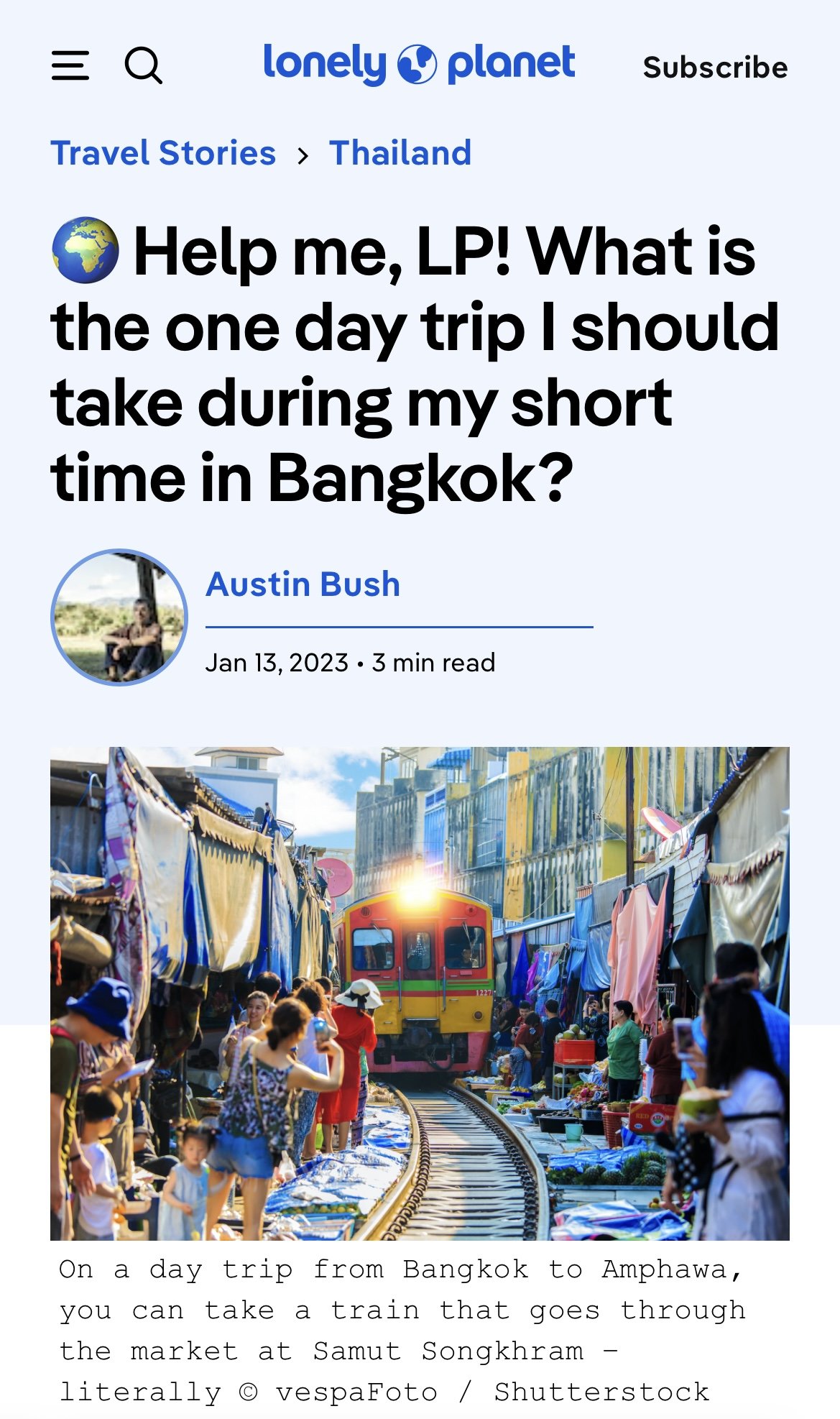
Text: “Help me, LP! What is the one day trip I should take during my short time in Bangkok?” Lonely Planet
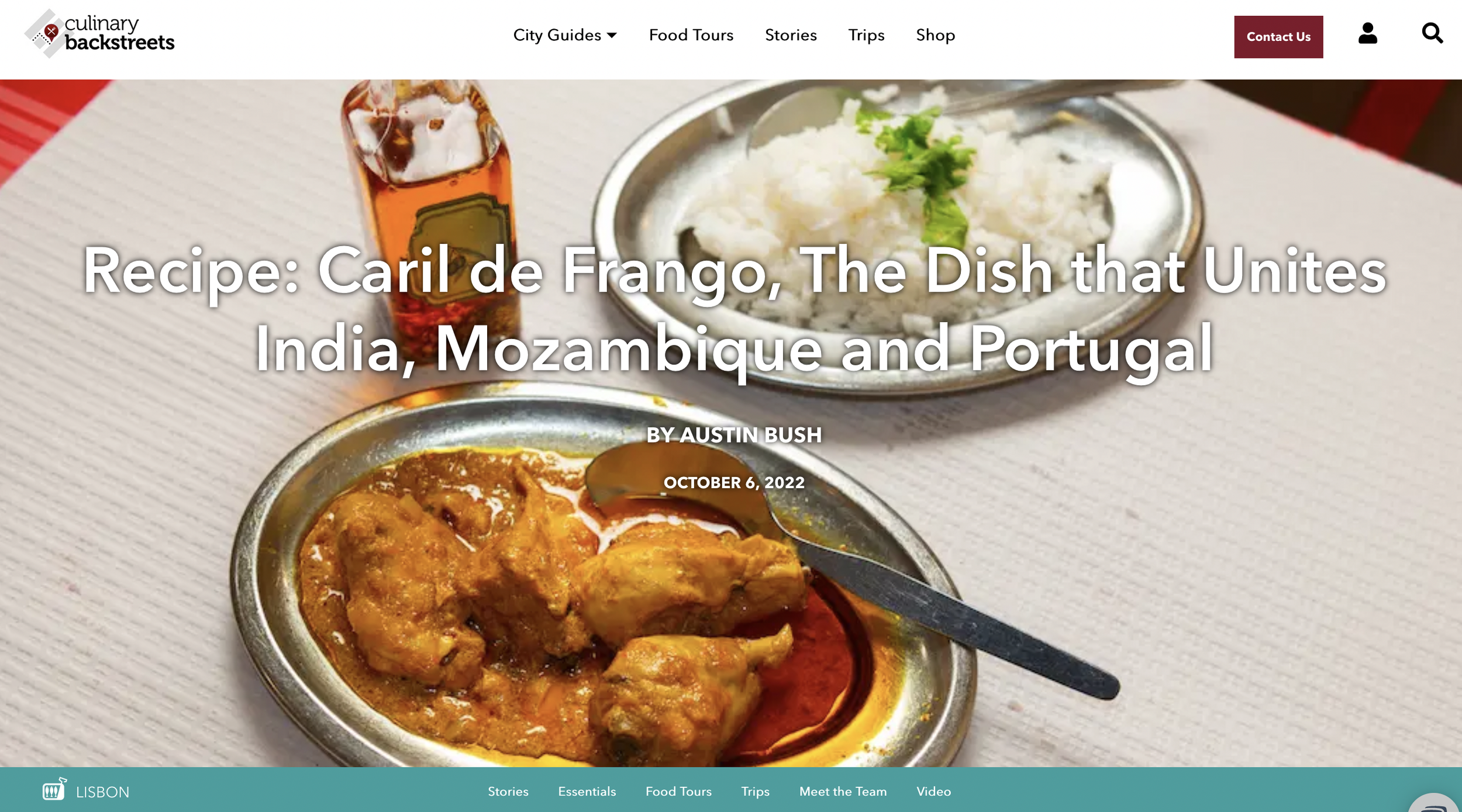
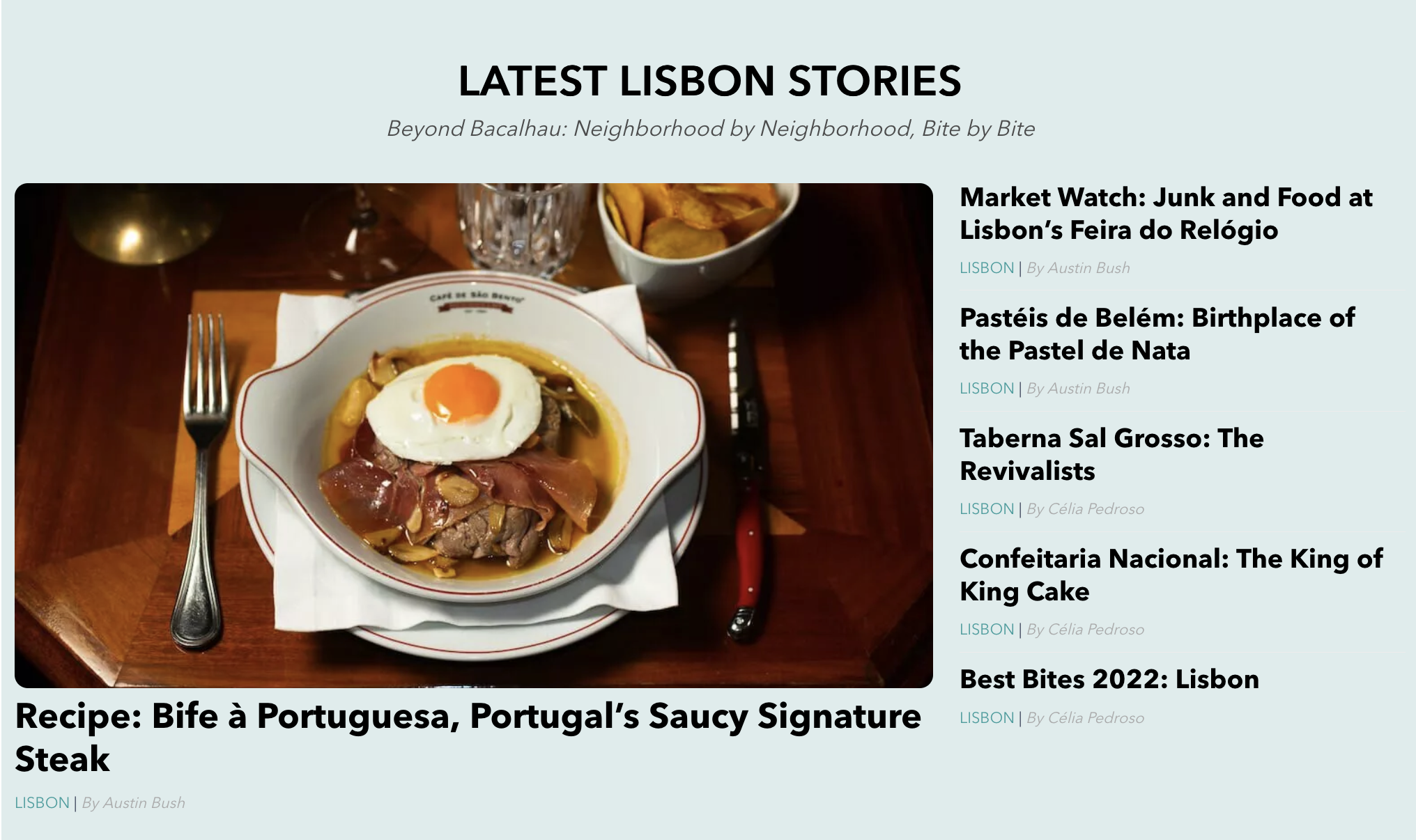
Photos & text: “Recipe: Caril de Frango, the dish that Unites India, Mozambique and Portugal,” Culinary Backstreets
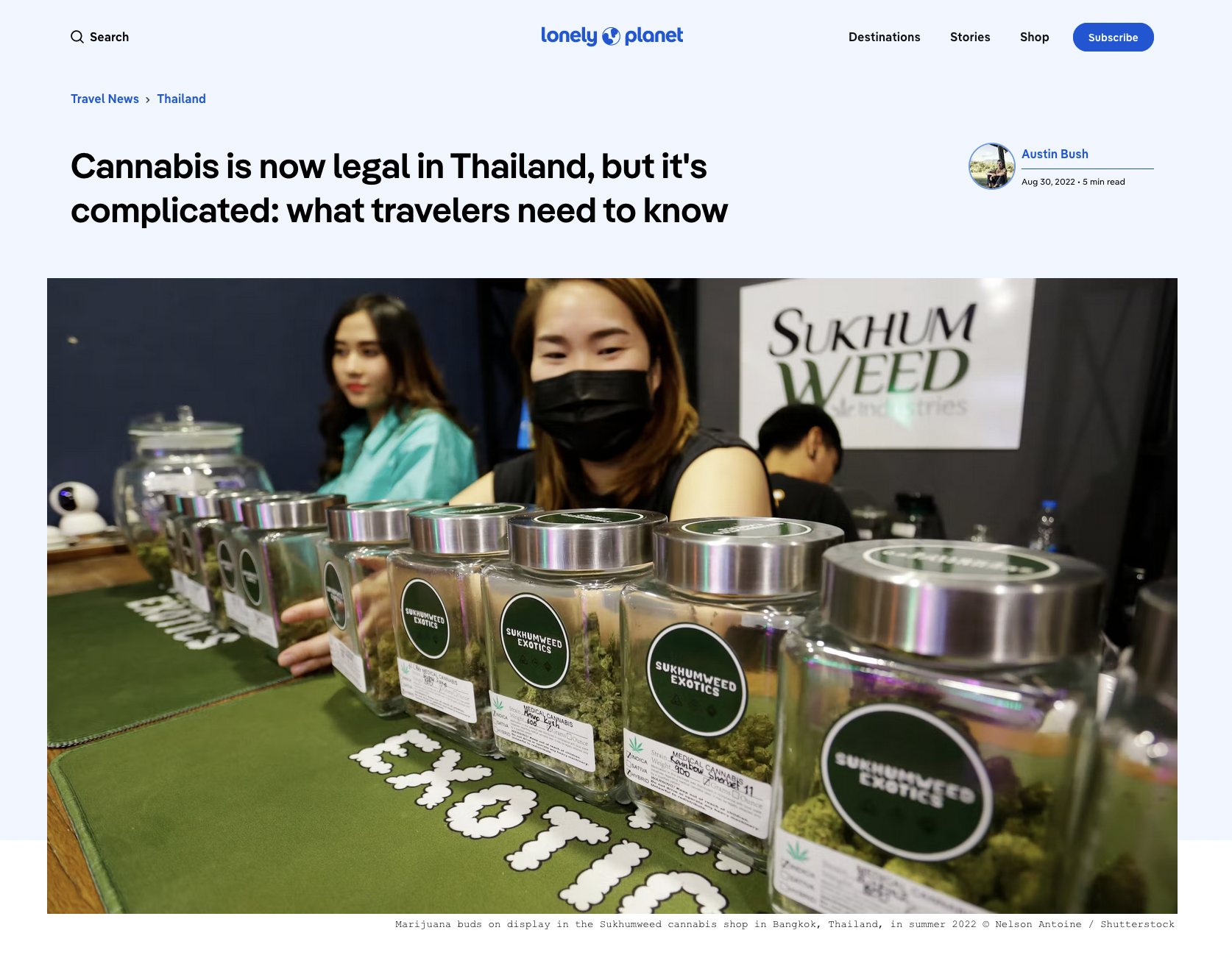
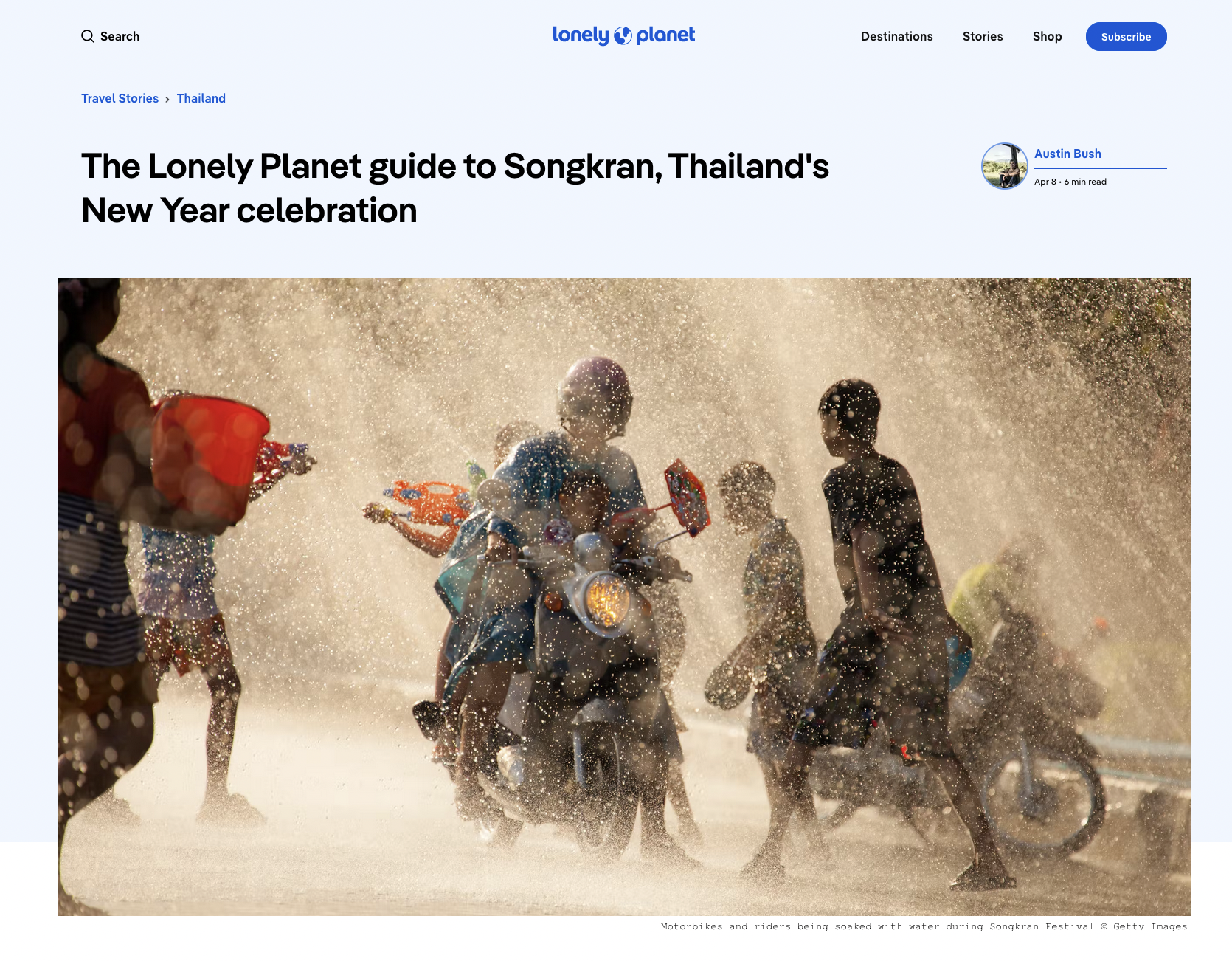
Text: “Cannabis is now legal in Thailand, but it's complicated: what travelers need to know,” Lonely Planet
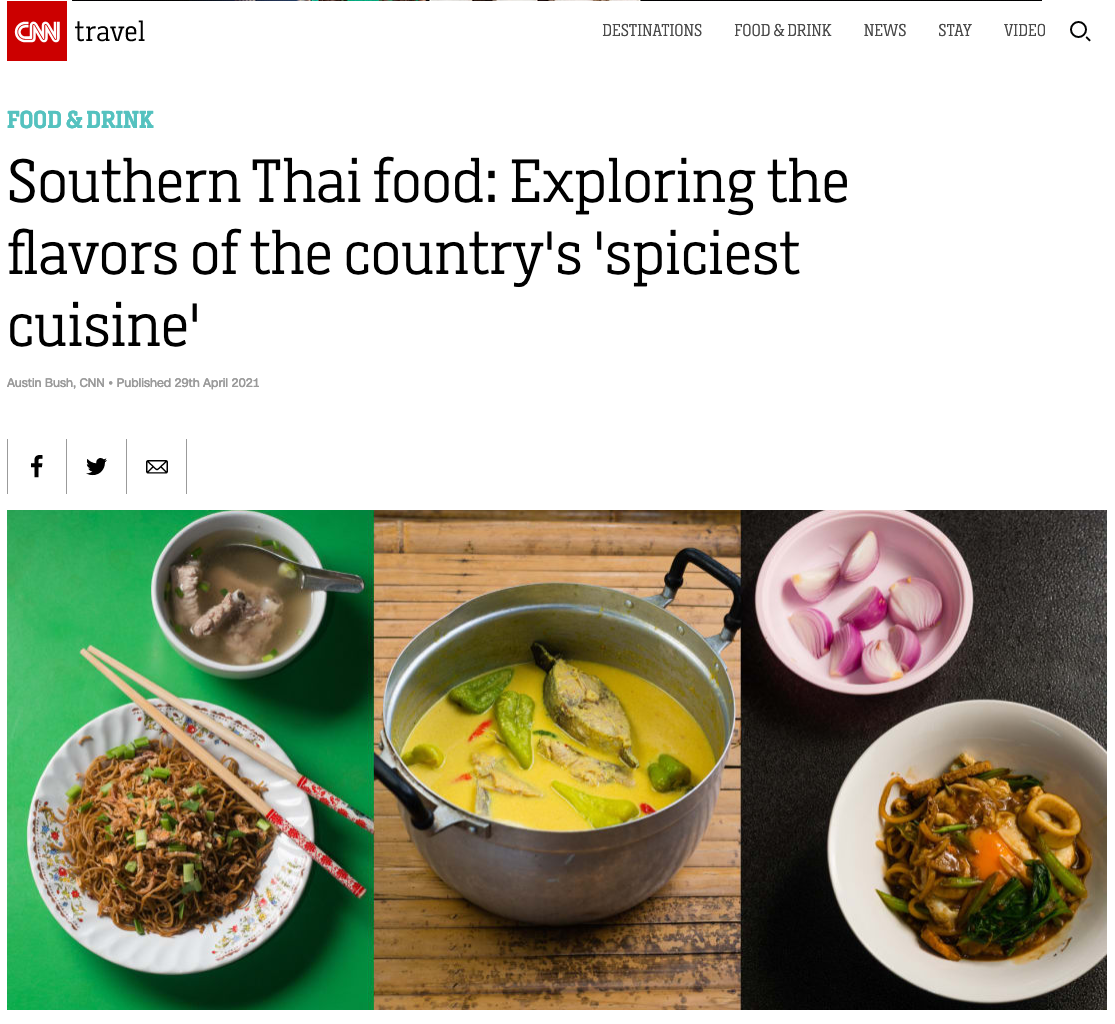
Photos & text: “Southern Thai food: Exploring the flavors of the country’s ‘spiciest cuisine,’ CNN Travel.
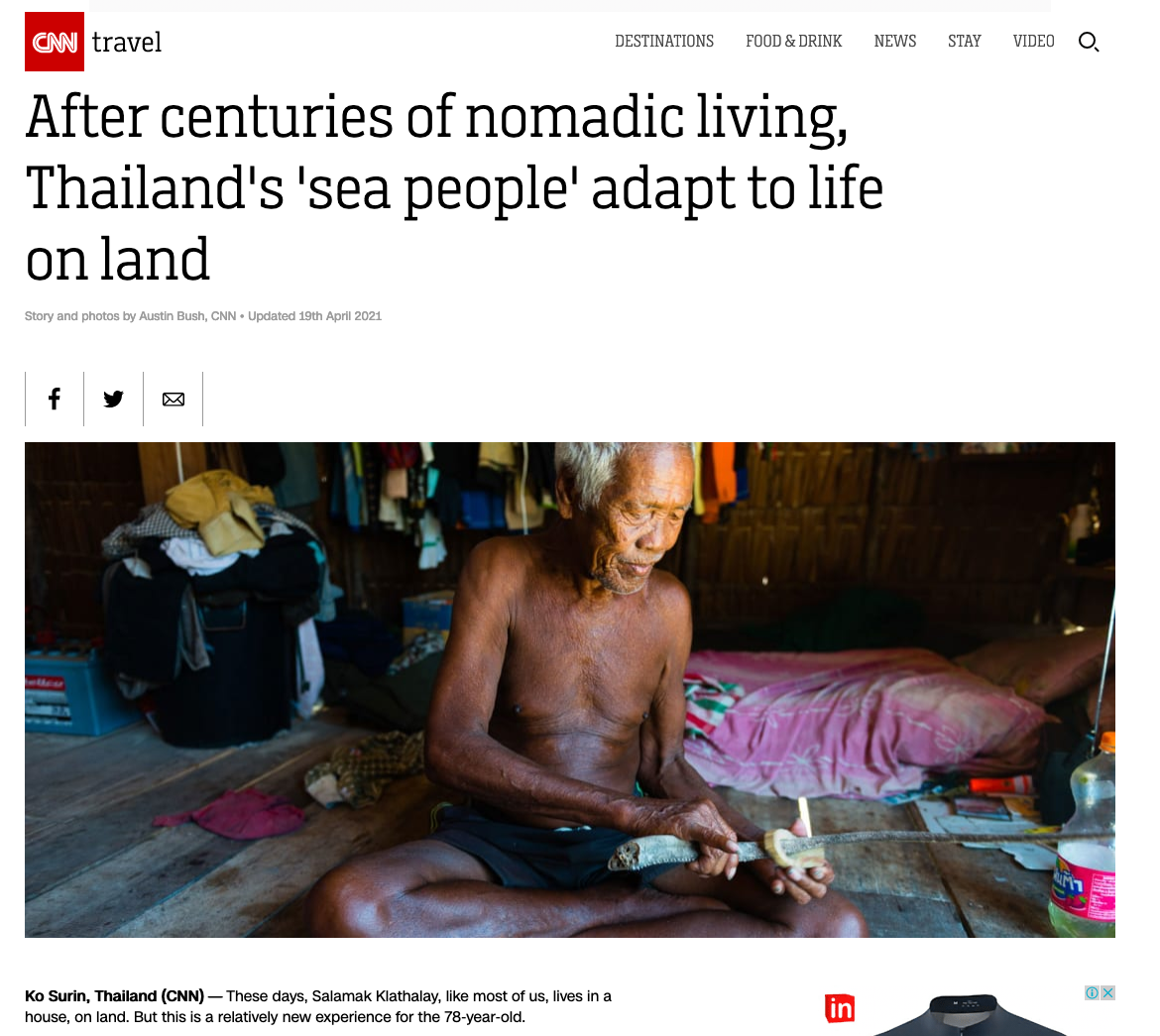
Photos & text: “After centuries of nomadic living, Thailand's 'sea people' adapt to life on land,” CNN Travel
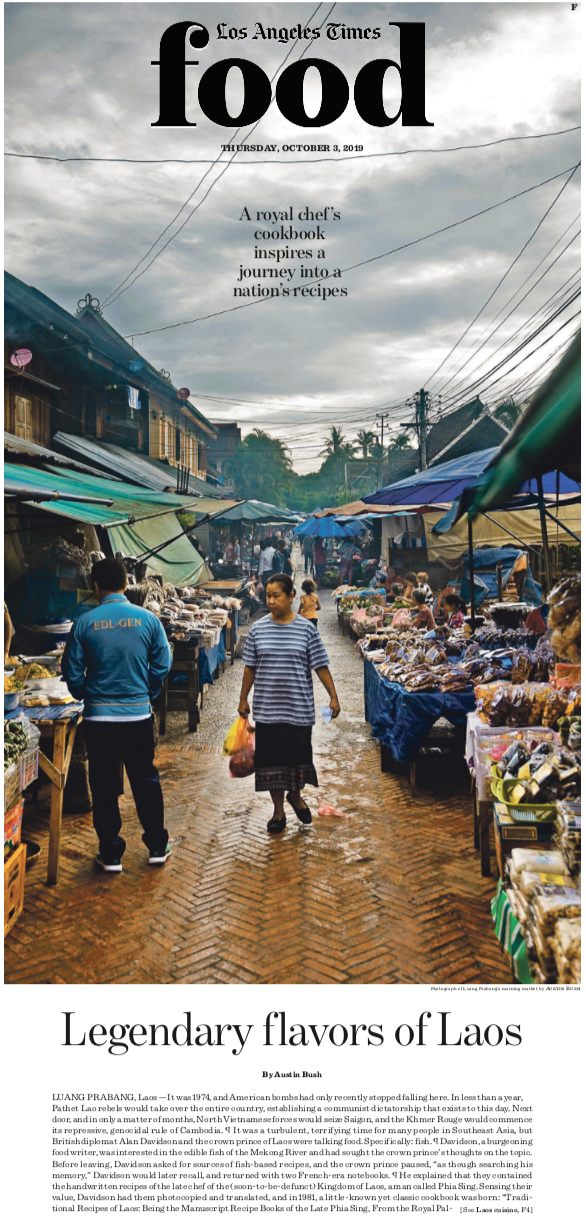
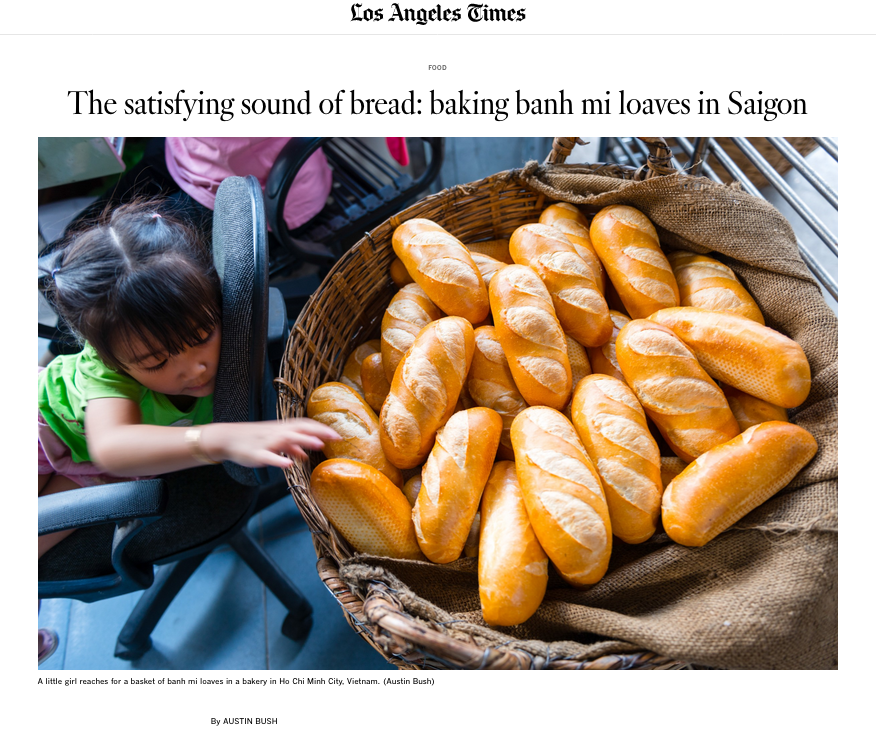
Text & photos: “The king ate sticky rice: Cooking, past and present, in Luang Prabang, Laos,” Los Angeles Times
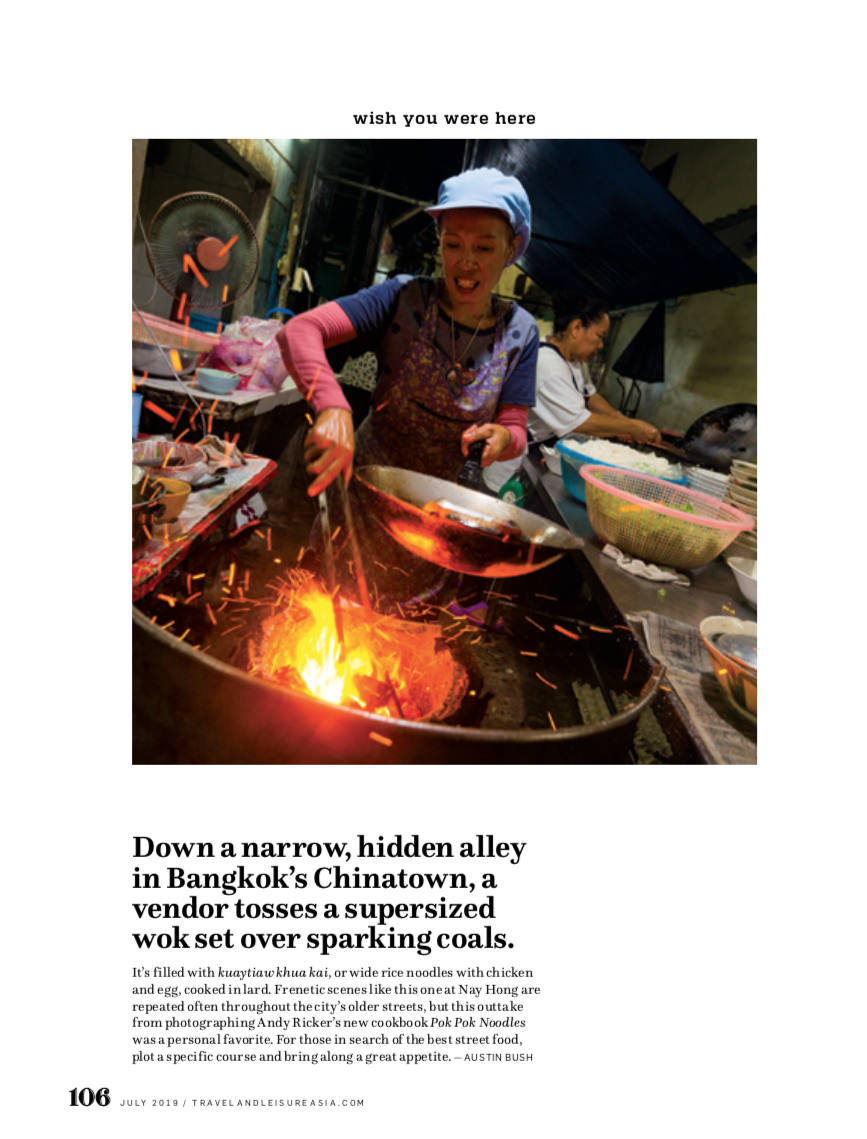
Text & photos: Travel + Leisure Southeast Asia
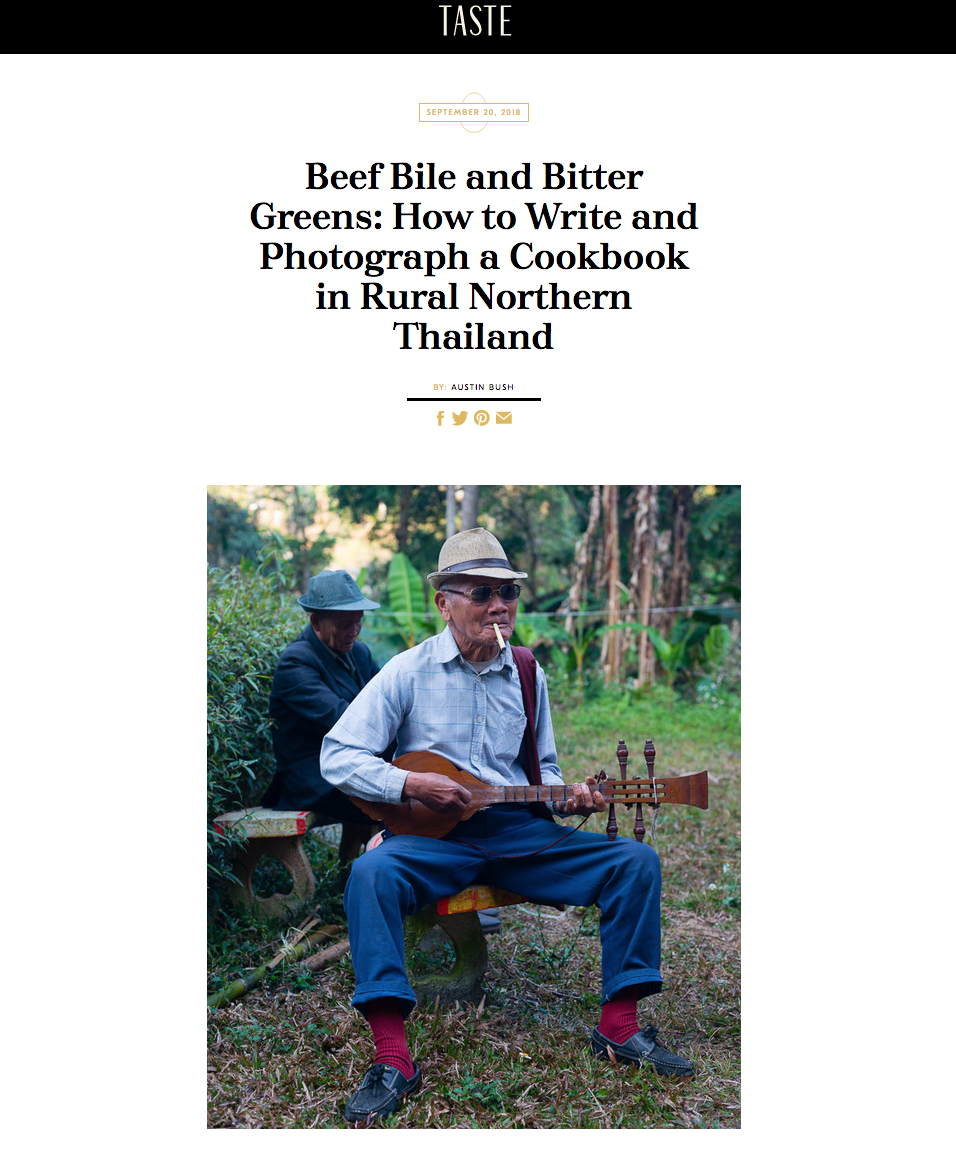
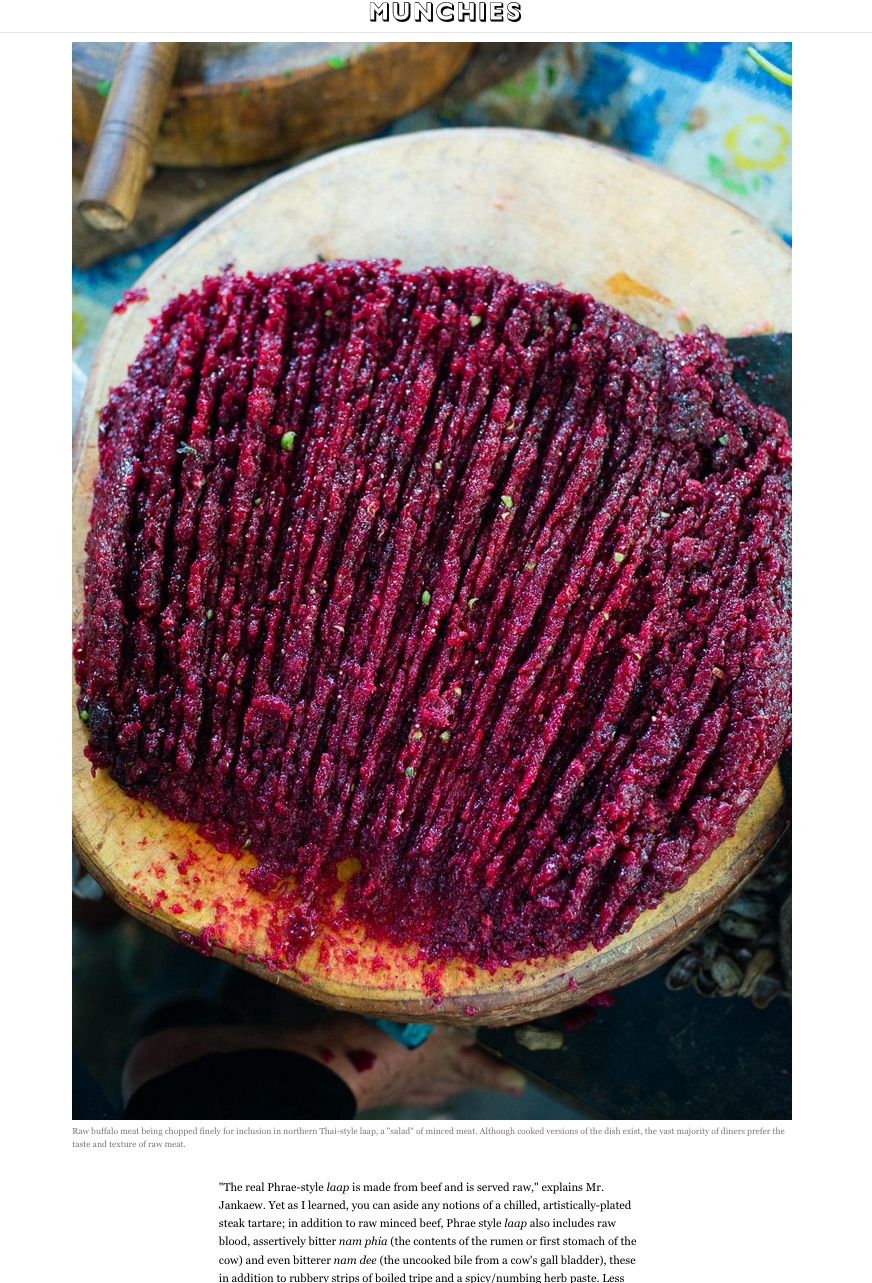
Text and photos: “Beef Bile and Bitter Greens: How to Write and Photograph a Cookbook in Rural Northern Thailand”, TASTE
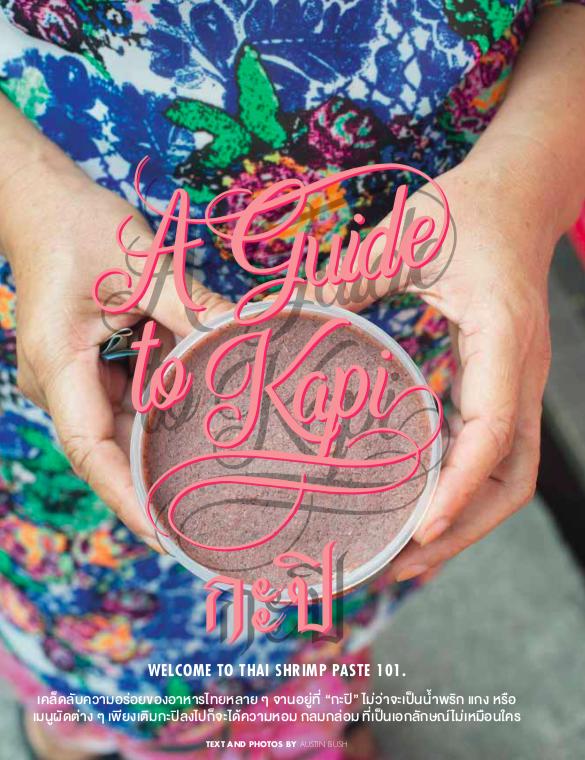
Text & photos: “A Guide to Kapi”, Kape + Kantary
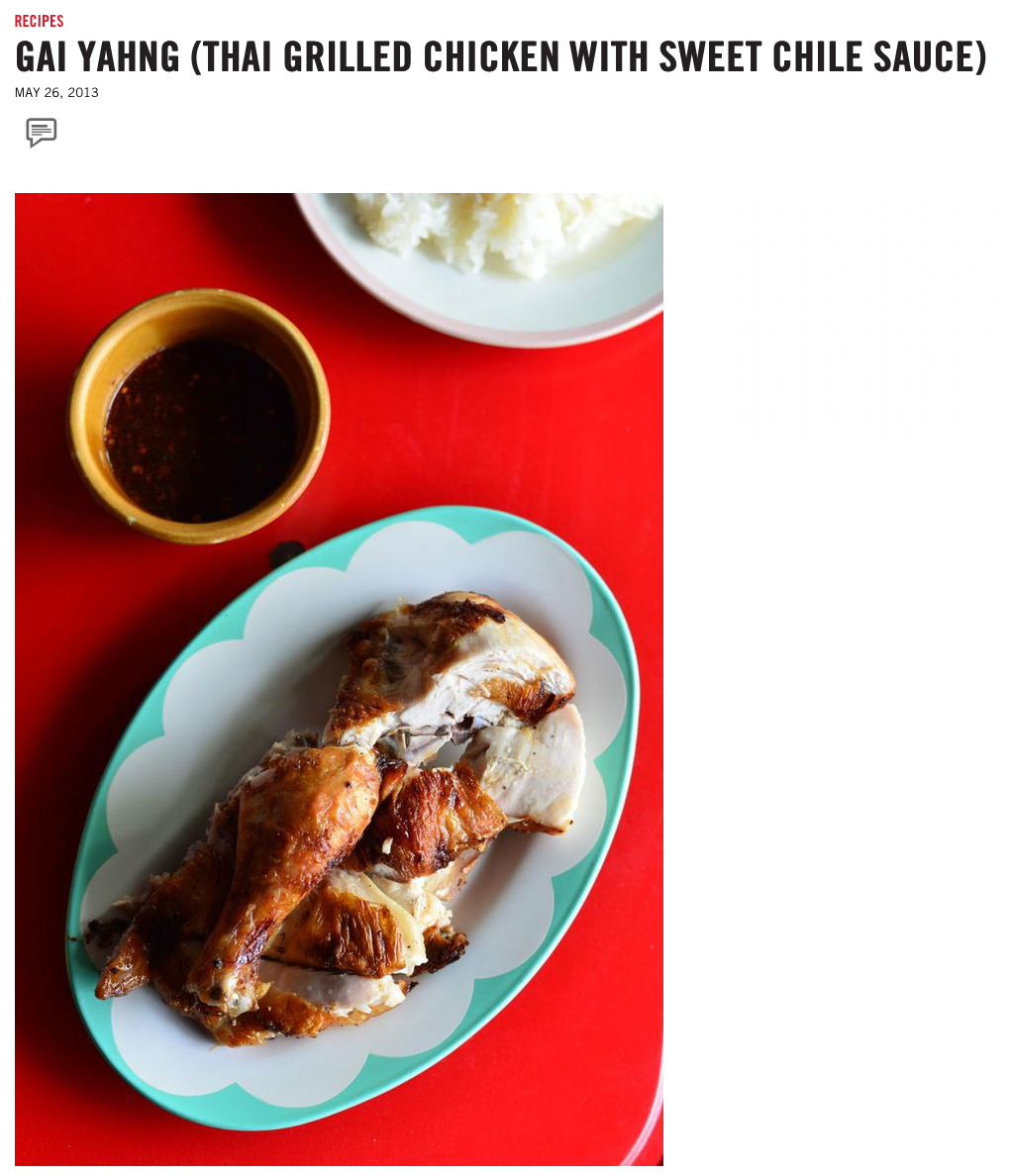
Photos: "Best Bird", Saveur.
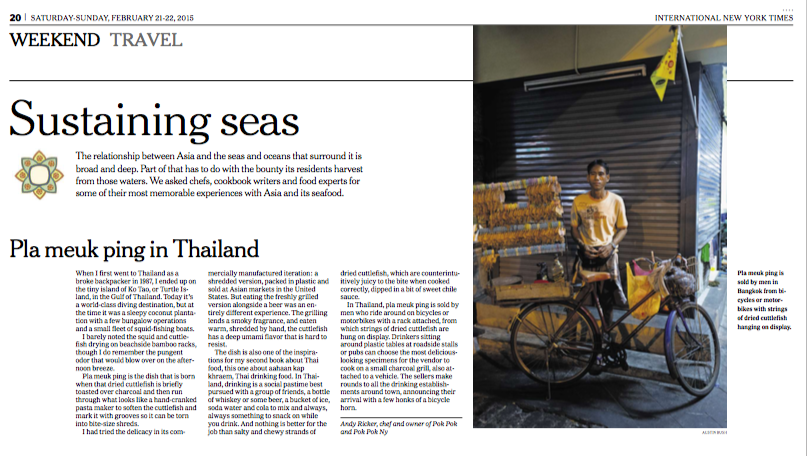
Photo: "Plaa meuk ping in Thailand", New York Times.
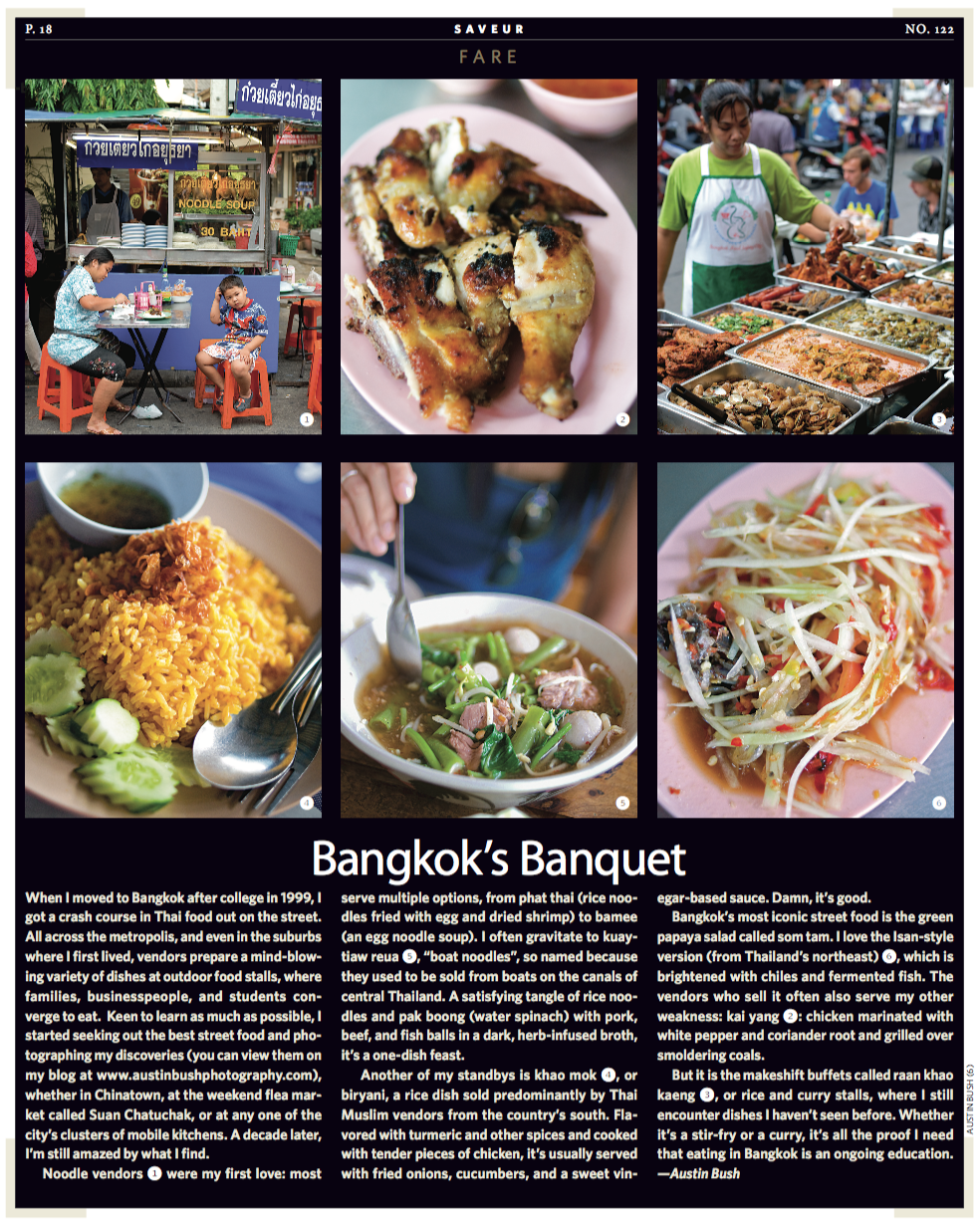
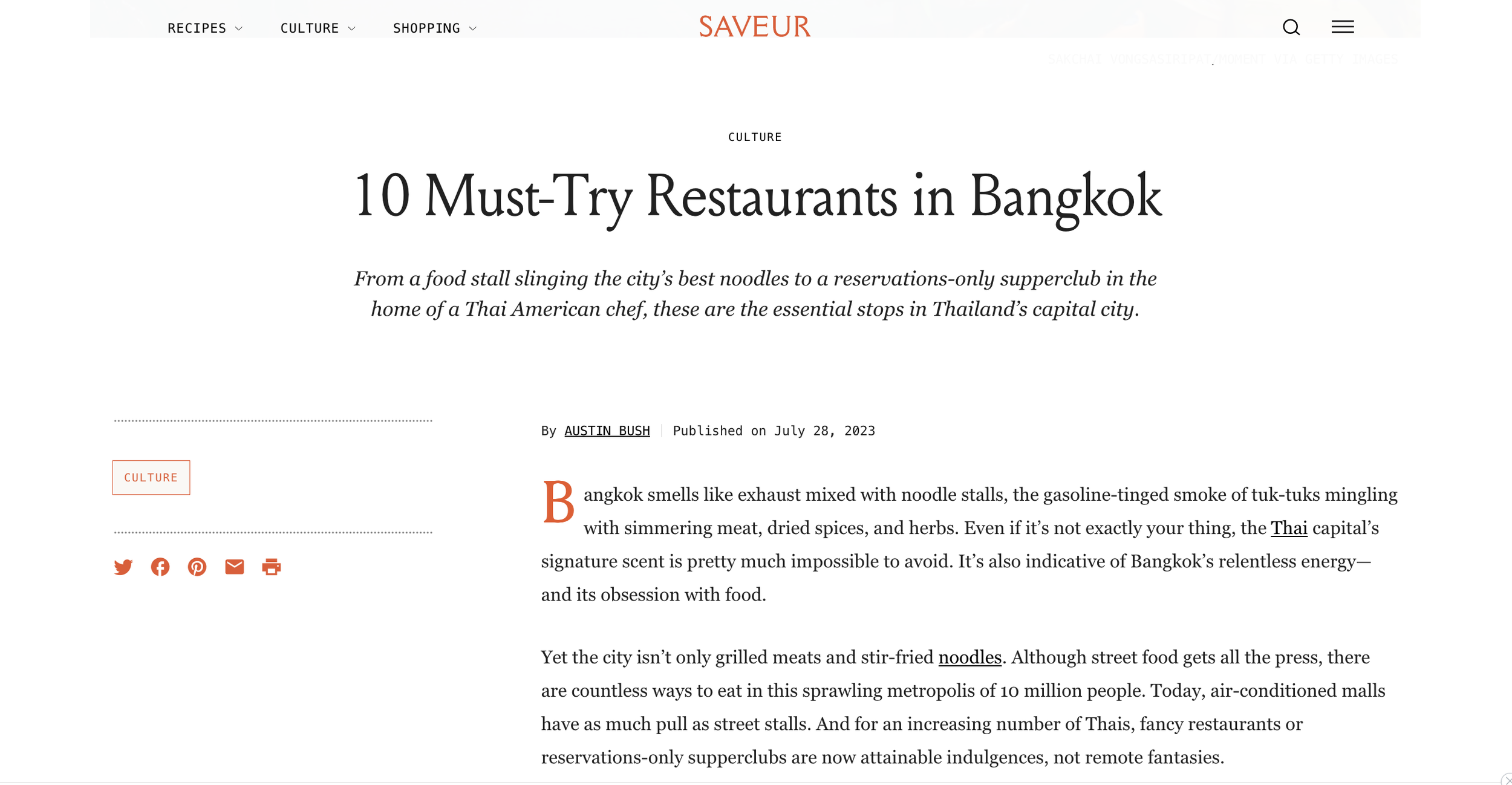
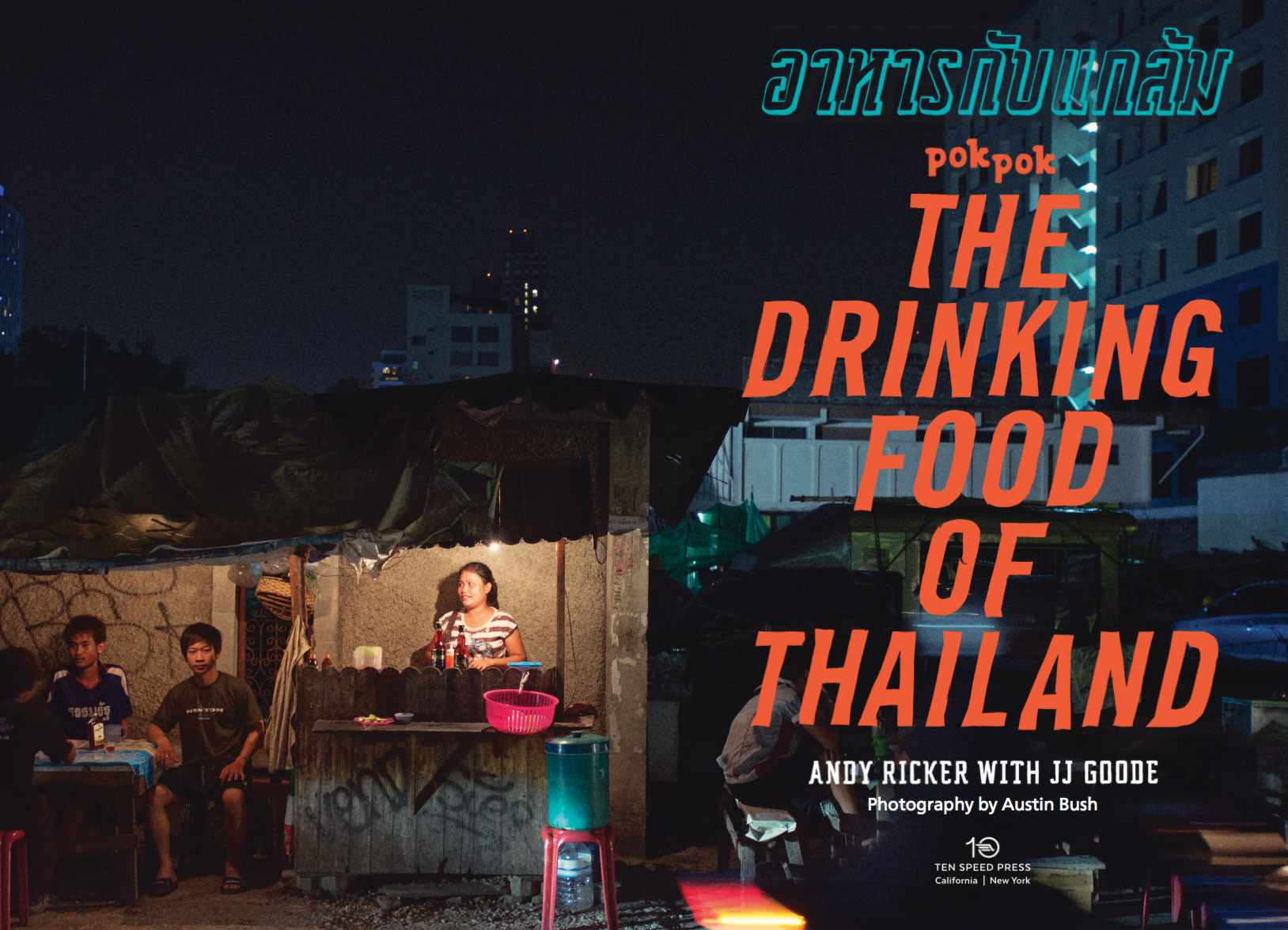
Photos and text: "Bangkok's Banquet", Saveur.
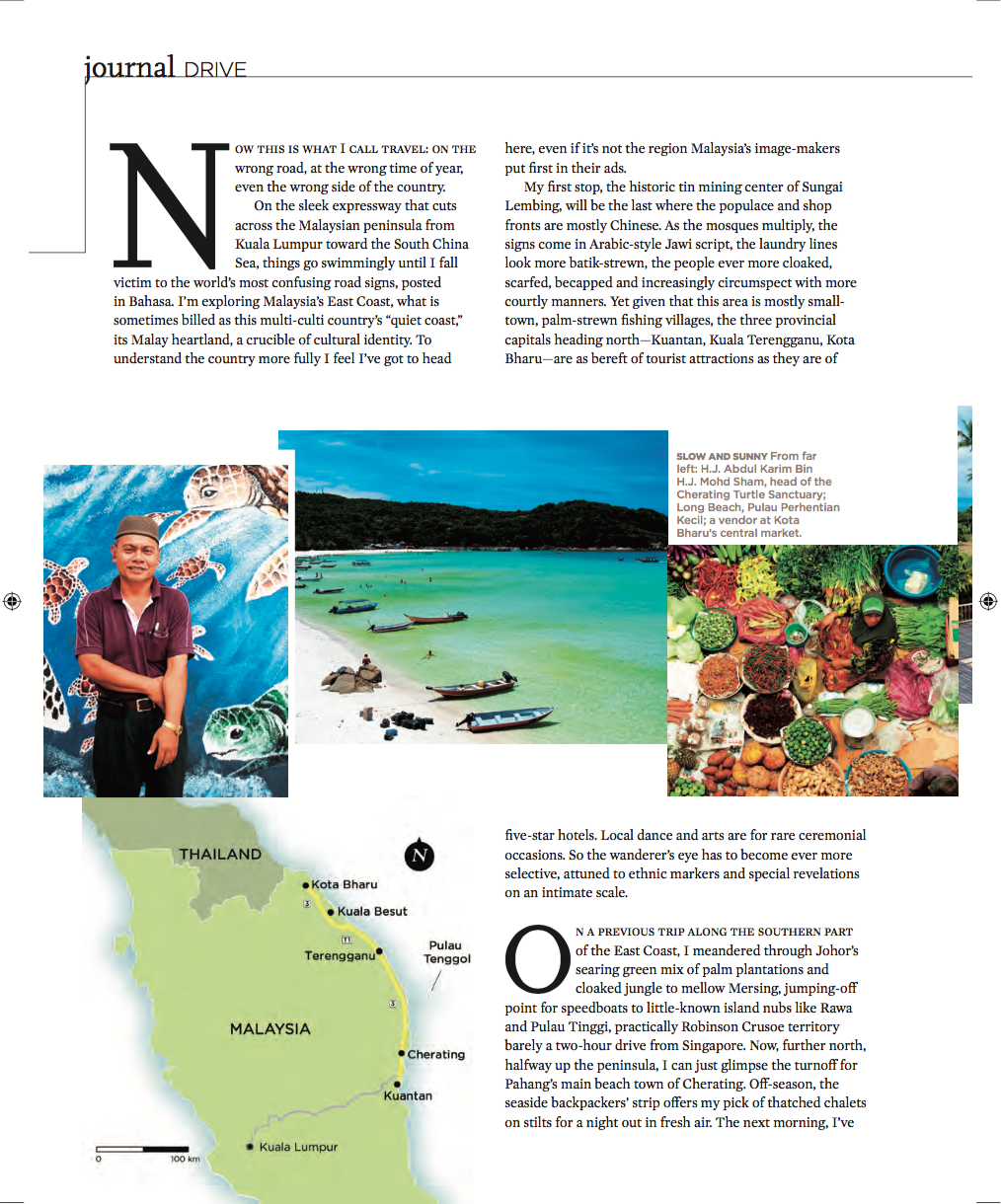
Photos: "Quiet Coasting", travel + leisure.
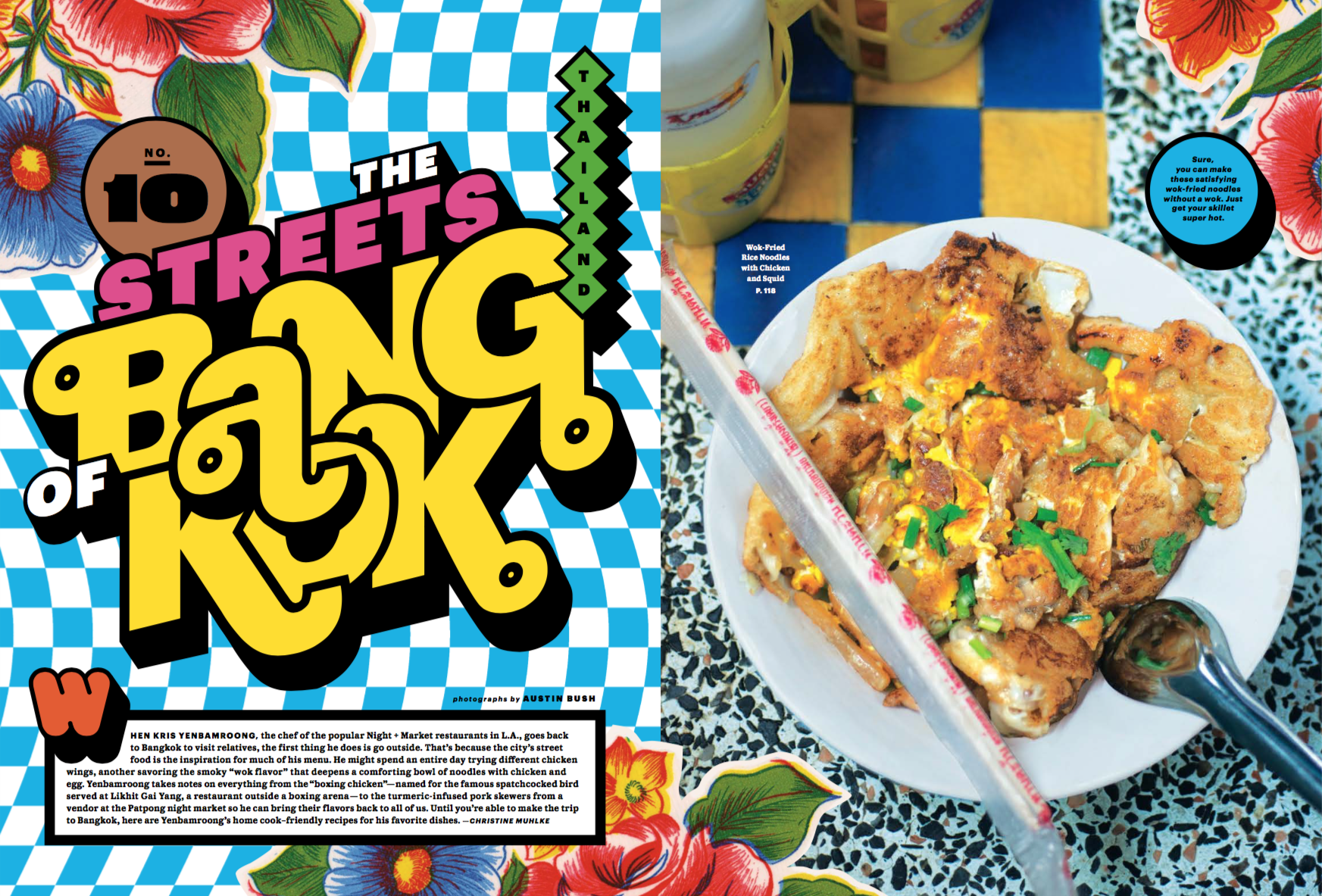
Photos: "The Streets of Bangkok", bon appétit.